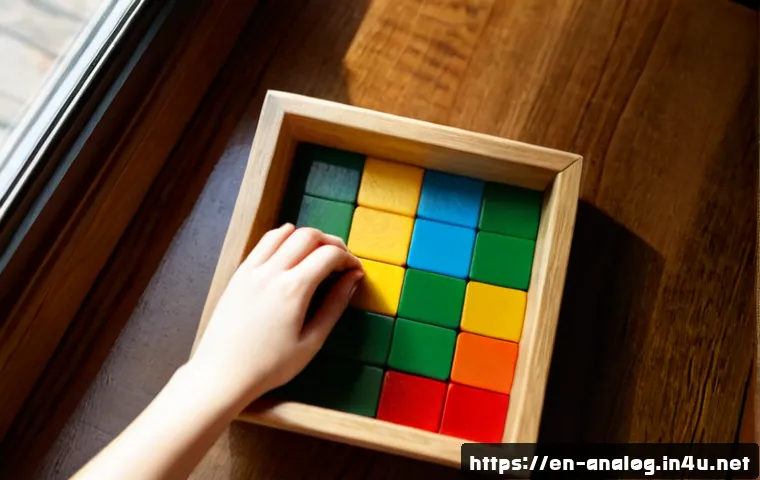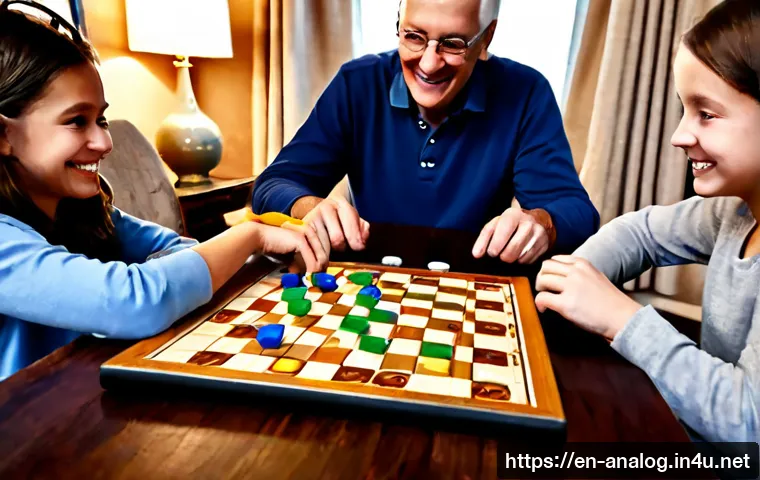
Tabletop games are growing in popularity because they give people a simple way to spend time together without screens. Buying one is worthwhile when the game fits your group’s size, attention span, and interest in replaying it.
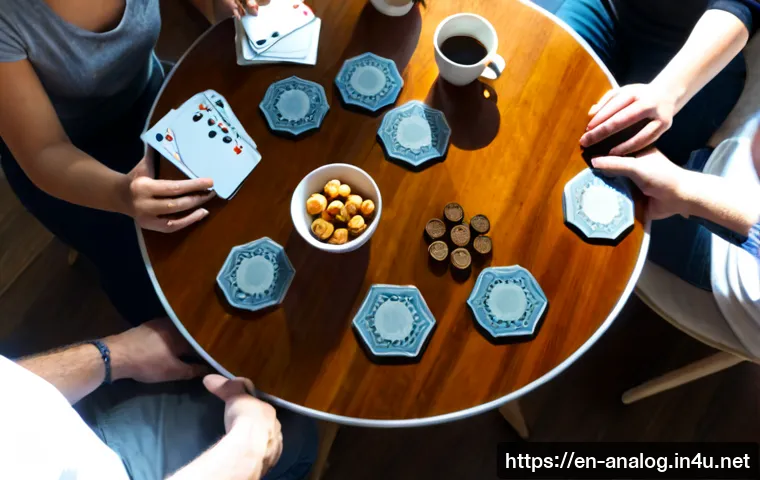
Many people enjoy the clear structure of a game night: set up, play, finish, and talk about what happened. There are options for a quick party, a quiet date night, a family routine, or a strategy-focused hobby group.
Before comparing board game prices or accessories, focus on the experience you want rather than the most talked-about title. A modest game that gets played often can be a better purchase than a complex box that stays on the shelf.
At a Glance
- Tabletop games create face-to-face time with a clear start and finish, making them easy to fit into an evening.
- The best value is not always the lowest board game price; it is the game your group will comfortably play again.
- Choose by group size, learning effort, play time, and possible extras before buying expansions or accessories.
| Game Format | Best For | Typical Budget Level | Time Commitment | Buying Consideration |
|---|---|---|---|---|
| Party and social games | Casual gatherings and mixed experience levels | Often lower to moderate | Usually short and flexible | Check whether the humor, discussion, or guessing style suits the group. |
| Family board games and card games | Households, new players, and gift giving | Often lower to moderate | Short to medium | Look for clear rules and a player count that matches the household. |
| Cooperative games | Groups that prefer solving a problem together | Moderate | Medium, sometimes longer | Consider whether one experienced player may end up directing everyone else. |
| Strategy and campaign games | Regular hobby groups | Moderate to higher | Often longer, with more setup | Check storage needs, rules, and whether the same people can meet regularly. |
| Collectible formats | Players who enjoy deck building and ongoing collecting | Varies widely | Flexible, but may become ongoing | Set a spending limit before buying packs, singles, or upgrades. |
Why Screen-Free Tabletop Play Is Attracting More People
Tabletop play offers something many forms of entertainment do not: people share the same rules, the same table, and the same moment. It can be social without requiring a big event, technical setup, or a long-term commitment.
Face-to-Face Connection and Shared Routines
A board game night can become a repeatable routine for roommates, families, couples, or friends. The point is not always competition. People may enjoy conversation, shared problem-solving, and the small rituals around choosing a game, teaching it, and packing it away. For groups that spend much of the day online, screen-free entertainment can feel refreshingly direct.
Flexible Entertainment for Homes, Cafés, and Social Gatherings
Many games work in a living room, at a kitchen table, or during a low-key gathering. A local board game café or game venue can also be useful when you want to try different formats without committing to a purchase. Check the venue’s current game library, table policy, event schedule, and membership conditions directly before visiting.
The Appeal of Games With Clear Beginnings and Endings
Unlike entertainment that can continue indefinitely, a tabletop game usually has a defined ending. That makes it easier to plan around dinner, guests, or a limited evening. Still, do not assume every box fits a quick session. Setup time and rule explanation time can matter as much as the play time itself.
The Main Types of Tabletop Games and What They Offer
There is no universally best format. A good choice depends on what your group finds comfortable: lively conversation, simple turns, teamwork, careful planning, or an ongoing hobby.
Party and Social Deduction Games
Party games often focus on prompts, drawing, guessing, wordplay, bluffing, or conversation. Social deduction games add hidden roles and suspicion, which can be exciting for the right crowd but uncomfortable for people who dislike being put on the spot. Choose these when the goal is energy and interaction rather than deep strategy.
Family Board Games and Accessible Card Games
Family games and accessible card games are often strong starter game recommendations because they tend to be easier to explain and easier to bring out again. Look for simple turn structure, readable components, and rules that do not depend on one person remembering exceptions. A game that younger and older players can follow is often a more useful household purchase than a more advanced title.
Cooperative, Strategy, and Campaign-Style Games
Cooperative games let players work toward a shared outcome, which can reduce the pressure of direct competition. Strategy games reward planning and may appeal to groups that enjoy revisiting the same system. Campaign-style games can provide continuity across sessions, but they work best when the same group is likely to return. Consider storage, table space, and the commitment needed before treating a larger hobby game as a casual purchase.
Compare Value Before You Buy: Price, Play Time, and Replayability
A game’s value comes from use, not from its box size or online popularity. Compare the total experience: who can play, how easily it starts, whether it remains interesting, and what additional purchases may be needed.
A Quick Comparison Table by Game Format
The table above is a starting point, not a pricing guide. Board game prices, stock, and local availability change by retailer and region. When comparing listings, look beyond the initial cost and ask whether the game will suit your actual group.
When a Lower-Priced Game Offers Better Value
A small card game can be excellent value if it comes out often, travels easily, and works with the people you see most. A larger strategy game may offer substantial replay value too, but only if your group enjoys the learning curve and has enough time. Frequency of play is a more practical measure than trying to judge value from price alone.
Extra Costs to Consider: Expansions, Sleeves, Storage, and Accessories
Some games work perfectly from the base box. Others invite optional expansions, card sleeves, organizers, playmats, dice, or replacement storage solutions. These tabletop accessories can improve convenience, but they are not automatically necessary. For collectible games especially, decide in advance what you are comfortable spending on ongoing purchases.
Common Buying Mistakes That Make Game Night Less Fun
Most disappointing purchases are not bad games. They are mismatched games: too demanding for the group, too slow for the occasion, or too dependent on players who are not available.
Choosing Complexity Over Group Fit
A highly praised strategy game may not be the right first game for people who want a relaxed evening. If new players need a long explanation before making their first decision, enthusiasm can fade early. Start with a format that makes people want another round, then move toward more involved games later.
Ignoring Player Count, Setup Time, and Rule Explanation Time
Check the supported player count, but also think about how the game feels at your usual number of players. A game may technically allow a larger group while becoming slower or less engaging. Consider whether you have room to set it up and whether someone is happy to learn and explain the rules.

Buying Collectible Formats Without Setting a Spending Limit
Collectible card and miniature-focused formats can be enjoyable hobbies, but the spending pattern can differ from buying a self-contained board game. Decide whether you want a fixed purchase, occasional additions, or active collecting. A clear limit helps keep a fun hobby from becoming an unplanned expense.
Which Tabletop Game Format Fits Your Situation?
Start with the situation, then narrow down the format. This approach is more reliable than choosing only by theme, ratings, or what is currently popular.
Low-Pressure Options for New Players
For beginners, choose accessible card games, light family games, or simple cooperative games. Favor games with quick turns and visible choices. Avoid making a first session feel like a test of memory or strategy.
Fast Choices for Parties and Casual Gatherings
For a party, select games that can handle conversation, late arrivals, and varied experience levels. Party and social games are often useful because the rules can be explained quickly. If your group dislikes bluffing or public performance, choose a lighter guessing or team-based format instead.
Deeper Options for Regular Hobby Groups
Regular groups may enjoy strategy games, cooperative challenges, or campaign games because they can invest time in learning systems together. Before buying, confirm that the likely players want the same level of depth. A game that requires recurring sessions is best bought for a consistent group, not a vague future plan.
Gift-Buying Considerations for Households and Friends
A tabletop game can be a thoughtful gift when it matches the recipient’s social setting. Consider how many people they usually play with, whether they have younger players at home, and how much shelf space they have. If you are unsure, a flexible, approachable game is usually safer than a highly specialized hobby title.
Choosing the Right Game: Cost, Group Size, and Replay Value
Before purchasing, check these practical points: Who will play? How many players are typical? How long can they realistically stay engaged? Can someone teach the rules without stress? Does the base game feel complete, or are you likely to want expansions? Finally, ask whether the game will be played often enough to justify its cost and storage space. For current board game prices, rental terms, starter sets, and accessory compatibility, review the product details or venue information on the relevant page.
A Practical Pre-Purchase Checklist
Match the game to your usual player count, not an occasional ideal group. Check the expected learning effort, setup needs, replay value, and total cost including any accessories you truly need. If any one factor feels uncertain, pause before buying.
When to Borrow, Visit a Board Game Café, or Buy Used First
Borrowing a game, joining a local game night, or visiting a board game café can reduce uncertainty. Used copies may also be worth considering if you can verify that essential components are included and the condition meets your needs. These options are especially helpful for complex or campaign-style games.
How to Build a Small Collection Without Overspending
A balanced small collection might cover different occasions rather than duplicate the same experience: one easy social game, one flexible family or card game, and one deeper option for interested players. Add games only after you know what your group repeatedly enjoys.
Final Thoughts
The popularity of tabletop games is easy to understand: they make it easier to gather, focus on one shared activity, and finish an evening with a memorable result. The right purchase does not need to be the biggest, newest, or most complex option. It needs to fit the people around your table. Start with a game that feels easy to invite others into, then expand your collection based on real play habits.
Useful Things to Know
1. A game’s listed player count is only a starting point; think about your usual group size.
2. Rule teaching and setup can affect the experience more than the printed play time.
3. Expansions and accessories are optional unless the base game specifically requires them.
4. Rental, café, and used-game options can help you test a format before committing.
Important Notes
Enjoyment is personal, and no specific tabletop game will work equally well for every family, friend group, or hobby group. Current prices, stock availability, venue events, memberships, and retailer terms should be checked directly. Market size, growth rates, and regional demand can also vary and require current verified data.
Frequently Asked Questions
Q1. Why are tabletop games becoming more popular than digital games for some people?
A1. Some people value the face-to-face conversation, shared attention, and screen-free routine that tabletop games can offer. They also provide a clear activity with a beginning and ending, which can suit a planned social evening.
Q2. How much should a beginner spend on a board game?
A2. There is no single correct amount. A beginner should focus on a game that fits their group and is easy to bring to the table again. Compare the total cost, likely frequency of play, and whether optional accessories or expansions are likely to add to the budget.
Q3. What type of tabletop game is best for adults who do not usually play games?
A3. Accessible card games, light party games, and straightforward cooperative games are often good starting points. Look for clear rules, short turns, and a low-pressure atmosphere rather than a game built around advanced strategy or lengthy setup.