Choose a reusable card- or scenario-based puzzle game if repeat play matters most, a mechanical brain teaser for compact solo focus, and a cooperative format for shared family time.
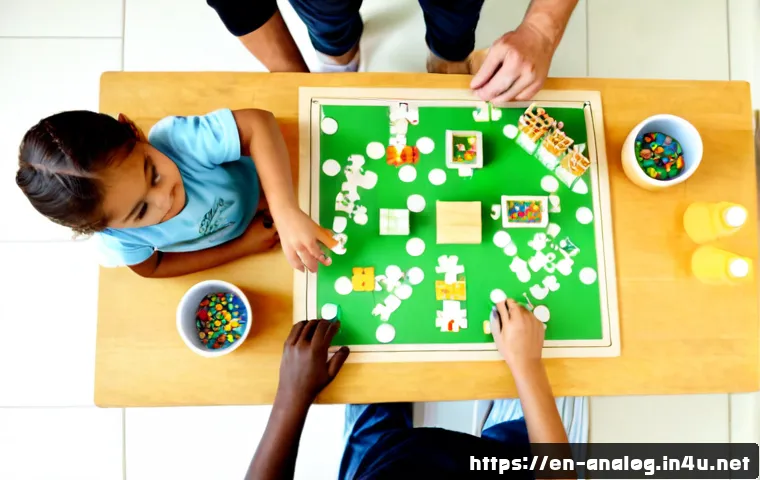
For a gift, prioritize clear instructions, solid components, and a difficulty level that will not overwhelm the recipient. Analog puzzle games range from quiet one-person challenges to table-based group activities, so the box format matters more than novelty alone.
Before comparing prices, consider how often it can be reused, how much space it needs, and whether the intended players enjoy sustained challenge. A lower-budget puzzle can be the better value when it is easy to set up and likely to be used often.
A premium physical puzzle game may be worth considering when material quality, tactile components, or expandable challenges match the buyer’s needs.
Quick Overview
- Solo focus: Mechanical puzzles and logic challenges suit compact, screen-free problem solving.
- Shared play: Cooperative escape-style and deduction games can work well for families or small groups.
- Repeat value: Check for multiple cases, challenge cards, or expandable content instead of assuming every format is reusable.
| Format | Typical Players | Replay Potential | Storage and Space | Budget Consideration |
|---|---|---|---|---|
| Logic and deduction puzzles | Usually solo, sometimes shared | Varies by puzzle book, cards, or cases | Often compact | Compare challenge variety with intended frequency of use |
| Mechanical brain teasers | Usually solo | Often limited after the solution is known | Small and portable | Material quality and moving parts can affect value |
| Jigsaw puzzles | Solo or cooperative | Often lower after completion | May need substantial table space | Consider piece handling, image appeal, and storage |
| Escape-style and scenario games | Solo or cooperative group | Depends on cases and reset options | Needs a clear setup area | Compare the number of playable scenarios, not the category name |
The Quick Answer: Choose the Puzzle Format Before Choosing the Box
The most useful starting point is simple: decide how the puzzle will be played. A person who wants a calm activity between errands needs something different from a family planning a weekend table activity. Format also affects portability, component durability, setup time, and whether the game is likely to return to the shelf after one session.
Do not begin with the most elaborate-looking box. Begin with the player count, available surface space, and tolerance for difficult problems. Those practical limits usually determine whether a physical puzzle game feels satisfying or frustrating.
Best Fit for Solo Focus, Shared Play, and Gifting
For solo play, compact logic puzzles, puzzle cards, and tactile brain teasers are natural choices. They can be easier to bring along and may not require a full dining table. For shared play, look at cooperative deduction games, escape-room-style puzzles, or jigsaws that let several people contribute at once.
For gifts, choose a format with a clear purpose. A mechanical puzzle can suit someone who enjoys handling objects and testing solutions. A scenario-based game may suit a recipient who likes stories, clues, and repeatable challenges. If you do not know their experience level, clear instructions and a manageable setup are safer priorities than an extreme difficulty label.
The Three Factors That Matter Most: Challenge, Replayability, and Setup
Challenge should feel engaging rather than punishing. Since difficulty labels are not standardized across publishers or puzzle types, read the product description for the style of reasoning involved. Replayability depends on the individual product: a fixed-solution item may be enjoyable once, while card-based challenges or multiple cases may support more sessions. Setup includes sorting pieces, laying out cards, reading rules, and resetting components afterward.
A puzzle with impressive components is not automatically the best buy if it takes too long to start or does not fit the place where it will be used.
Compare Physical Puzzle Formats by Value and Difficulty
Value is not just about the purchase price. It is about whether the format matches the player’s habits, the available storage, and the number of sessions it can reasonably provide. Compare physical puzzle games by their practical use, not by a promise of being the “best.”
Logic and Deduction Puzzles
Logic and deduction formats ask players to interpret clues, eliminate possibilities, or find a sequence. They can be suitable for quiet independent play, though some formats also support collaborative discussion. Puzzle cards and case-based sets may offer multiple challenges, which can make them appealing to buyers who want more than one session.
Check whether clues can be reset, whether answers are separated from the active puzzle, and whether the level range is explained clearly. A difficult deduction game may be rewarding for an experienced player but less suitable for a casual family activity.
Mechanical and Tactile Brain Teasers
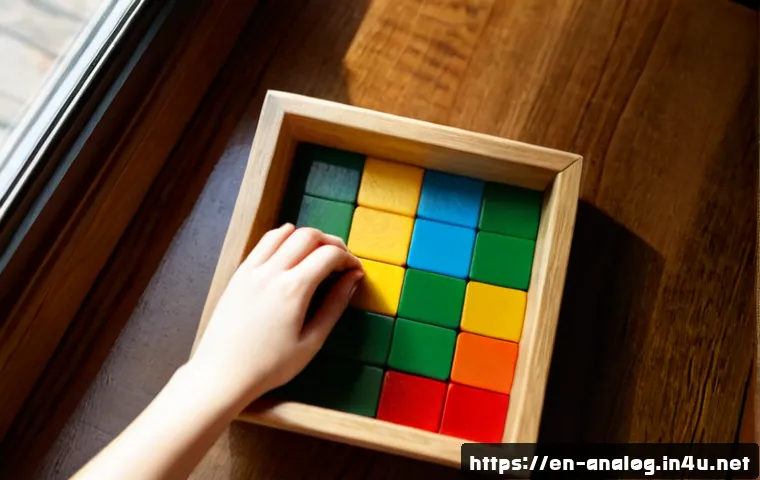
Mechanical puzzles use moving parts, shapes, locks, or assemblies. Their strength is their physical feel: they are often compact, displayable, and easy to bring on a trip. They can also be a straightforward gift option because the play goal is usually easy to understand.
However, many have a fixed solution. Once solved, the main challenge may be reduced unless the owner enjoys revisiting it or sharing it with others. Inspect descriptions for component material, moving mechanisms, and any small pieces that need secure storage.
Jigsaws, Escape-Style Games, and Puzzle Cards
Jigsaws can support solo relaxation or a cooperative session, but table space is a major buying factor. A larger puzzle may be enjoyable only if it can remain undisturbed between sessions. Escape-style games often create a shared objective and can fit a game night, but their reuse depends on the specific scenario structure and whether materials can be reset.
Puzzle cards can be convenient for travel or short sessions. Their value depends on the number and variety of challenges, how answers are handled, and whether players can return to them without already knowing every solution.
Comparison Table: Cost Range, Reuse Potential, Space, and Group Size
When comparing budget-friendly and premium puzzle options, use the earlier table as a starting point. A compact item with modest reuse may still be a smart purchase for travel. A larger scenario game may justify a higher budget only when its player count, component quality, and number of playable challenges fit the intended use.
What to Check Before Buying a Screen-Free Puzzle Game
A product page can tell you more than the theme or cover art. Look for details that affect everyday usability: difficulty guidance, component list, storage requirements, player count, and reset instructions.
Difficulty Ratings Versus Real Player Experience
Treat a difficulty rating as a guide, not a guarantee. One person may enjoy a complex visual puzzle while another prefers word-based deduction or hands-on manipulation. Consider the player’s patience, familiarity with puzzle conventions, and comfort with trial and error.
If a game is for mixed experience levels, choose one that lets people discuss clues together or work on separate tasks. A single bottleneck puzzle can leave less experienced players waiting rather than participating.
Material Quality, Piece Size, and Storage
Material quality matters most when a game includes cards handled repeatedly, moving parts, or pieces that must survive frequent setup. Also consider whether small components can be sorted, contained, and found easily after play.
Small-piece puzzles may not suit homes with young children or pets unless they can be stored securely. Check the box dimensions, storage method, and the table area needed before buying a larger physical puzzle game.
One-and-Done Solutions Versus Repeat-Play Formats
There is nothing wrong with a one-time puzzle. It can be ideal for a special evening, a gift exchange, or a personal challenge. The key is to buy it with the right expectation. If you want ongoing use, prioritize products that clearly describe multiple cases, challenge levels, card sets, or expandable formats.
Do not assume replay value from a category alone. A scenario-based game may still be designed for a limited number of sessions, while a simple challenge-card format may return to the table regularly.
Avoid Common Selection Mistakes
Most disappointing purchases are not caused by the puzzle being “bad.” They come from a mismatch between the product and the place, people, or time available for play.
Buying for the Wrong Number of Players
A solo mechanical puzzle may become a pass-around object at a party rather than a true group activity. Likewise, a cooperative deduction game may feel flat if one person solves every clue. Match the player count to the intended occasion, and check whether everyone can participate meaningfully.
Underestimating Setup Time or Table Space
A puzzle that needs sorting, laying out, or leaving unfinished can be impractical in a busy home. Before purchasing, think about where components will sit during play and whether they can be packed away without losing progress. Travel-friendly does not only mean small; it also means easy to set up and secure.
Choosing Novelty Over Clear Instructions and Usable Components
Unusual themes and striking materials can be appealing, but they should not replace readable instructions and functional components. For a first-time buyer, clear rules and a sensible storage system often matter more than decorative extras.
Match the Game to the Occasion
The right analog puzzle game changes with the setting. Select for the moment first, then compare features and budget level.
Quiet Solo Evenings and Travel
Choose a compact logic challenge, puzzle cards, or a mechanical brain teaser when you want minimal setup. Look for a format that fits the available bag space and does not depend on a large table. A secure container is especially useful when pieces are small.
Family Activities and Mixed-Skill Groups
Cooperative formats can help a group share clues and celebrate progress together. Jigsaws may also work well when participants prefer contributing at their own pace. Avoid relying on difficulty labels alone; consider whether the game gives beginners a clear way to help.
Gifts for Puzzle Enthusiasts and Casual Players
For enthusiasts, a well-made tactile puzzle or a multi-case deduction format can be appealing if it matches their preferred style of challenge. For casual players, select something with accessible instructions, reasonable setup, and a theme that fits the occasion. The recipient’s available space matters as much as their interest in puzzles.
Selection Criteria and Comparison Summary
Before comparing physical puzzle game prices, use this practical shortlist:
- Player fit: Is it intended for solo focus, cooperative play, or a competitive group?
- Challenge fit: Does the puzzle style match the player’s experience and patience?
- Reuse: Is it fixed-solution, multi-case, challenge-based, or expandable?
- Usability: Are setup time, table space, and storage realistic for the home or trip?
- Components: Do the materials and piece size suit repeated handling and secure storage?
Paying more may be worthwhile when better components, smoother moving parts, clearer organization, or additional playable challenges directly improve how often the game will be used. A simple lower-cost puzzle is often the better choice when you want a short activity, a travel option, or a one-time shared challenge. For final details, check the product page for component information, player guidance, and reset or replay conditions.
Final Thoughts
An analog puzzle game is most satisfying when its format fits the real setting in which it will be played. Choose a compact option for portability, a cooperative option for shared time, or a challenge-based format when repeat sessions matter. Focus on usable components, realistic difficulty, and storage before being swayed by theme alone. That approach makes it easier to find a screen-free activity that earns a place in regular use.
Useful Things to Know
1. Difficulty labels are not standardized, so compare the style of challenge as well as the stated level.
2. A larger box does not necessarily mean more replay value.
3. Storage and table space can determine whether a puzzle is used regularly.
4. Secure small pieces when young children or pets are present.
5. Multiple cases or challenge cards may offer more repeat-play potential, but product details should confirm this.
Important Considerations
Exact durability, difficulty, age suitability, and replay value depend on the specific product and publisher. Review the listed components, instructions, player guidance, and storage requirements before purchasing. No single analog puzzle format is best for every home, group, or budget.
Frequently Asked Questions
Q1. What type of analog puzzle game is best for adults who want a relaxing solo activity?
A1. Compact logic puzzles, puzzle cards, jigsaws, and mechanical brain teasers can all suit solo play. The best choice depends on whether the person finds relaxation in quiet visual work, clue solving, or hands-on manipulation. Choose a difficulty level that feels engaging without turning the session into frustration.
Q2. Are more expensive physical puzzle games always better for replay value?
A2. No. Replay value cannot be assumed from price or category. A higher-budget game may offer stronger materials or more elaborate components, while a simpler card-based format may provide more repeatable challenges. Check the number of cases, reset options, and challenge formats before deciding.
Q3. How do I choose a puzzle game that works for both beginners and experienced players?
A3. Look for cooperative formats with shared clues, multiple challenge levels, or tasks that let different players contribute. Clear instructions and manageable setup are helpful. Also consider whether experienced players can guide the group without solving every part alone.