Hey everyone! In a world that often feels overwhelmingly digital, where our screens demand constant attention, there’s been this amazing, quiet revolution happening right under our noses.
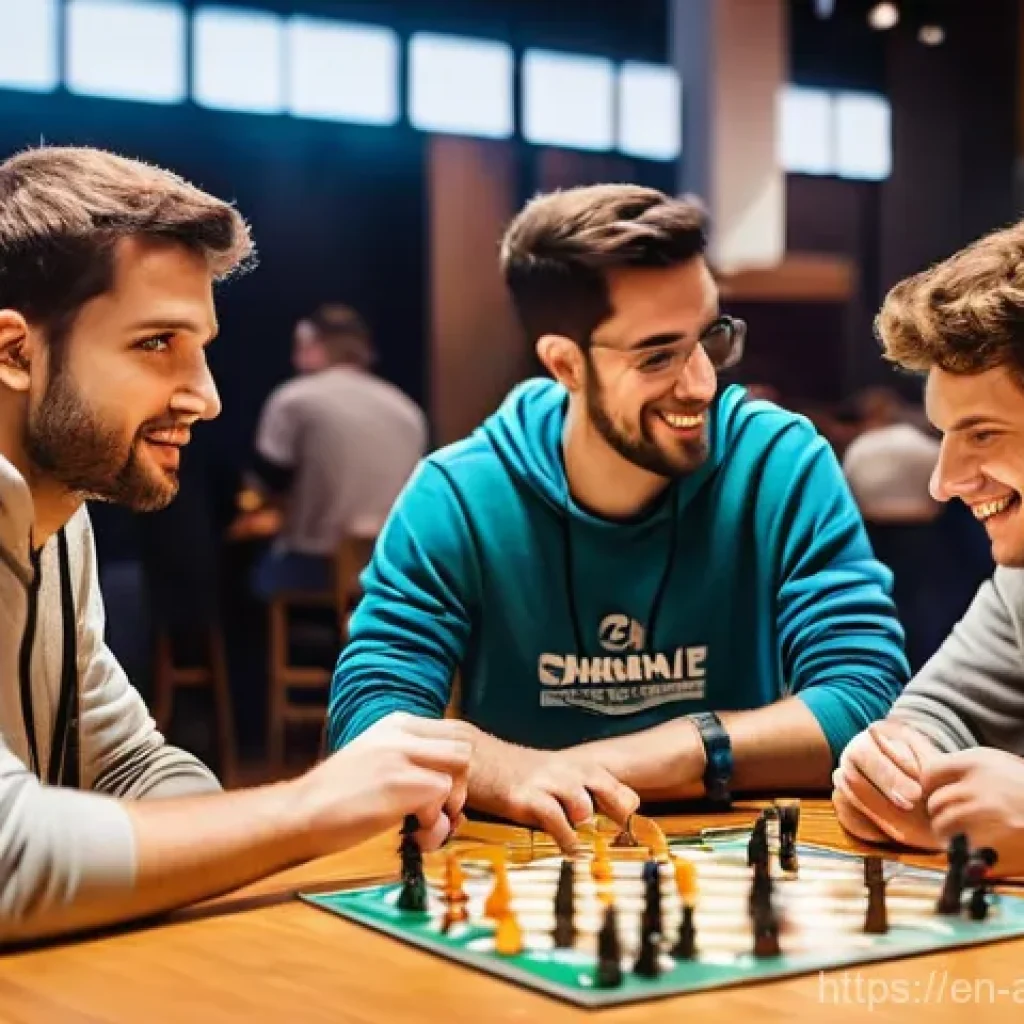
It’s a return to something tangible, something communal, something wonderfully, refreshingly *real*. I’ve personally found myself drawn back to the satisfying clack of dice, the strategic depth of a well-placed pawn, and the genuine laughter (or groans!) shared across a table.
This isn’t just about dusty old classics anymore; modern analog games are captivating, intricate, and absolutely brilliant. They offer a unique blend of intellectual challenge and priceless social interaction that you just don’t get from staring at a pixelated opponent.
The surge in popularity is truly incredible, bringing together diverse groups of people, from casual players to those who meticulously plan every single move for ultimate victory.
And let me tell you, if you thought board games were just for cozy nights in, think again! The competitive scene for analog games is exploding, turning beloved tabletop experiences into adrenaline-pumping tournaments that rival some digital esports events.
Imagine the tension, the strategic showdowns, and the sheer thrill of claiming victory against equally passionate players. From local meetups to grand international championships, these events are building vibrant communities and showcasing incredible talent.
You truly feel a part of something special, a shared journey of skill and camaraderie. It’s an electrifying atmosphere that needs to be experienced to be believed.
Let’s accurately find out more about this exciting phenomenon!
From Kitchen Tables to Grand Arenas: The Unstoppable Rise of Organized Analog Play
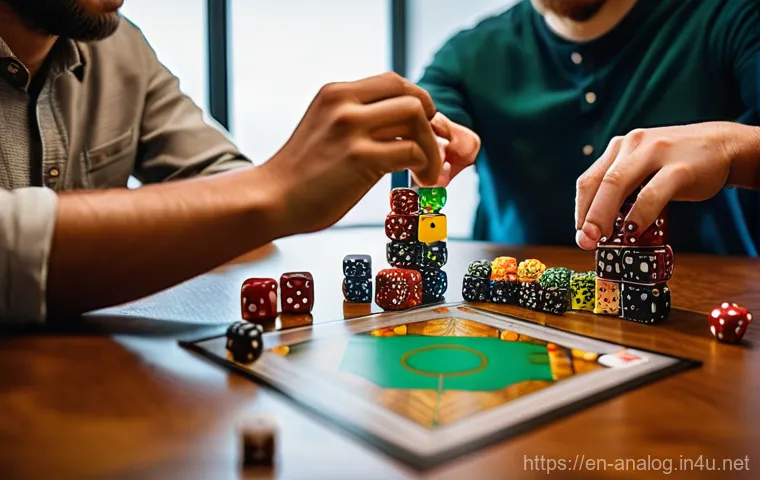
You know, for the longest time, board games felt like a cozy, intimate affair. Gathered around a kitchen table, maybe with some snacks, just enjoying good company and a bit of friendly rivalry. But lately, I’ve seen this incredible transformation, a true evolution from casual play to something far more organized, far more… competitive. It’s like the spirit of those old-school chess clubs never truly faded, it just evolved and expanded to embrace a whole new universe of tabletop experiences. What started as local skirmishes amongst friends has burgeoned into regional championships and even international tournaments, drawing crowds and serious strategic minds. It’s no longer just about bragging rights; we’re talking about real prize pools, sponsorships, and players training like professional athletes. I’ve personally felt that shift in energy, that palpable excitement when you walk into a game store and see a group intensely focused on a complex strategy, knowing they’re gearing up for the next big showdown. It’s a testament to the depth and replayability of these games that they can sustain such a vibrant, competitive scene, pushing players to truly master their craft and execute flawless strategies under pressure. The level of dedication I’ve witnessed from some of these players is genuinely inspiring, reminding me that the pursuit of excellence isn’t just for digital realms.
The Allure of the Analog Arena
So, what’s the secret sauce? Why are more and more people ditching their keyboards for game boards when it comes comes to competitive play? For me, it’s the sheer tangibility of it all. There’s something profoundly satisfying about physically moving pieces, shuffling cards in your hand, and making eye contact with your opponent across the table. It’s a multi-sensory experience that digital games, for all their flashy graphics, simply can’t replicate. I remember one intense Catan game where the tension was so thick you could cut it with a knife – every trade, every resource roll felt like a matter of life or death, and the shared glances, the subtle tells, added layers that a screen just can’t convey. Plus, the stakes feel so much more immediate. You’re physically present, your decisions have immediate, visible consequences on the board, and the social interaction, even in intense competition, fosters a unique camaraderie. It’s not just about winning; it’s about the shared journey, the intellectual duel, and the stories you create together that linger long after the final score is tallied. I’ve found that these face-to-face interactions build stronger bonds, even among rivals, than any online chat ever could.
Beyond Bragging Rights: The Drive for Mastery
Let’s be honest, there’s a primal satisfaction in testing your skills against others and coming out on top. But for many competitive players, it’s more than just winning; it’s about the pursuit of mastery. Analog games, especially those with deep strategic layers, offer an almost infinite playground for intellectual development. Each game is a puzzle, and tournaments are the ultimate test of your ability to solve it under pressure, adapt to new situations, and outthink your opponents. I’ve spent countless hours poring over rulebooks, watching strategy videos, and replaying scenarios in my head, just trying to eke out that extra edge. It’s a continuous learning process, much like training for any sport or honing any craft. The community aspect plays a huge role here too; players eagerly share strategies, analyze past games, and discuss optimal moves, all contributing to a collective elevation of skill. When you see someone execute a particularly brilliant maneuver in a tournament, it’s not just about their individual talent, but also the culmination of countless hours of dedicated practice and the collaborative learning environment that competitive play cultivates. It truly embodies that spirit of continuous improvement.
The Heartbeat of the Scene: Cultivating Thriving Tabletop Communities
It’s easy to focus on the glitz and glory of the big tournaments, but the true magic of competitive analog gaming lies in the incredible communities that form its backbone. These aren’t just groups of people who happen to like the same games; they’re often tight-knit collectives, sharing strategies, celebrating victories, and commiserating over defeats. I’ve been lucky enough to be a part of several, and the sense of belonging is truly something special. From the weekly meetups at your friendly local game store (FLGS) to sprawling online forums and Discord servers, these spaces are where friendships are forged, rivalries ignite, and the meta-game evolves. I vividly recall my first competitive event for a new game, feeling a little intimidated, but quickly finding myself welcomed by seasoned players eager to share tips and offer a friendly challenge. That kind of open, inclusive atmosphere is what makes these communities so resilient and so appealing. They are the incubators for new talent, the proving grounds for emerging strategies, and the support networks that keep players engaged and passionate, often for years on end. Without these dedicated local scenes, the grand international tournaments simply wouldn’t exist; they are the fertile ground from which champions emerge.
Finding Your Tribe: Local Game Stores and Online Hubs
If you’re looking to dive into the competitive scene, the first place I’d always recommend is your local game store. These aren’t just shops; they’re vital community centers, often hosting regular game nights, leagues, and even mini-tournaments. The staff are usually incredibly knowledgeable and passionate, able to point you towards groups playing your favorite games. I’ve spent countless evenings at my local FLGS, not just playing, but soaking in the atmosphere, learning from others, and just enjoying the sheer energy of people engaging with their hobbies. Beyond brick-and-mortar, the internet offers a vast landscape of opportunities. Platforms like BoardGameGeek.com have dedicated forums for competitive play, while Discord servers have become essential for real-time strategy discussion and organizing events. Social media groups for specific games or regions are also fantastic resources. The beauty is that no matter where you are, there’s likely a community waiting to welcome you, eager to share their passion and challenge you to a game. It’s about finding that shared language, that common ground, that makes connecting so effortless and rewarding.
Beyond the Dice Roll: Sportsmanship and Growth
While the goal is to win, competitive analog gaming, at its best, is also a masterclass in sportsmanship. You’re going to lose, sometimes spectacularly, and learning to do so gracefully is a huge part of the experience. I’ve certainly had my share of crushing defeats, moments where a single misplay cost me dearly, but it’s in those moments that you truly grow. The best players I know are not just strategic geniuses; they’re also humble in victory and gracious in defeat, always willing to offer a handshake and a word of encouragement. This emphasis on respectful play fosters an environment where players feel safe to take risks, learn from their mistakes, and push their boundaries without fear of harsh judgment. It’s a stark contrast to some corners of online gaming where anonymity can breed toxicity. In analog play, you’re face-to-face, building a reputation not just as a skilled player, but as a good person to game with. That sense of mutual respect and shared passion is truly the bedrock of these vibrant communities, making every game, win or lose, a positive and enriching experience.
Strategizing for Victory: Decoding the Champion’s Mindset
Let’s talk brass tacks: what separates a casual player from a competitive champion in the analog world? It’s not just about knowing the rules; it’s about seeing beyond them, understanding the game on a deeper, almost intuitive level. I’ve had the privilege of observing some truly brilliant minds at work, and the common thread is always a blend of meticulous planning, ruthless adaptability, and an uncanny ability to read their opponents. They don’t just react; they anticipate. They don’t just play their hand; they play the player across from them. I recall a time watching a championship match of a complex economic game, and one player made a seemingly innocuous move early on that only paid off five turns later, completely blindsiding their opponent. That level of foresight, that ability to construct a long-term plan while navigating immediate threats, is what truly defines a high-level competitor. It’s an intense mental workout, demanding focus, discipline, and a willingness to constantly analyze and re-evaluate your strategy as the game unfolds. This intellectual rigor is a huge part of the draw for me; it’s like a puzzle that keeps shifting, always pushing you to think deeper.
Mastering the Meta: Understanding the Evolving Landscape
Just like in digital esports, competitive analog games have a “meta-game” – the prevailing strategies and popular choices that dominate at any given time. A true champion doesn’t just stick to one strategy; they understand the current meta, adapt to it, and sometimes even break it. This means constantly staying informed about new card releases, rule clarifications, or popular player builds. It’s an ongoing process of research and experimentation. I’ve seen players who were dominant with one strategy suddenly fall behind because they didn’t adjust to a new wave of counter-plays. The best players are always experimenting, always testing the limits, and always looking for that next innovative approach that will give them an edge. This dedication to continuous learning and adaptation is what keeps the competitive scene fresh and exciting, preventing any single strategy from becoming stale. It’s a dynamic environment where innovation is key, and complacency is a quick path to defeat.
The Psychological Edge: Reading Your Opponent
Beyond the raw mechanics of the game, there’s a significant psychological component to competitive analog play. Unlike online games where your opponent is often an anonymous avatar, here you’re face-to-face. This opens up a whole new dimension of strategy: reading tells, bluffing, and understanding your opponent’s emotional state. I’ve personally found that a calm, confident demeanor can be just as powerful as a well-planned move. Observing their body language, their hesitations, or even the way they pick up their pieces can give you crucial insights into their hand or their intentions. It’s not about being aggressive or intimidating, but about subtly gathering information and using it to your advantage. A well-timed bluff can unravel an opponent’s entire strategy, and conversely, recognizing a bluff can save you from a costly mistake. This human element, the direct interaction and the battle of wits, adds a layer of depth that is truly unique to tabletop competition. It’s a dance of intellect and intuition, making every match a uniquely personal challenge.
Stepping onto the Battlefield: Finding Your First Competitive Analog Event
Okay, so you’re hooked, you’re ready to test your mettle, but where do you start? The journey from casual player to competitive participant might seem daunting, but it’s surprisingly accessible, and truly rewarding. I remember the jitters before my very first local tournament – a small KeyForge event at a store I’d never visited. But everyone was incredibly welcoming, eager to chat about strategies and even lend me a deck! The key is to just jump in. Don’t wait until you feel “good enough”; every tournament is a learning experience. You’ll meet new people, learn new strategies, and get a feel for the rhythm of competitive play. The learning curve is steep, but the community is generally incredibly supportive. You might not win your first (or second, or third!) event, and that’s perfectly fine. The real victory is in the participation, the learning, and the incredible fun of pushing your own boundaries alongside other passionate players. Seriously, don’t let a fear of losing hold you back; the experiences you gain far outweigh any temporary setback.
Navigating Event Formats and Tiers
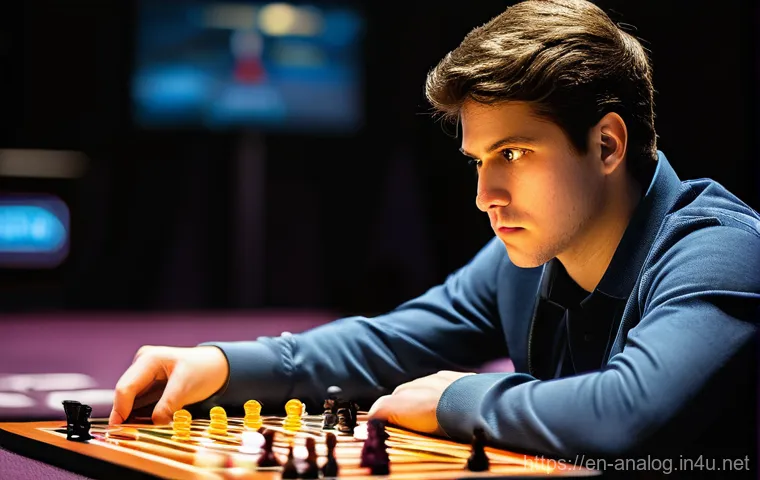
Competitive analog games come with a variety of event formats and tiers, catering to different levels of experience and commitment. At the most accessible level, you’ll find casual league nights and local store tournaments. These are fantastic entry points, low-pressure environments where the focus is often as much on fun and learning as it is on winning. As you progress, you might look into regional championships, national qualifiers, or even Grand Prix style events for larger, more established games. Each format might have slightly different rules, prize structures, and levels of competition. For instance, some games might have “sealed deck” formats where you open new packs and build a deck on the spot, while others are “constructed,” allowing you to bring a pre-built, finely tuned deck. Understanding these differences is crucial for preparation. I always recommend checking the official game publisher’s website for their organized play programs, as they often list upcoming events and provide detailed rulesets for each format. Don’t be afraid to ask around in local communities; veterans are usually happy to explain the nuances.
A Glimpse at Popular Competitive Analog Games and Their Events
To give you a better idea of what’s out there, here’s a quick look at some widely recognized competitive analog games and the types of events you might find:
| Game Title | Common Event Types | Key Competitive Aspect | Average Tournament Entry Fee (USD) |
|---|---|---|---|
| Magic: The Gathering | Friday Night Magic (FNM), Grand Prix, Pro Tours, Store Championships | Deckbuilding, resource management, intricate card interactions, meta-gaming | $5 – $60 (FNM to larger events) |
| Pokémon Trading Card Game | Local Leagues, Regional Championships, International Championships, World Championships | Deck construction, energy management, prize card strategy, coin flips | $5 – $30 |
| Catan | Local Qualifiers, National Championships, World Championship | Resource management, trading, negotiation, board analysis | $10 – $40 |
| KeyForge | Vault Tours, Archon Quests, Local Chainbound events | Deck discovery, chain management, knowing your deck’s synergies and weaknesses | $10 – $30 |
| Chess / Go | Local Clubs, National Federations, International FIDE/AGA Rated Tournaments | Pure strategy, pattern recognition, foresight, tactical execution | Varies widely, from free to $100+ for major events |
This table really highlights the diversity within the competitive analog gaming world. From the deep strategic deckbuilding of Magic to the intense negotiation of Catan, there’s a competitive avenue for almost any taste. What I’ve found fascinating is how accessible many of these events are, with entry fees often being quite reasonable, especially at the local level. It lowers the barrier to entry, allowing anyone with a passion for gaming to step into the competitive ring. It’s not about being an elite, exclusive club; it’s about sharing a passion and challenging yourself, regardless of your starting skill level. The investment of time and effort is often minimal to just get started, with the biggest reward being the experience itself.
The Future is Bright: What’s Next for Competitive Tabletop Gaming
If the last few years are any indication, the future of competitive analog gaming is not just bright, it’s absolutely blazing. We’re seeing more sophisticated game designs, a growing number of dedicated players, and an increasing recognition from broader media. This isn’t a niche hobby anymore; it’s a burgeoning industry with its own stars, narratives, and undeniable allure. I’ve watched as prize pools have grown, as events have become more professionally organized, and as the lines between “casual” and “pro” have blurred, with more opportunities for talented players to make a name for themselves. The innovation in game design itself is a huge driver, with designers constantly pushing the boundaries of what’s possible on a tabletop, creating experiences that are both deeply strategic and immensely replayable. It’s an exciting time to be a part of this world, and I truly believe we’re only scratching the surface of its potential. The foundations are strong, the communities are thriving, and the games themselves are more engaging than ever, creating a perfect storm for continued growth and mainstream appeal.
Hybrid Events and Digital Integration
One fascinating trend I’ve observed is the increasing embrace of hybrid events. While the core appeal of analog games lies in their physical nature, the organizational power of digital tools is undeniable. We’re seeing tournaments utilize online platforms for registration, bracket management, live streaming, and even virtual attendance for spectators. This blend allows for broader participation and a wider reach, bringing the excitement of a local tournament to a global audience. I’ve watched live streams of major events with thousands of viewers, complete with commentary and analysis, much like traditional esports. This integration doesn’t detract from the analog experience; it enhances it, making competitive play more accessible and engaging than ever before. It’s about leveraging the best of both worlds – the tangible, face-to-face interaction of the game itself, combined with the efficiency and reach of modern technology. This synergy is only going to grow, opening up even more possibilities for how these events are run and experienced, both for players and fans alike.
Mainstream Recognition and Expanding Audiences
The days of board games being seen as solely for “nerds” or “geeks” are rapidly fading into the rearview mirror. Thanks to a combination of excellent game design, passionate communities, and increasing media visibility, competitive analog gaming is earning mainstream recognition. Podcasts, YouTube channels, and even documentaries are shedding light on the intricate strategies and compelling personalities within the scene. I’ve even seen segments on major news outlets featuring local tournaments, highlighting the social and intellectual benefits of engaging with these games. This expanding awareness is crucial for attracting new players and further professionalizing the competitive circuit. As more people realize that competitive analog games offer an engaging, intellectually stimulating, and socially rewarding alternative to purely digital entertainment, the audience will continue to grow. It’s a natural evolution, and one that I’m incredibly excited to witness. The more people who discover the joy and challenge of these games, the richer and more vibrant our collective community becomes, ensuring a long and prosperous future for this amazing pastime.
Concluding Thoughts
Well, folks, what an incredible journey we’ve taken through the vibrant world of organized analog play! It’s truly amazing to see how our beloved board games, card games, and miniatures have transcended simple fun to become a serious, yet endlessly enjoyable, competitive arena.
The passion, the strategy, the camaraderie – it’s all part of an experience that digital realms often struggle to replicate. So, whether you’re a seasoned veteran or just dipping your toes into this exciting scene, remember that every game is an opportunity to learn, grow, and connect with some truly fantastic people.
I genuinely believe that this movement is only going to get bigger and better, so grab your dice, shuffle your cards, and get ready for the next adventure!
Handy Tips to Keep in Mind
1. Start Local and Small: Don’t feel pressured to jump into huge, high-stakes tournaments right away. Your local game store is your best friend. They often host casual league nights or smaller tournaments that are perfect for learning the ropes without overwhelming pressure. I can tell you from personal experience, those first few local events are where you build confidence and truly grasp the competitive rhythm, allowing you to gradually scale up your involvement as you feel more comfortable. It’s a low-stress way to meet like-minded people and get a feel for the competitive scene’s unique energy.
2. Embrace the Learning Curve: You *will* lose, especially early on, and that’s perfectly okay! Every defeat is a valuable lesson. Instead of getting discouraged, treat each game as a data point. What went wrong? What could you have done differently? I’ve found that my biggest breakthroughs often came after my most crushing losses, forcing me to re-evaluate my strategies and look for new angles. It’s a marathon, not a sprint, and continuous self-assessment is your most potent tool for improvement.
3. Connect with the Community: Seriously, these communities are incredibly welcoming. Join online forums, Discord servers, or just strike up conversations at your FLGS. Players are usually eager to share strategies, analyze games, and offer advice. I’ve forged some of my best friendships through these gaming communities, and their collective knowledge is an invaluable resource for improvement. Don’t underestimate the power of shared wisdom and the support network that a good community provides; it can seriously fast-track your progress and make the journey much more enjoyable.
4. Practice Smart, Not Just Hard: It’s not just about playing countless games; it’s about thoughtful practice. Review your games, identify your weaknesses, and focus on improving specific aspects of your play. Watch others, analyze their decisions, and don’t be afraid to try new strategies, even if they seem unconventional. This deliberate approach is what truly separates good players from great ones, transforming raw experience into refined skill. Think of it like a puzzle you’re constantly solving, always looking for that next piece to click into place.
5. Focus on Fun and Sportsmanship: At the end of the day, we play these games because we love them. While winning is great, the enjoyment of the game and the positive interactions with other players should always be paramount. Be a good sport, whether you win or lose, and cultivate an environment where everyone feels respected. This mindset not only makes the experience better for everyone but also enhances your own enjoyment and reputation in the scene. A positive attitude is contagious and contributes significantly to the vibrant, inclusive atmosphere that makes competitive analog gaming so special.
Key Takeaways
So, what’s the real essence of competitive analog gaming? It’s far more than just dice rolls and card plays; it’s a dynamic blend of strategy, psychology, and community. We’ve explored how these games push us to think critically, adapt quickly, and master complex systems. It’s a continuous journey of learning and refinement, where every match offers new insights and challenges us to elevate our game. The tangible nature of analog play, the face-to-face interactions, and the shared experiences create a depth of engagement that’s truly unique, fostering connections that often extend beyond the tabletop.
Moreover, the thriving communities built around these games are absolutely essential. They provide the support, the camaraderie, and the intellectual sparring needed for players to grow and flourish. From local game stores to international tournaments, these spaces foster a sense of belonging and shared passion, acting as the fertile ground for new talent and innovative strategies. And let’s not forget the incredible mental workout involved – the foresight, the adaptation, the bluffing, and the constant evolution of strategies. It’s an intellectual sport that demands your full attention and rewards dedication with profound satisfaction. The future of this space looks incredibly vibrant, with more innovations, broader recognition, and an ever-expanding community of enthusiastic players ready to dive into the next big challenge, ensuring that the heartbeat of analog play continues to grow stronger.
Frequently Asked Questions (FAQ) 📖
Q: Why are more people, especially adults, suddenly ditching screens and flocking back to board games and other analog experiences?
A: Oh, this is such a fantastic question and one I hear all the time! Honestly, I think it boils down to a fundamental human need for connection and tangible experiences that digital interactions sometimes struggle to provide.
After spending countless hours staring at screens for work, social media, and even entertainment, people are genuinely craving something different, something real.
I know I certainly was! The sales of board games have been steadily climbing, with a huge surge during the pandemic, showing just how much we value these screen-free activities.
Modern analog games offer such a refreshing break from the virtual world.
There’s this undeniable charm in physically holding game pieces, rolling real dice, and looking your friends or family members right in the eye as you play.
It’s about that face-to-face interaction that many video games have moved away from. It’s not just nostalgia for childhood classics, though that plays a part too.
Today’s games are incredibly creative, offering rich, engaging experiences with deeper strategic choices and diverse themes, from building railroads to solving global pandemics.
Plus, playing together fosters amazing social bonds and a sense of community that’s often missing in our fragmented digital lives. You’re not just playing a game; you’re creating shared memories and genuine laughter, which, let’s be real, is priceless!
Q: I’m intrigued by the competitive side! What kind of competitive analog game events are out there, and how can a passionate player get involved?
A: The competitive scene for analog games is absolutely buzzing, and it’s thrilling to see! It’s not just about casual game nights anymore; there’s a whole world of tournaments and leagues for popular titles, often with serious bragging rights and even prizes up for grabs.
I’ve been to a few, and the energy is electric!
You’ll find official tournaments for many well-known modern classics like Catan, Ticket to Ride, Splendor, Azul, and Wingspan, often organized at local game stores, larger conventions like TotalCon, and even national qualifiers.
These events typically involve several qualifying “heats” where players earn points to advance to semi-finals and finals. Beyond individual games, organizations like the Meeple League track player ratings across different conventions, adding another layer of competitive fun.
Getting involved is easier than you might think!
A great first step is to check out your local board game shops; they often host regular game nights and even smaller-scale tournaments. Online communities, like those on Reddit or BoardGameGeek, are also fantastic resources for finding local groups and events.
And if you’re looking to practice, some popular board games even have digital versions or online platforms like Board Game Arena where you can hone your skills against others remotely.
Trust me, once you experience the thrill of a competitive match, you’ll be hooked!
Q: Modern board games seem way more complex than the ones I grew up with. Where’s a good place for a complete beginner to start, and what should I look for?
A: You are so right! The world of modern board games can feel a little overwhelming when you first dive in – I remember feeling that exact way myself! Gone are the days when Monopoly and Scrabble were your only options.
Today’s games are incredibly diverse, but that also means knowing where to start can be tricky. Don’t worry, though, it’s actually super accessible!
My biggest tip for beginners is to start with what we call “gateway games.” These are titles designed to be easy to learn, usually with rules that can be explained in 5-10 minutes, but they still offer meaningful decisions and a ton of fun.
Games like Ticket to Ride, Carcassonne, Azul, or Catan are absolute superstars in this category. They provide engaging themes and mechanics without feeling like you need a degree in game theory to understand them.
When you’re choosing, think about a few things: who will you primarily be playing with?
Some games shine with two players, while others are amazing for larger groups or families. Also, consider themes that genuinely interest you; whether it’s building cities, collecting resources, or solving mysteries, there’s definitely a game out there for you.
Don’t be afraid to watch a few tutorial videos on YouTube for games that catch your eye; channels like “Watch It Played” are fantastic for seeing how a game flows before you even buy it.
And if you have a local game store, pop in! The staff are usually incredibly knowledgeable and love recommending games based on your preferences. You might even find a board game cafe nearby where you can try games before you commit to buying.
It’s all about finding that perfect blend of fun and challenge that makes you want to keep coming back for more!