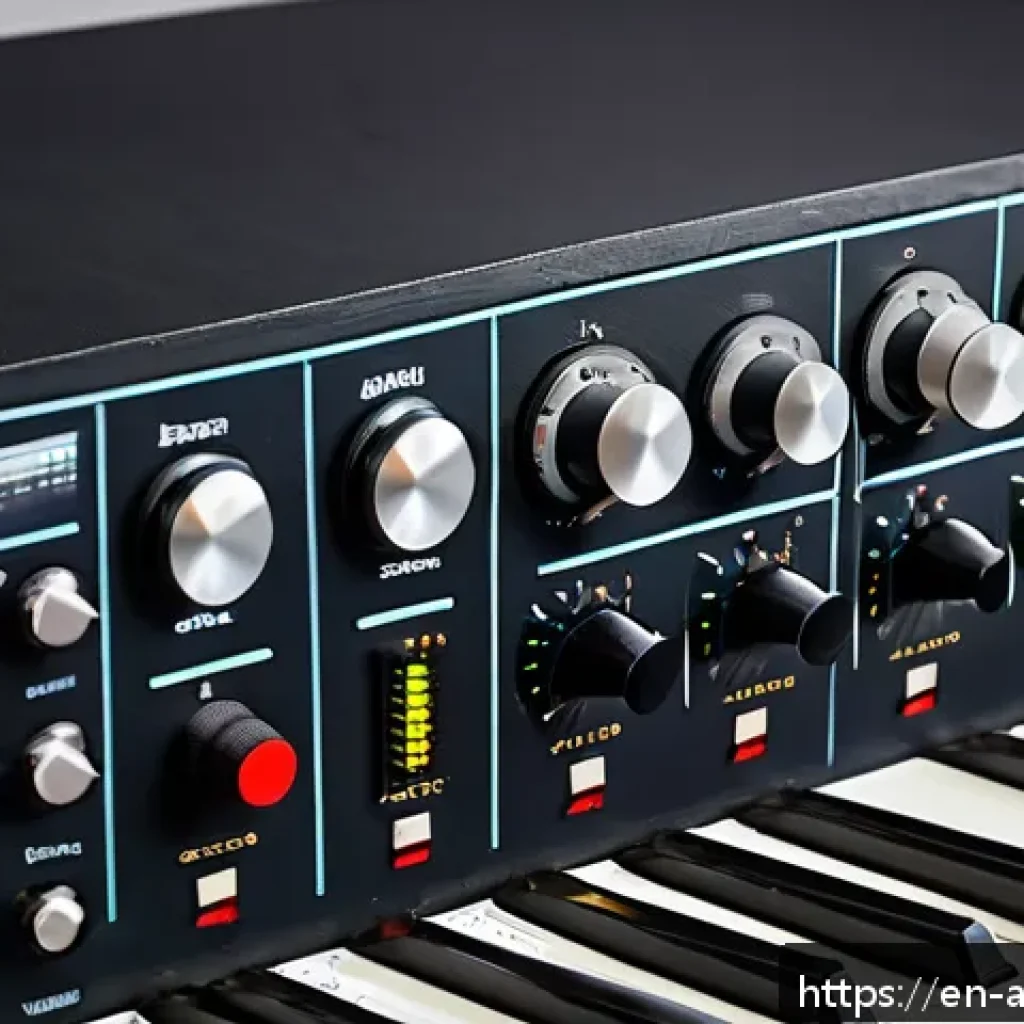
In today’s digital age, where software plugins and presets dominate music production, there’s a refreshing revival of interest in analog synthesizers.
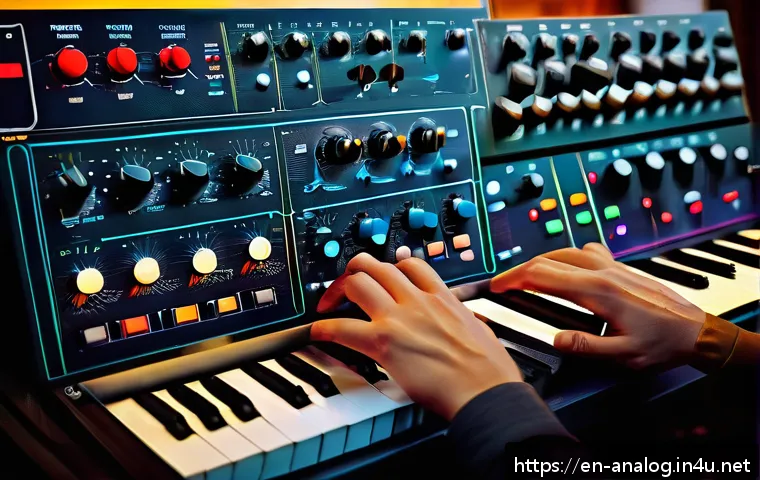
These classic machines offer a unique warmth and character that digital tools often struggle to replicate. Whether you’re a curious beginner or a seasoned musician seeking to deepen your sound design skills, understanding analog synthesis opens up a world of creative possibilities.
In this guide, we’ll explore the fundamentals of analog synths, demystifying their components and revealing how to craft those timeless tones. Let’s dive into the rich history and hands-on magic that make analog synths an enduring favorite among artists worldwide.
The Heart of Sound Creation: Oscillators and Waveforms
Understanding Oscillators
Oscillators are the core sound generators in any synth, and in the analog realm, they’re pure electronic circuits that produce continuous waveforms. What I find fascinating is how these oscillators create raw tones simply by generating repeating signals at different frequencies.
From sine waves that sound smooth and pure, to the buzzy richness of sawtooth waves, oscillators provide the initial palette for shaping sound. In my own experience, tweaking oscillator settings can feel like sculpting sound from scratch — each slight change in frequency or waveform type dramatically alters the character, making it both a science and an art.
Exploring Waveform Types
Analog synths typically offer a handful of classic waveforms: sine, triangle, square, and sawtooth. Each has its distinct sonic signature. For example, sine waves deliver the purest tone with no harmonics, making them perfect for basses or soft pads.
Sawtooth waves, on the other hand, are rich in harmonics and great for aggressive leads or brass-like sounds. Square waves have a hollow, woody timbre, often used for woody or chiptune textures, while triangle waves sit somewhere between sine and square in terms of brightness.
Getting hands-on with these waveforms helps me understand how each contributes to a synth’s overall sound palette.
How Oscillators Interact
Most analog synths allow you to layer or detune multiple oscillators, which creates a thicker, more complex sound. When two oscillators are slightly out of tune, the resulting “beating” effect adds warmth and movement that’s hard to replicate digitally.
I remember the first time I detuned oscillators on my synth and instantly felt the sound come alive — it was like turning a flat sketch into a vibrant painting.
This interaction is key for crafting lush pads, powerful basses, or dynamic leads that stand out in a mix.
Shaping Sound with Filters and Envelopes
The Magic of Filters
Filters in analog synths are what give sounds their distinctive color. They work by cutting or boosting certain frequency ranges, shaping the timbre dynamically.
The classic low-pass filter is perhaps the most iconic, allowing low frequencies to pass through while taming the highs. Using the filter cutoff knob, you can sweep the tone from dull and warm to bright and edgy.
I often find myself getting lost in the tactile feel of turning the filter knob, as it adds expressiveness and emotion to otherwise static sounds.
Envelope Generators: The Sound’s Personality
Envelopes define how a sound evolves over time, controlling parameters like volume or filter cutoff. The typical ADSR (Attack, Decay, Sustain, Release) envelope shapes the amplitude or tone progression from the moment a key is pressed until the sound fades away.
For example, a slow attack can create dreamy pads that swell gently, while a short attack and release make punchy, percussive sounds. I’ve experimented with different envelope settings to mimic natural instruments or invent entirely new textures, which really deepens the creative process.
Combining Filters and Envelopes
The real fun begins when you link envelopes to filters, allowing the tone to shift dynamically over time. By modulating the filter cutoff with an envelope, you can make sounds open up or close down, adding movement and interest.
This technique is a staple in funk bass lines, classic leads, and atmospheric textures. Personally, I love setting up filter sweeps that respond to my playing style, turning every note into an expressive statement rather than a static sound.
Modulation: Adding Life and Movement
LFOs and Their Uses
Low-Frequency Oscillators (LFOs) are modulation sources that cycle slowly and can be routed to various parameters like pitch, filter cutoff, or amplitude.
This subtle movement is what breathes life into static sounds. For instance, applying an LFO to pitch creates vibrato, while modulating the filter cutoff adds rhythmic pulse or shimmer.
When I first started experimenting with LFOs, it felt like discovering a secret tool that turns simple patches into evolving soundscapes.
Patch Cables and Modulation Routing
Many analog synths feature patch bays or modulation matrices that let you route modulation sources to different destinations. This hands-on approach to modulation encourages experimentation.
I’ve spent hours patching LFOs to oscillator pitch, envelopes to filter resonance, or even velocity to modulation depth, crafting sounds that react expressively to my playing.
The tactile nature of analog modulation makes the process feel intuitive and rewarding.
Complex Modulation for Dynamic Textures
Combining multiple modulation sources can create intricate sound movements. For example, using an LFO to modulate an envelope’s decay time or applying envelope modulation to LFO speed can produce evolving textures that keep listeners engaged.
In my studio, layering these modulations has helped me create ambient pads and sound effects that feel alive and unpredictable, far beyond what static presets offer.
Classic Components and Their Roles
Voltage-Controlled Amplifiers (VCA)
VCAs control the amplitude of the sound, essentially acting as volume knobs that respond to control voltages. They work closely with envelopes to shape how a note starts and fades, making them essential for expressive playing.
From personal experience, adjusting the VCA response can turn a mechanical patch into a soulful performance, adding dynamics and nuance.
Voltage-Controlled Oscillators (VCO)
VCOs are the oscillators whose pitch is controlled by voltage, enabling precise tuning and modulation. Their analog nature means slight instabilities and drift, which many musicians, including myself, find adds character and warmth to the sound.
This subtle imperfection contrasts with the sterile precision of digital synths, giving analog patches a unique charm.
Voltage-Controlled Filters (VCF)
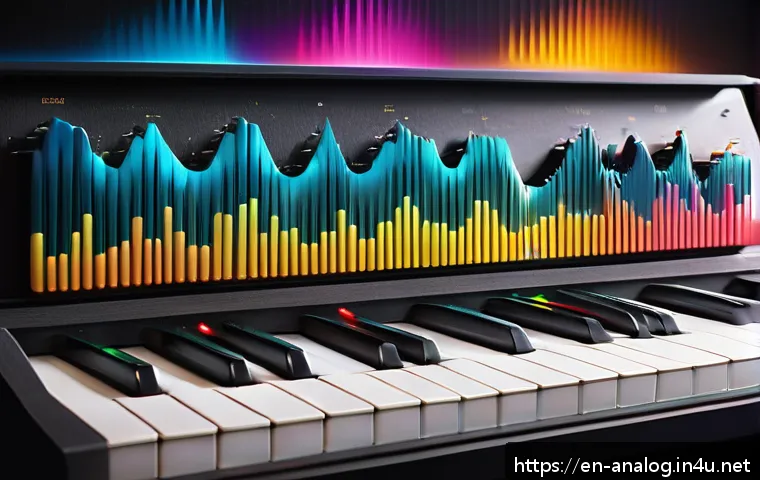
VCFs are the filters whose cutoff frequency is voltage-controlled, allowing dynamic tonal shaping. When paired with envelopes and LFOs, VCFs become powerful tools for evolving sounds.
I’ve noticed that tweaking VCF parameters in real-time during performance brings a tactile, almost organic feel that connects me directly with the music.
Hands-On Techniques for Sound Design
Start with a Basic Patch
A great way to learn is by starting with a simple patch: one oscillator, a low-pass filter, and an envelope controlling amplitude. I recommend setting the oscillator to a sawtooth wave for a rich harmonic base, then slowly adjusting the filter cutoff while playing notes.
This approach helps you hear how each component affects the sound and builds foundational understanding.
Experiment with Detuning and Oscillator Sync
Detuning oscillators slightly apart creates thick, lush sounds full of movement. Additionally, oscillator sync forces one oscillator to restart its cycle based on another’s waveform, generating edgy, harmonically rich tones.
When I first played with oscillator sync, it was like unlocking a new sonic dimension, perfect for aggressive leads or sci-fi effects.
Use Modulation to Animate Static Sounds
Applying LFOs and envelopes to various parameters brings static patches to life. Try routing an LFO to filter cutoff for rhythmic pulsing or an envelope to oscillator pitch for expressive pitch bends.
I’ve found that adding even subtle modulation can transform a dull tone into something captivating and dynamic.
Comparing Popular Analog Synths: Features at a Glance
| Synth Model | Oscillators | Filter Type | Modulation Options | Notable Sound Characteristic |
|---|---|---|---|---|
| Moog Sub 37 | 2 VCOs + Sub Oscillator | 24dB Ladder Low-Pass | Extensive LFOs, Envelopes, Mod Matrix | Warm, fat basses with smooth filter sweeps |
| Korg Minilogue | 2 VCOs per voice | Multimode (LP, HP, BP) | LFO, ADSR, Delay FX | Versatile, clear leads and pads |
| Dave Smith Instruments Prophet-6 | 2 VCOs + Sub Oscillator | 24dB Low-Pass | Multiple LFOs, Envelopes, Arpeggiator | Classic vintage warmth with modern reliability |
| Roland Juno-60 | 1 DCO + Sub Oscillator | 24dB Low-Pass with Resonance | LFO, ADSR, Chorus FX | Bright, chorus-rich pads and leads |
| Arturia MiniBrute 2 | 1 VCO + Sub + Noise | Multimode Steiner-Parker | Comprehensive Mod Matrix, LFOs | Raw, aggressive textures with great modulation |
Maintaining and Tweaking Your Synth for Optimal Performance
Regular Calibration and Tuning
Analog synths can drift out of tune due to temperature changes or component aging. Regular calibration ensures your oscillators stay in pitch and your patches sound consistent.
From my own practice, dedicating time to tuning not only improves sound quality but also deepens my connection with the instrument’s nuances.
Cleaning and Protecting Components
Keeping knobs, sliders, and patch cables clean prevents scratchy noises and connection issues. I use gentle electronics cleaner and soft cloths to maintain smooth control surfaces.
Protecting your synth from dust and moisture prolongs its life, ensuring it performs reliably during live shows or studio sessions.
Upgrading and Modding for Expanded Capabilities
Many vintage and modern analog synths support upgrades or custom modifications. Adding extra modulation options, improving the power supply, or installing new filters can breathe new life into older gear.
I once upgraded a classic synth with a modern MIDI interface, which opened up new creative possibilities and integration with my digital setup.
In Conclusion
Exploring the world of analog synths reveals a beautiful blend of technology and creativity. From oscillators to modulation, each component plays a vital role in crafting unique sounds. My journey with these instruments has taught me that hands-on experimentation is key to unlocking their full potential. Whether you’re a beginner or a seasoned player, embracing the tactile nature of analog synthesis opens up endless sonic possibilities.
Useful Tips to Remember
1. Always start simple by mastering basic patches before diving into complex modulation setups. This builds a strong foundation and helps you understand each element’s impact on sound.
2. Regularly tune and calibrate your synth to maintain pitch stability, especially if you perform live or record frequently.
3. Don’t shy away from experimenting with detuning and oscillator sync; these techniques add richness and character to your patches.
4. Use envelopes and filters together to create dynamic, evolving sounds that respond expressively to your playing style.
5. Keep your synth clean and protected from dust and moisture to ensure smooth operation and longevity.
Key Takeaways
Analog synthesizers offer a hands-on, expressive approach to sound design, with oscillators and waveforms providing the raw material for tone creation. Filters and envelopes shape the sound’s color and movement, while modulation sources like LFOs add life and complexity. Maintaining your synth through regular tuning and care is essential for consistent performance. Ultimately, the tactile interaction with these components encourages creativity and connection, making analog synthesis a rewarding experience for musicians and producers alike.
Frequently Asked Questions (FAQ) 📖
Q: uestions about
A: nalog Synthesizers
Q: What makes analog synthesizers sound different from digital ones?
A: Analog synthesizers produce sound using continuous electrical signals, which results in a warmer, richer, and more organic tone compared to digital synths that rely on mathematical approximations.
This analog circuitry introduces subtle variations and imperfections, giving each note a unique character that many musicians find more expressive and pleasing to the ear.
From my own experience, playing with an analog synth feels more tactile and alive, making sound design an engaging creative process.
Q: Are analog synthesizers suitable for beginners, or are they only for experienced musicians?
A: Analog synthesizers can definitely be beginner-friendly, especially if you want to learn the core principles of sound synthesis hands-on. While some models might seem complex at first, many entry-level analog synths come with straightforward controls that help you understand oscillators, filters, and envelopes without overwhelming you.
I remember starting out with a simple analog synth and how much it helped me grasp sound shaping fundamentals that later made digital synths easier to master.
Q: How do I maintain and care for an analog synthesizer to keep it working well?
A: Maintaining an analog synth involves a few key practices: keep it in a dry, dust-free environment; avoid extreme temperatures; and power it on regularly to prevent components from degrading.
Occasionally cleaning the knobs and connectors with appropriate tools helps maintain smooth operation. Based on what I’ve learned, taking gentle care ensures your synth stays reliable and sounds great for years, preserving that unique analog magic you fell in love with.