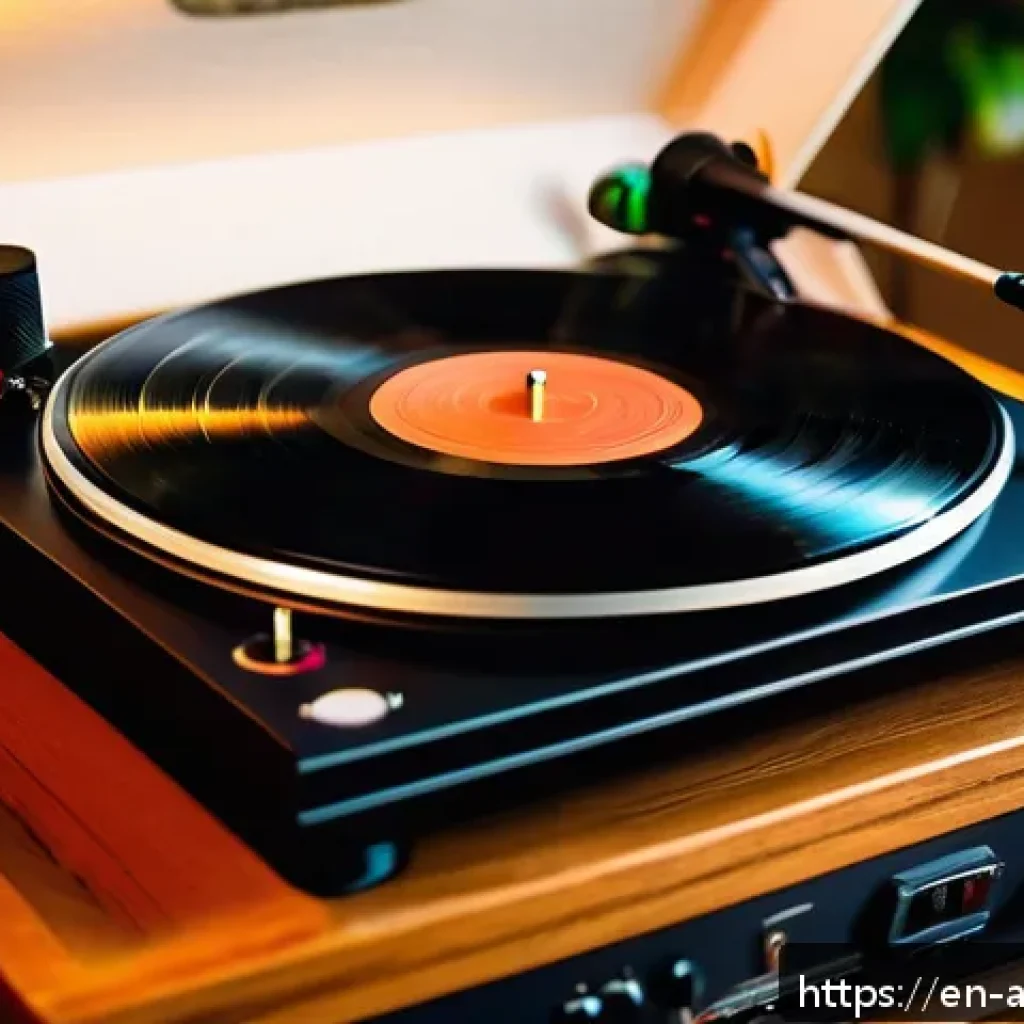
Hey there, audio enthusiasts! With streaming platforms constantly evolving and new tech gadgets hitting the market, the debate between analog warmth and digital clarity is hotter than ever.
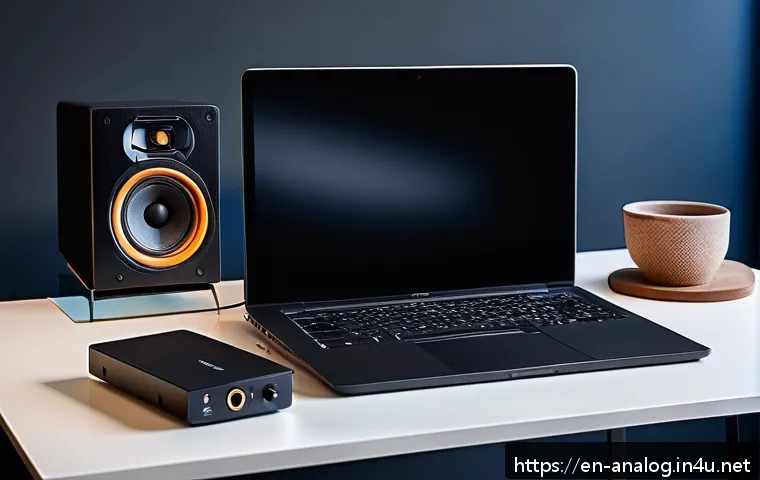
Whether you’re a vinyl lover craving that rich, soulful sound or a digital devotee chasing crisp, pristine audio, understanding these differences can totally change how you experience music.
I’ve spent countless hours diving into both worlds, and trust me, there’s more than meets the ear. Stick around as we unravel the secrets behind these audio styles to help you find the perfect sound for your ears.
How Sound Waves Shape Your Listening Experience
Understanding the Nature of Analog Sound
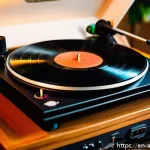
Analog audio is all about continuous sound waves. When you play a vinyl record or listen to a tape, what you’re actually hearing is the original sound wave recreated physically through grooves or magnetic patterns.
This continuous waveform captures every nuance of the performance, from the subtle inflections in a singer’s voice to the ambient room noise that gives a recording its unique character.
That’s why many audiophiles describe analog sound as warm, rich, and full-bodied—it’s because the sound is literally flowing in one seamless motion without interruption.
When I first listened to a well-maintained vinyl pressing, I was struck by how natural and alive the music felt, almost as if the artist were performing right there in the room.
Digital Audio: Precision in Bits and Bytes
Digital audio converts sound into a series of numbers, sampling the waveform at discrete intervals. This method allows for incredible clarity and the ability to manipulate sound with precision.
The result is audio that’s clean, consistent, and free from the background hiss or crackle you might hear on analog formats. However, because it’s based on samples rather than a continuous wave, some subtle details may be smoothed out or lost, which can sometimes make digital sound feel a bit sterile or clinical.
Personally, I’ve found that high-resolution digital files played through quality equipment can still deliver jaw-dropping clarity that reveals hidden layers in complex tracks—something I really appreciate when I’m focusing on intricate compositions or electronic music.
Why Some Prefer One Over the Other
It often boils down to what kind of emotional connection you want with your music. Analog’s imperfections—like slight pops or surface noise—can make the listening experience feel more intimate and nostalgic, evoking memories or a sense of warmth that digital can’t quite replicate.
On the flip side, digital’s ability to reproduce sound with pinpoint accuracy appeals to those who want every note crystal clear, especially in genres where precision is key, like classical or modern pop.
From my own listening journey, switching between the two depending on the mood or genre has been a game-changer, letting me appreciate music in different lights.
Decoding the Technical Differences Behind the Sound
Sampling Rate and Bit Depth Explained
Digital audio quality depends heavily on sampling rate and bit depth, two technical specs that determine how closely digital sound mimics its analog counterpart.
The sampling rate is how many times per second the audio is measured, usually 44.1kHz for CDs or up to 192kHz for high-res files. Bit depth, on the other hand, affects dynamic range—the difference between the quietest and loudest sounds.
Higher bit depth means more detail in soft passages and less distortion in loud ones. When I upgraded my digital setup to support 24-bit/96kHz files, I noticed a significant improvement in clarity and depth, especially on acoustic recordings.
Analog’s Signal Path and Its Impact
In analog systems, the quality of the signal path—from the cartridge on your turntable to the amplifier and speakers—plays a huge role in the final sound.
Every component adds its own character, sometimes coloring the audio in ways that can be desirable or detrimental. For instance, tube amplifiers are famous for adding warmth and smoothness, which many listeners find pleasing.
I remember experimenting with different phono cartridges and amps; some combinations made my vinyl sound lush and full, while others felt thin or harsh.
This variability is part of what makes analog gear so personal and engaging.
How Digital Processing Influences Audio
Digital audio benefits from advanced processing techniques like noise reduction, equalization, and dynamic range compression. These tools can enhance or alter the sound to suit different listening environments or preferences.
However, over-processing can strip away the natural dynamics and emotional impact of the music. In my experience, using minimal processing and opting for lossless formats preserves the integrity of the original recording better, letting the music breathe and resonate naturally.
Exploring the Emotional Connection with Music
Why Warmth Feels More Human
There’s something undeniably comforting about analog warmth. It’s not just a technical feature but an emotional experience. The slight imperfections and harmonic distortions present in analog playback seem to mimic the way we naturally hear sounds in real life, making music feel more alive and relatable.
For me, listening to a crackling vinyl on a quiet evening creates a cozy atmosphere that digital just can’t match.
Digital’s Role in Modern Music Consumption
Digital audio’s convenience and consistency have revolutionized how we access music. Streaming services, portable devices, and digital downloads allow instant access to millions of songs anytime, anywhere.
This accessibility has changed listening habits, encouraging exploration and discovery. While digital may lack some analog charm, its precision and clarity enhance genres like EDM or hip-hop, where crisp beats and detailed production are crucial.
Personally, I rely on digital for my daily commute playlists because it’s practical and sounds great through earbuds.
Balancing Nostalgia and Innovation
Finding the right balance between analog warmth and digital clarity is a personal journey. Some days I crave the tactile experience of handling records and the rich sound they deliver, while other times I enjoy the sleek convenience and crispness of digital files.
This blend of old-school nostalgia and modern innovation keeps my love for music fresh and exciting. It’s fascinating how these two worlds coexist, each offering unique pleasures depending on what you’re in the mood for.
Choosing the Right Setup for Your Preferences
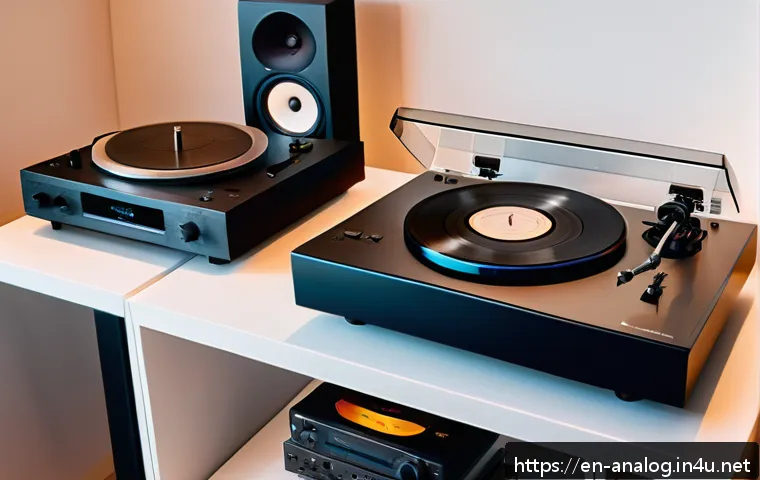
Essential Gear for Analog Enthusiasts
If you’re diving into the analog side, investing in a quality turntable, cartridge, and amplifier is key. The condition of your records also matters—a clean, well-maintained vinyl will sound far better than a scratched or dusty one.
I’ve learned that upgrading my stylus and getting a proper cleaning kit made a huge difference in bringing out the details and reducing surface noise.
Don’t underestimate the importance of good speakers, too; they’re the final link in the chain that delivers sound to your ears.
Building a Digital Audio System
For digital, the focus shifts to choosing the right digital-to-analog converter (DAC), audio interface, and headphones or speakers. A high-quality DAC can transform even compressed files into enjoyable listening experiences by restoring some of the lost detail.
Streaming quality also matters—services offering lossless or high-res audio are worth exploring if you want the best sound. From my trials, pairing a solid DAC with open-back headphones created an immersive listening environment that rivals my analog setup on many levels.
Budget Considerations and Practical Tips
Balancing budget and quality is always a challenge. Analog gear can be pricey and requires maintenance, but entry-level options offer great value for newcomers.
Digital setups can start simple with just a good pair of headphones and a smartphone, then gradually improve with better DACs and streaming subscriptions.
I often recommend starting with what fits your lifestyle and upgrading step-by-step as you discover your preferences and needs.
Comparing Analog and Digital Audio: A Quick Overview
| Feature | Analog Audio | Digital Audio |
|---|---|---|
| Sound Representation | Continuous sound waves | Discrete samples (bits and bytes) |
| Sound Character | Warm, rich, sometimes imperfect | Clear, precise, sometimes clinical |
| Equipment Requirements | Turntable, cartridge, amplifier, speakers | DAC, audio interface, headphones/speakers |
| Maintenance | Requires cleaning, careful handling | Minimal, mostly software updates |
| Portability | Limited, bulky gear | Highly portable (streaming, files) |
| Emotional Experience | Nostalgic, intimate | Convenient, versatile |
How Environment and Listening Habits Affect Perception
The Role of Listening Space
The acoustics of your room or environment play a huge role in how both analog and digital audio sound. Hard surfaces can cause reflections and echoes, muddying the sound, while soft furnishings absorb excess noise, making music clearer and more enjoyable.
I’ve spent hours tweaking speaker placement and adding rugs or curtains in my listening room, and it’s amazing how much the soundstage and detail improved.
Whether analog or digital, a well-treated room brings out the best in your system.
Volume and Dynamic Range Considerations
Listening volume impacts perception too. Analog formats often have a natural compression that makes loud parts feel smoother, while digital can handle extreme dynamic range without distortion.
Personally, I find that moderate volume levels let me appreciate the subtle dynamics in both formats without fatigue. Cranking up the volume on digital tracks can sometimes reveal harshness, while analog’s warmth tends to stay pleasing even at higher levels.
Personal Preferences Shape the Experience
At the end of the day, your personal taste, listening habits, and emotional connection to music define which format feels “better.” I’ve talked with friends who swear by vinyl for its ritual and vibe, while others can’t imagine life without the convenience and clarity of digital.
Exploring both with an open mind can lead to a richer appreciation of music’s many facets—and maybe even a hybrid setup that satisfies every mood.
In Conclusion
Understanding the differences between analog and digital audio helps you appreciate how sound waves shape your listening experience. Whether you prefer the warm, nostalgic feel of vinyl or the clear, precise quality of digital, both formats offer unique joys. Exploring each option allows you to connect with music in new and meaningful ways. Ultimately, the best sound is the one that resonates with your personal taste and mood.
Useful Tips to Remember
1. Keep your analog equipment clean and well-maintained to preserve sound quality and extend its lifespan.
2. Invest in a quality DAC and headphones if you want to get the most out of digital audio files.
3. Experiment with your listening environment—small changes like speaker placement or room treatment can make a big difference.
4. Choose the format that suits your current mood or music genre to enhance your emotional connection.
5. Don’t hesitate to mix analog and digital setups to enjoy the best of both worlds depending on the occasion.
Key Takeaways
Sound quality is influenced by both technical factors and personal preferences, making the choice between analog and digital highly individual. Analog offers a warm, immersive experience with natural imperfections, while digital provides clarity and convenience with precise reproduction. Proper equipment and environment play crucial roles in maximizing the listening experience. Balancing nostalgia and innovation can keep your passion for music vibrant and enjoyable over time.
Frequently Asked Questions (FAQ) 📖
Q: uestionsQ1: What exactly makes analog sound “warmer” compared to digital audio?
A: Analog warmth often comes from the natural imperfections and harmonic distortions inherent in vinyl records and tape recordings. These subtle nuances add a richer, fuller character to the music that many listeners find emotionally engaging.
When I first switched from streaming digital files to playing vinyl, I noticed that the sound felt more alive—less clinical and more inviting. This warmth isn’t about accuracy but about creating a sonic atmosphere that feels cozy and authentic.
Q: Is digital audio always clearer and better than analog?
A: Digital audio certainly offers high clarity and precision, especially with lossless formats and high-resolution files. However, clarity doesn’t always equal better listening experience for everyone.
Digital files can sound a bit sterile or cold to some ears, lacking the subtle texture that analog provides. From my experience, digital is fantastic for detailed listening and convenience, but sometimes it can miss that emotional depth that analog captures so well.
Q: Can I enjoy both analog warmth and digital clarity without investing in expensive gear?
A: Absolutely! You don’t need a high-end setup to appreciate the strengths of both worlds. For example, a good quality turntable paired with decent speakers can bring out the analog warmth without breaking the bank.
On the digital side, streaming platforms now offer lossless audio, which significantly improves sound quality on regular headphones or speakers. Personally, I mix both: vinyl for relaxed, immersive listening sessions and digital for on-the-go convenience, striking a great balance without overspending.