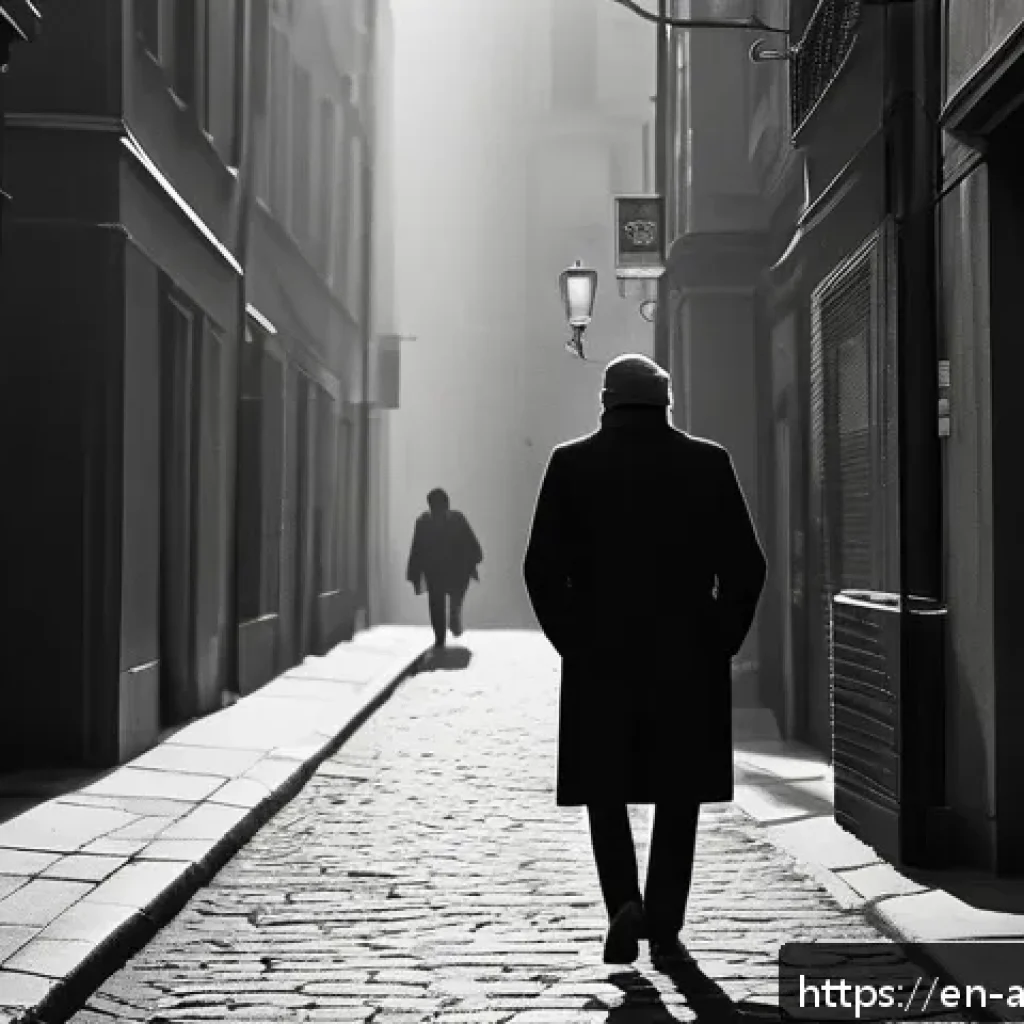
Lately, there’s been a remarkable resurgence in analog photography, with film cameras making a stylish comeback among creatives and enthusiasts alike.

As digital saturation grows, more people are craving that authentic, tactile experience only film can deliver. Whether you’re just diving into vintage photography or looking to refine your craft, choosing the right film stock is crucial.
The subtle textures, vibrant colors, and unique grain each film offers can transform your images in ways digital simply can’t replicate. Stick around as we explore some of the top film stocks that can truly elevate your analog photography game and help you capture timeless moments with a fresh perspective.
Exploring the Charm of Classic Black and White Films
The Timeless Appeal of Monochrome
Black and white film holds a special place in the heart of many photographers. There’s something undeniably poetic about capturing a scene stripped of color, where light, shadow, and contrast tell the entire story.
When I first picked up a roll of Ilford HP5 Plus, I was amazed at how the grain structure added a raw, emotional texture that digital just can’t mimic.
This film’s wide exposure latitude means it’s forgiving for beginners yet rewarding for seasoned shooters. It’s perfect for street photography, portraits, or moody landscapes where the focus is on shapes and emotion rather than hues.
Choosing the Right Black and White Film
Not all black and white films are created equal. For example, Kodak Tri-X 400 is famous for its classic grain and punchy contrast, which many photojournalists love for its gritty, authentic feel.
On the other hand, Ilford Delta 3200 pushes the boundaries in low light, allowing you to shoot in dim conditions without sacrificing too much detail. Personally, I often carry both films in my bag depending on the mood I want to capture—HP5 for everyday shooting and Delta 3200 when the light dips.
Developing and Printing Insights
Developing black and white film at home can be a rewarding experience, offering you control over the final look. The choice of developer, temperature, and development time all influence grain, contrast, and sharpness.
I found that experimenting with Rodinal developer yields a beautiful grain structure and sharpness that enhances the film’s character. Plus, printing your own photos in a darkroom adds a tactile joy that connects you more deeply to your images.
Vibrant Colors and Fine Grain: Color Negative Films Worth Trying
Why Color Negatives Still Shine
Color negative film is a fantastic choice for capturing everyday moments with natural, rich tones and forgiving exposure latitude. Unlike slide film, color negatives handle overexposure gracefully, making them more flexible for a variety of lighting conditions.
My personal go-to has been Kodak Portra 400 for years, thanks to its warm skin tones and smooth grain that translate beautifully in portraits and outdoor shots alike.
Comparing Popular Color Negative Films
Fujifilm’s Superia line offers vibrant colors with a cooler tone, which works wonderfully for landscapes and urban photography. Meanwhile, Kodak Ektar 100 stands out for its ultra-fine grain and punchy saturation, ideal for vivid daylight scenes.
I often choose Ektar when I want my photos to pop with intense color, while Portra remains my top pick for subtlety and warmth.
Processing Tips to Enhance Colors
When shooting color negative film, proper scanning or printing is crucial to preserving the film’s unique palette. I’ve learned that getting a high-quality scan with good dynamic range really brings out the nuances in Portra’s skin tones.
Additionally, using a professional lab that understands film nuances can make a huge difference in the final prints’ vibrancy and sharpness.
Slide Films: For Those Who Want Bold and Direct Color
Distinctive Characteristics of Slide Film
Slide film, or reversal film, is known for its vivid colors, sharpness, and high contrast, delivering images that demand attention. Unlike negatives, slides produce a positive image directly on the film, which means what you see in the frame is what you get on the final image.
I found shooting with Fuji Velvia 50 especially rewarding for landscapes—its rich saturation and crisp details bring out every leaf and ripple with stunning clarity.
Challenges and Rewards of Slide Film
The major tradeoff with slide film is its narrow exposure latitude, meaning you have to nail your exposure in-camera. This can be intimidating at first, but it also teaches you to really understand light and metering.
Once you get it right, the results are breathtaking. The richness in color and contrast creates a dynamic range that digital often struggles to match without heavy editing.
Creative Uses Beyond Landscapes
Although slide film is a favorite for nature shots, it also shines in fashion, still life, and architectural photography. The punchy colors and fine detail can turn a simple subject into a statement.
I experimented with Velvia for some portrait sessions, and the results were striking—skin tones appeared more vibrant but still natural, with a depth and texture that gave each image an artistic edge.
Understanding ISO and Grain: Finding the Perfect Balance
How ISO Affects Your Film Choice
ISO rating is one of the most important factors when selecting film. Higher ISO films like Ilford Delta 3200 or Kodak T-Max 3200 offer more sensitivity, allowing you to shoot in low light without a flash.
However, the tradeoff is increased grain, which can be used creatively or seen as a drawback depending on your style. I usually reach for higher ISO films in dim environments or for action shots where shutter speed is critical.
Grain as an Artistic Element
Grain isn’t just a technical side effect; it can become a defining feature of your images. Some photographers, myself included, appreciate the mood and texture grain adds to black and white photos.
For instance, the grain in Tri-X 400 or HP5 gives photos a tactile quality that enhances storytelling, especially in documentary or street photography.
Balancing Sharpness and Sensitivity
When choosing film, it’s essential to balance grain and sharpness with your shooting conditions. Low ISO films like Fuji Pro 400H or Kodak Ektar 100 provide ultra-fine grain and sharp detail, ideal for daylight and controlled lighting situations.

Meanwhile, pushing a lower ISO film during development can sometimes mimic higher ISO characteristics but requires experience to avoid loss of detail.
Essential Film Stocks Comparison
| Film Stock | Type | ISO | Best For | Characteristics |
|---|---|---|---|---|
| Ilford HP5 Plus | Black & White | 400 | Street, Portraits | Classic grain, wide exposure latitude |
| Kodak Tri-X 400 | Black & White | 400 | Documentary, Low light | Gritty grain, high contrast |
| Kodak Portra 400 | Color Negative | 400 | Portraits, Everyday | Warm skin tones, smooth grain |
| Fujifilm Superia X-TRA 400 | Color Negative | 400 | General use, Travel | Vibrant colors, cooler tone |
| Fuji Velvia 50 | Slide | 50 | Landscapes, Nature | Rich saturation, sharp details |
| Kodak Ektar 100 | Color Negative | 100 | Vivid daylight shots | Ultra-fine grain, punchy color |
Film Formats and Their Impact on Image Quality
35mm vs Medium Format
Choosing the film format can be just as important as the film stock itself. 35mm film is widely popular due to its convenience and availability. It’s great for everyday use and offers a good balance of quality and portability.
Personally, I enjoy 35mm for street photography because it lets me shoot quickly and discreetly. Medium format film, however, offers a larger negative size, which translates to higher resolution and more detail.
When I switch to medium format, the images have this incredible depth and clarity that really elevate fine art and landscape photography.
Advantages of Large Format
For those willing to invest in a more deliberate process, large format film cameras provide unparalleled image quality. The negatives are huge compared to 35mm or medium format, capturing extreme detail and tonal range.
The tradeoff is bulk and slower setup, but the results can be breathtaking, especially for architectural or still life work where every detail counts.
Choosing the Right Camera for Your Film
The camera you use can influence your experience with different films. Point-and-shoot 35mm cameras are easy to handle but offer limited control, while manual SLRs give you full control over exposure and focus, letting you maximize the film’s potential.
Medium and large format cameras require more skill but reward you with superior image quality. I’ve found that pairing a manual SLR with Kodak Portra 400 gives me the best combination of control and beautiful results.
Tips for Storing and Handling Film Rolls
Preserving Film Quality Before Shooting
Film is sensitive to heat, humidity, and light, so proper storage is key to maintaining its quality. I always keep my rolls in a cool, dry place—ideally a refrigerator if I’m storing them for a long time.
Avoid leaving film in a hot car or near windows where temperature fluctuations can fog or degrade the emulsion. Carrying film in a sealed container while out shooting helps prevent accidental exposure to light or moisture.
Handling During Shooting
When loading and unloading film, it’s important to work in subdued lighting and avoid direct sunlight. Be gentle when advancing the film to prevent scratches or uneven tension, which can cause frame overlap or light leaks.
I recommend practicing loading and unloading your camera at home a few times before heading out to shoot, especially if you’re new to analog photography.
Post-Shoot Storage and Processing
Once a roll is shot, store it in a cool place until you can get it developed. If you’re sending film to a lab, choose one with good reviews for handling and processing to ensure your images come out as intended.
For home developers, make sure to keep chemicals fresh and follow safety precautions. Over time, I’ve found that proper care at every stage—from storage to development—makes a noticeable difference in final image quality.
Closing Thoughts
Classic film photography continues to captivate with its unique textures, tones, and emotional depth. Whether you prefer the timeless elegance of black and white, the vivid richness of color negatives, or the boldness of slide films, each format offers its own creative possibilities. Experimenting with different stocks and formats enriches your photographic journey and sharpens your understanding of light and composition. Ultimately, the tactile experience of shooting and developing film adds a rewarding layer of artistry that digital can rarely replicate.
Helpful Information to Remember
1. Store your film in a cool, dry place to preserve its quality and avoid heat damage.
2. Choose the film stock based on your shooting environment and desired aesthetic—high ISO for low light, fine grain for daylight.
3. Handling film carefully during loading and unloading minimizes risks of scratches and light leaks.
4. Developing your own film or using a trusted lab can greatly influence the final image quality and color accuracy.
5. Experiment with different formats like 35mm, medium, and large format to find what best suits your style and project needs.
Key Takeaways
Film photography remains a deeply rewarding medium that combines technical skill with creative expression. Understanding the characteristics of various film stocks and formats empowers you to make informed choices that enhance your artistic vision. Proper storage, handling, and development are essential to preserving the integrity of your images. Embracing grain and exposure nuances can add emotional depth and authenticity to your work. Ultimately, the hands-on nature of film fosters a stronger connection to the craft and results in timeless photographs worth cherishing.
Frequently Asked Questions (FAQ) 📖
Q: uestionsQ1: What are the best film stocks for beginners starting analog photography?
A: For beginners, I’d recommend starting with versatile and forgiving film stocks like Kodak Portra 400 or Fujifilm Superia X-TRA 400. These films handle a wide range of lighting conditions well and provide vibrant colors with fine grain, making them ideal for learning.
From my experience, Portra 400 especially offers beautiful skin tones and a pleasant color palette, which helped me build confidence without worrying too much about exposure mistakes.
Q: How do different film stocks affect the look and feel of my photos?
A: Each film stock brings its own personality to your images. For example, Kodak Tri-X 400 produces classic black-and-white photos with rich contrast and noticeable grain, perfect for moody or vintage aesthetics.
On the other hand, slide films like Fujifilm Velvia 50 deliver punchy colors and sharp details but require precise exposure. When I switched between these films, I noticed how they completely changed the mood and texture of my shots, giving me creative freedom that digital filters just can’t match.
Q: Can I shoot with expired film, and what should I expect?
A: Shooting with expired film is definitely possible and can lead to some unique, unpredictable results. Over time, film loses sensitivity, so images might have increased grain, color shifts, or reduced contrast.
Personally, I’ve found that expired color negative films sometimes produce a dreamy, faded look that adds character. Just be prepared for experimentation—test rolls first and store expired film properly (cool and dry) to get the best out of it.
It’s a fun way to embrace analog’s imperfections!