In an era dominated by digital entertainment and fast-paced online gaming, it’s fascinating to see a timeless classic like analog chess still capturing hearts worldwide.

As screens buzz with virtual battles, the tactile experience of moving physical pieces offers a refreshing escape that many find deeply satisfying. Whether you’re a seasoned player or just curious, there’s something uniquely captivating about the quiet intensity and strategic depth of a traditional chessboard.
Recent trends show a surprising resurgence in board game cafes and offline chess clubs, proving that this ancient game remains relevant and cherished.
Let’s dive into why analog chess continues to thrive amidst the digital noise and how it might just be the perfect antidote to our hyperconnected lives.
The Tangible Charm of Moving Pieces
Feeling the Weight of Strategy in Your Hands
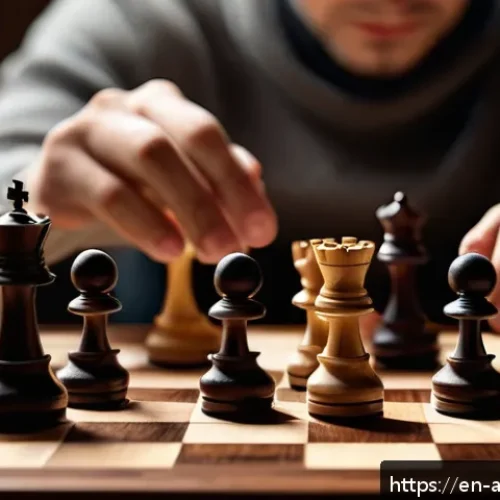
There’s something irreplaceable about physically holding a chess piece, feeling its texture and weight as you deliberate your next move. Unlike clicking a mouse or tapping a screen, the act of moving a piece on a wooden or plastic board demands a slower, more thoughtful interaction.
This tactile engagement subtly encourages deeper concentration and patience, qualities often lost in the rapid-fire pace of digital games. Personally, when I play on a physical board, I notice how the deliberate motion of my fingers shifting a knight or bishop grounds me, bringing a calm focus that’s hard to replicate online.
The Visual and Spatial Awareness Boost
Analog chess offers an unmatched spatial perspective. Seeing the pieces arranged on a tangible board allows players to better visualize future moves and anticipate threats.
This three-dimensional awareness is naturally enhanced when you can physically touch and move the pieces, compared to staring at a flat screen. Many players, including myself, find that this physical setup strengthens memory and pattern recognition, as the pieces’ positions are constantly reinforced through sensory interaction.
It’s like the board becomes a living puzzle that you’re constantly rearranging and reimagining in real time.
A Break from Screen Fatigue
After hours of digital exposure, whether for work or leisure, the simple pleasure of analog chess offers a refreshing break. The absence of glowing screens and pixelated graphics feels soothing to the eyes and mind.
Playing in person allows for a more relaxed environment where interruptions like notifications are absent, creating a sanctuary for focused play. This aspect alone makes analog chess a favorite pastime for those craving mindful downtime, and it’s something I’ve personally come to appreciate more with each offline game session.
Social Connections Beyond the Virtual Realm
Building Bonds Through Face-to-Face Interaction
Unlike online platforms where communication can be limited to text or voice chat, sitting across from an opponent in real life creates a unique social dynamic.
The subtle nuances of body language, eye contact, and shared laughter enrich the experience far beyond the game itself. I’ve noticed how a simple chess match can spark genuine friendships and foster community, especially in local clubs or board game cafes.
This human connection is a powerful antidote to the isolation many feel in today’s digital age.
Learning and Growth in a Communal Setting
Offline chess environments often encourage mentorship and learning through direct observation and discussion. Watching an experienced player analyze a position or offering tips during a casual game adds layers of educational value that online tutorials sometimes lack.
Being part of a community also motivates consistent practice, as friendly competition and support push players to improve. Personally, I’ve grown my skills faster in face-to-face settings where feedback is immediate and personal.
The Rise of Chess Cafes and Clubs
The growing popularity of chess cafes and offline meetups speaks volumes about the demand for real-world interaction. These spaces provide a cozy, social atmosphere where players of all skill levels can gather, share strategies, and enjoy the game together.
The ambiance—complete with coffee aromas and comfortable seating—makes the experience inviting and leisurely. From my visits to these cafes, I’ve seen how they serve as cultural hubs, blending the love of chess with social engagement, and creating a vibrant community vibe.
Mindfulness and Mental Benefits
Chess as a Form of Meditation
Engaging in a chess game offline often feels like a meditative practice. The focused attention required to plan moves and anticipate your opponent’s strategy quiets the mind and blocks out distractions.
This state of flow, where time seems to slow down, is both calming and invigorating. From my experience, this mindful engagement helps reduce stress and improve mental clarity, making analog chess not just a game but a mental wellness tool.
Enhancing Cognitive Skills Naturally
Playing chess offline sharpens critical thinking, problem-solving, and memory. The physical presence of the board and pieces reinforces learning and retention in ways that digital play sometimes fails to do.
For example, visualizing complex sequences is easier when you can manipulate the pieces yourself. I’ve found that this kinesthetic involvement helps me better understand openings, tactics, and endgames, boosting overall cognitive agility.
Developing Patience and Emotional Control
Analog chess teaches patience and emotional resilience. When a move goes wrong or a game is lost, the slow pace encourages reflection rather than frustration.
The face-to-face nature means you often see your opponent’s reactions, which helps develop empathy and sportsmanship. Over time, this nurtures emotional control and grace under pressure—qualities that extend well beyond the chessboard.
Comparing Analog and Digital Chess Experiences
Immediate Feedback vs. Deliberate Play
Digital chess platforms often provide instant analysis and move suggestions, which can speed up learning but sometimes reduce the satisfaction of discovery.
Analog chess, by contrast, demands patience and independent thinking without automated hints, fostering deeper strategic understanding. In my personal journey, I’ve found that while digital tools are helpful, the most meaningful insights come during offline games when you wrestle with problems on your own.
Accessibility and Convenience Factors
Digital chess offers unparalleled convenience—you can play anytime, anywhere, and against players worldwide. However, this ease sometimes comes at the cost of immersive experience and social interaction.
Analog chess requires a physical board and an opponent nearby, which can be less flexible but more rewarding in creating memorable moments. Balancing both formats based on context has been my approach to enjoying the best of both worlds.

Emotional Engagement and Memory Retention
The emotional highs and lows of an offline chess game—celebrating a brilliant move or recovering from a blunder—are more vivid when playing face-to-face.
These experiences stick with you longer and deepen your connection to the game. Digital games can sometimes feel transactional, but analog chess builds stories and memories that linger.
This emotional engagement is a big reason why many players, myself included, cherish traditional chess.
| Aspect | Analog Chess | Digital Chess |
|---|---|---|
| Interaction | Physical pieces, tactile engagement | Mouse clicks, touchscreen taps |
| Social Experience | Face-to-face, body language, community | Online chat, limited nonverbal cues |
| Learning Support | Peer advice, live observation | Instant analysis, tutorials |
| Accessibility | Requires physical setup and opponent | Available anytime, global opponents |
| Emotional Impact | High, memorable personal moments | Often transactional, less emotional |
| Mental Engagement | Encourages patience, deep thinking | Faster play, sometimes superficial |
The Role of Tradition and Nostalgia
Connecting with Chess History
Playing chess offline links us to centuries of tradition. The ritual of setting up the board, the familiar sound of pieces clicking on wood, and classic opening moves evoke a sense of continuity with generations past.
This connection often adds meaning to the game, making it feel like more than just a pastime. Personally, I find this historical depth adds richness to each match, reminding me that I’m part of a timeless intellectual pursuit.
Nostalgia for Simpler Times
In a world saturated with digital distractions, analog chess offers a nostalgic return to simpler pleasures. Many players reminisce about childhood memories of playing with family or friends around a physical board, a feeling that digital chess rarely replicates.
This nostalgia not only enhances enjoyment but also motivates players to introduce the game to younger generations, preserving its legacy.
Preserving Cultural Rituals
Analog chess often comes with its own set of cultural rituals—whether it’s the way pieces are arranged, the etiquette of the game, or the atmosphere of chess clubs.
These traditions enrich the experience and foster a sense of belonging. From my visits to different chess communities, I’ve witnessed how these rituals create bonds and a shared identity among players, reinforcing the game’s social and cultural importance.
Chess as a Mindful Escape in a Hyperconnected World
Detaching from Digital Overload
The deliberate pace and quiet focus of offline chess provide a welcome respite from the constant barrage of notifications and information online. Playing physically allows for a break from multitasking and digital noise, encouraging presence and mindfulness.
I’ve often found that even a short analog game helps reset my mental state and reduces feelings of overwhelm.
Encouraging Deep Focus and Flow
Analog chess naturally fosters a state of flow—complete immersion in the task at hand. Without the distractions common in digital environments, players can fully engage their minds, leading to improved concentration and satisfaction.
Personally, these flow moments during physical play feel rewarding and rejuvenating, making chess an ideal mindful hobby.
Creating Meaningful Offline Rituals
Setting aside time to play chess offline can become a cherished ritual that anchors one’s day or week. Whether it’s a regular meetup at a local club or a quiet game at home, these rituals foster balance and intentional living.
From my experience, such consistent offline engagements improve mental well-being and provide a sense of accomplishment beyond the digital realm.
In Conclusion
Playing chess on a physical board brings a unique depth to the game that digital versions often miss. The tactile experience, social interactions, and mindful focus combine to create a richer, more rewarding engagement. Whether for mental exercise, relaxation, or connection, analog chess holds timeless appeal in our fast-paced world. Embracing both formats can help players enjoy the best of both convenience and tradition.
Helpful Information to Keep in Mind
1. Holding and moving real chess pieces enhances concentration and deepens strategic thinking, offering a sensory connection that digital play lacks.
2. Face-to-face chess fosters meaningful social bonds and community growth, which are harder to replicate through online platforms.
3. Offline chess provides a refreshing break from screen fatigue, promoting mindfulness and mental clarity through slower, focused gameplay.
4. While digital chess offers convenience and instant feedback, balancing it with analog play improves learning and emotional engagement.
5. Chess’s rich traditions and rituals, preserved in offline play, connect us to history and nurture a shared cultural identity among players.
Key Takeaways
Engaging with analog chess offers much more than just a game—it’s an immersive experience that nurtures patience, social connection, and cognitive growth. The physical interaction with pieces, combined with the social atmosphere of clubs or cafes, creates a meaningful environment that digital platforms can’t fully replicate. Incorporating offline chess into your routine can improve mental wellbeing and provide a mindful escape from digital overload, making it a valuable practice for players of all levels.
Frequently Asked Questions (FAQ) 📖
Q: uestionsQ1: Why is analog chess still popular despite the rise of digital games?
A: Analog chess offers a unique, tactile experience that digital versions simply can’t replicate. Moving physical pieces on a real board engages multiple senses, creating a deeper connection to the game.
Many players find the quiet, focused environment around a traditional chessboard refreshing compared to the often hectic online gaming world. Plus, the social aspect of face-to-face matches builds camaraderie, making it more than just a game—it’s a shared experience.
Q: How do board game cafes and offline chess clubs contribute to the resurgence of analog chess?
A: Board game cafes and offline chess clubs provide welcoming spaces where people can disconnect from screens and enjoy in-person interaction. These venues foster communities around chess, encouraging beginners and experts alike to meet, learn, and challenge each other.
From my own visits to local cafes, I’ve noticed that the atmosphere sparks enthusiasm and keeps players coming back, proving that analog chess thrives on social connection and shared passion.
Q: Can playing analog chess help improve mental well-being in today’s fast-paced digital world?
A: Absolutely. Playing analog chess demands concentration, strategic thinking, and patience, which can serve as a mindful break from constant digital distractions.
In my experience, sitting down for a game slows the mind and reduces stress, offering a form of mental exercise that sharpens focus and problem-solving skills.
This unplugged approach can be a perfect antidote to our hyperconnected lives, helping players recharge and stay mentally sharp.