Bridging the Gap Between Digital Innovation and Analog Charm: How Hybrid Technologies Are Shaping Our Future

webmaster

디지털과 아날로그의 융합 - A cozy modern living room featuring a smart thermostat with a large, elegant rotary knob made of bru...

In a world where rapid digital advancements often overshadow the timeless appeal of analog experiences, a fascinating shift is underway. Hybrid technologies are emerging as the perfect blend, marrying innovation with nostalgia to create solutions that feel both cutting-edge and familiar.

디지털과 아날로그의 융합 관련 이미지 1

Whether it’s smart home devices with tactile controls or digital art embracing traditional techniques, this fusion is reshaping how we interact with technology daily.

As we navigate this evolving landscape, understanding the balance between digital convenience and analog charm becomes essential. Let’s explore how these hybrid innovations are not just trends but the foundation of a more connected and enriched future.

Reviving Tangibility in a Digital Age

The Allure of Physical Interaction

There’s something undeniably satisfying about pressing a real button or flipping a physical switch, especially when most gadgets now rely on touchscreens or voice commands.

I’ve noticed that smart home devices featuring tactile controls—like rotary dials or mechanical sliders—offer a comforting sense of control and precision that purely digital interfaces often lack.

This tactile feedback creates a more intimate connection between user and device, making technology feel less distant and more human. For instance, turning a physical knob to adjust lighting intensity feels more deliberate and engaging compared to swiping on a screen.

This blend of old-school mechanics with modern smart tech bridges the gap between familiarity and innovation, inviting users to rediscover joy in hands-on interactions.

Incorporating Analog Design in Modern Devices

Designers are cleverly weaving analog elements into contemporary gadgets to evoke nostalgia while delivering cutting-edge functionality. Think of wristwatches that combine mechanical movement with smart notifications or cameras that use digital sensors but mimic the look and feel of classic film models.

These hybrids respect the craftsmanship of analog technology but enhance it with digital convenience. From a user’s perspective, this approach offers the best of both worlds: the warmth and personality of analog paired with the efficiency and connectivity of digital.

Personally, I find these designs refreshing; they remind me that technology doesn’t always need to be sleek and minimalistic to be appealing—it can also tell a story and evoke emotion.

Why This Matters in Everyday Use

Embracing physical interaction in smart devices isn’t just about aesthetics; it fundamentally changes how we engage with technology daily. When controls are tangible, mistakes feel less likely, and learning curves become gentler, especially for users less comfortable with purely digital systems.

This can improve accessibility and user satisfaction, fostering longer device lifespans and reducing electronic waste. Moreover, the sensory experience of analog components can ground us in the moment, offering a subtle respite from the overwhelming pace of digital life.

From my own experience, gadgets that offer this balance encourage me to slow down and appreciate the process, whether it’s adjusting sound levels or setting timers, making technology feel like a partner rather than a barrier.

Advertisement

Crafting Creativity: When Tradition Meets Technology

Digital Art with a Handcrafted Soul

Artists today are merging traditional techniques like watercolor or charcoal with digital tools to create pieces that feel both contemporary and timeless.

Using tablets that simulate brush strokes or software that blends textures mimicking paper grain, creators maintain the tactile essence of analog media while benefiting from digital flexibility.

This hybrid approach opens up endless possibilities: layers can be adjusted endlessly, mistakes undone instantly, and artwork shared globally with a click.

As someone who dabbles in digital sketching, I’ve found that this fusion allows me to preserve the spontaneity and imperfection of hand-drawn art while leveraging the precision and convenience of modern technology.

It’s an exciting evolution that broadens creative horizons without sacrificing authenticity.

Preserving Heritage Through Digital Archiving

Museums, galleries, and cultural institutions are increasingly digitizing analog art and artifacts, blending preservation with accessibility. High-resolution scans and 3D modeling technologies allow people worldwide to experience works in detail that might otherwise be impossible due to geographic or physical constraints.

Yet, these digital versions often include interactive elements that simulate the texture and depth of the original pieces, maintaining a sense of the physicality and craftsmanship involved.

This marriage of analog heritage and digital innovation ensures cultural treasures endure and remain relevant in a tech-driven era. I’ve personally visited virtual exhibits where the digital environment captured the atmosphere and detail so well that it almost felt like stepping into the actual gallery.

Enhancing Learning with Hybrid Art Tools

Art education is evolving too, combining physical media with digital platforms to enrich the learning process. Students can practice sketching on paper and then scan their work to manipulate it digitally, experimenting with colors or effects that traditional media can’t offer.

This approach encourages experimentation without fear of ruining a piece, fostering confidence and skill development. From a practical standpoint, hybrid tools also enable remote collaboration and critique, essential in today’s increasingly online learning environments.

Having tried this myself, the ability to blend hands-on creativity with digital editing has made my learning curve smoother and more enjoyable, proving that integrating analog and digital methods can truly elevate artistic growth.

Advertisement

Smart Living with a Personal Touch

Hybrid Controls in Smart Homes

Smart home technology often feels impersonal, relying on apps or voice assistants that can sometimes misinterpret commands. However, integrating physical controls—like dials, sliders, or switches—adds a layer of familiarity that enhances user experience.

For example, a smart thermostat with a rotating knob not only looks stylish but also provides precise temperature adjustments without the hassle of navigating menus.

This blend of analog and digital gives homeowners a sense of ownership and immediacy, making smart devices feel less like gadgets and more like natural extensions of their living spaces.

I’ve found that having these physical controls handy reduces frustration and increases my willingness to engage with my smart home system regularly.

Balancing Automation and Manual Override

One challenge in smart living is maintaining control when automation takes over. Hybrid devices offer manual overrides through tactile controls, allowing users to step in whenever they want.

This balance prevents feelings of helplessness and promotes trust in technology. For instance, smart lighting systems that include physical switches let users instantly change settings without relying solely on apps or voice commands, which might fail or lag.

This dual approach respects human preferences and acknowledges that sometimes, a quick manual adjustment is more efficient. Experiencing this firsthand, I appreciate how hybrid controls reduce dependency on complex interfaces and make automation feel more approachable and flexible.

Designing for Diverse User Needs

Hybrid devices cater to a wider range of users, including seniors or those less tech-savvy, by offering intuitive physical controls alongside digital features.

This inclusivity broadens market reach and enhances user satisfaction. Designing with empathy means recognizing that not everyone wants to interact with technology the same way.

Physical buttons or knobs provide tactile cues that can help users feel more confident and reduce errors. From my observations, devices that combine both control modes tend to receive better feedback and see higher engagement, proving that thoughtful design can bridge generational and skill gaps effectively.

Advertisement

Hybrid Interfaces: Where Usability Meets Emotion

Emotional Resonance Through Design

Technology that appeals solely to logic often misses an emotional connection, but hybrid interfaces can evoke feelings by combining the warmth of analog with the convenience of digital.

Textured surfaces, familiar sounds, or satisfying clicks trigger positive sensory responses, making devices more enjoyable and memorable. For example, a smart speaker with a softly glowing dial that responds to touch can feel more inviting than a cold, featureless box.

In my experience, these emotional design elements increase attachment to devices, encouraging longer use and loyalty. This emotional resonance is a powerful tool often overlooked in purely digital products.

Streamlining Complexity with Hybrid Feedback

Providing multiple feedback channels—visual, tactile, auditory—helps users navigate complex systems more intuitively. Hybrid devices can signal status changes through subtle vibrations or physical movements in addition to screen notifications.

This multisensory approach reduces cognitive load and helps users feel more in control. For instance, a hybrid keyboard that offers tactile feedback alongside on-screen prompts enhances typing accuracy and comfort.

I’ve noticed that when I get immediate, tangible feedback, I’m less likely to make mistakes and more inclined to explore advanced features, making the technology feel less intimidating.

Building Trust Through Familiarity

When new technology mirrors familiar analog cues, users tend to trust it more. This trust is crucial for adoption, especially for innovations that might initially feel unfamiliar or complex.

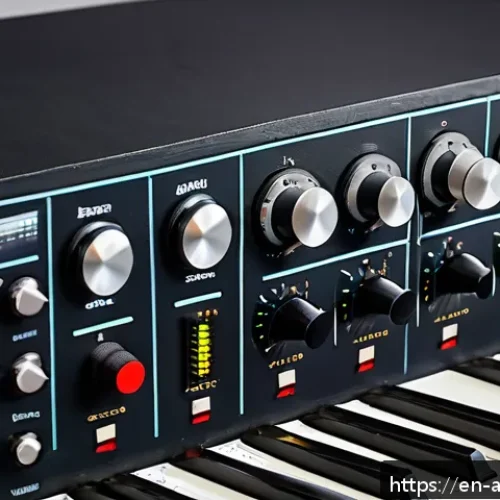
Hybrid designs leverage this psychological comfort by anchoring new functionalities in recognizable forms. For example, a digital audio mixer that resembles traditional hardware with sliders and knobs invites confidence from musicians accustomed to analog gear.

디지털과 아날로그의 융합 관련 이미지 2

From my interactions with various devices, this sense of familiarity often determines whether I embrace or abandon a new product. It’s a subtle but vital aspect of successful technology integration.

Advertisement

Balancing Sustainability and Innovation

Longevity Through Hybrid Design

Devices that combine analog durability with digital upgrades tend to last longer, reducing electronic waste. Physical controls often withstand wear better than fragile touchscreens, and hybrid designs allow easier repairs or component swaps.

This approach aligns with growing consumer demand for sustainable technology. Personally, I’ve kept hybrid devices longer because they feel robust and adaptable, contrasting with purely digital gadgets that quickly become obsolete or malfunction.

This durability not only benefits users but also contributes to environmental responsibility.

Reducing Energy Consumption

Incorporating analog elements can lower energy use by minimizing reliance on power-hungry digital displays or continuous connectivity. For example, a smart thermostat with a mechanical dial doesn’t need constant screen illumination, saving battery life.

This energy efficiency is especially valuable in portable or off-grid applications. From my perspective, this thoughtful integration makes technology more eco-friendly without sacrificing user experience, striking a balance between innovation and conservation.

Eco-Friendly Materials and Manufacturing

Hybrid devices often employ a mix of traditional materials like wood, metal, or glass alongside modern plastics and circuits. This blend allows designers to prioritize sustainable sourcing and recyclability.

Using natural materials not only enhances aesthetics and tactile appeal but also reduces environmental impact. In my observation, brands that emphasize this synergy tend to attract eco-conscious consumers, creating a market incentive for greener production practices.

This trend shows that sustainability and style can coexist harmoniously in tech design.

Aspect Analog Element Digital Enhancement User Benefit
Control Interface Physical knobs, switches, dials App integration, voice commands Intuitive use with flexible options
Feedback Click sounds, tactile bumps Visual notifications, haptic alerts Multi-sensory cues improve accuracy
Design Wood, metal finishes Customizable lighting, digital displays Warmth and personalization
Longevity Robust mechanical parts Upgradeable firmware Extended device lifespan
Energy Use Passive controls Smart scheduling Lower power consumption
Advertisement

Hybrid Experiences in Everyday Entertainment

Vinyl and Digital Music Fusion

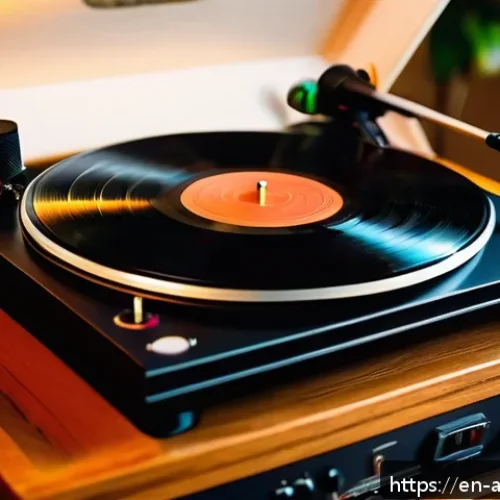
Music lovers have long debated analog warmth versus digital clarity, but now hybrid solutions offer the best of both. Turntables with USB outputs let enthusiasts enjoy the tactile ritual of vinyl while digitizing their collections for convenience.

Streaming services also incorporate curated analog-inspired playlists and sound enhancements that mimic vintage equipment. I’ve personally found that this combination enriches my listening experience, blending nostalgia with modern accessibility seamlessly.

It’s a perfect example of how hybrid approaches can revive old passions in a contemporary context.

Gaming with a Classic Feel

Retro gaming consoles are making a comeback, but with modern twists like HDMI output and wireless controllers. These hybrids maintain the pixelated charm and button layouts of the past while adapting to today’s technology standards.

This accessibility to classic gameplay with contemporary comfort appeals to both longtime fans and new players. Having played on such consoles recently, I appreciate how they preserve gaming history without sacrificing convenience or performance.

It’s a clever way to honor tradition while embracing progress.

Interactive Storytelling and Analog Roots

Board games and role-playing experiences are evolving by integrating digital apps that handle complex rules or dynamic narratives, freeing players to focus on social interaction and creativity.

This synergy enhances immersion without replacing the tactile and face-to-face elements that make analog games special. From my experience hosting hybrid game nights, the digital components add excitement and streamline gameplay, but the physical presence of pieces and dice keeps the experience grounded and social.

It’s a balanced evolution that keeps analog entertainment vibrant in a digital world.

Advertisement

Personal Productivity Reimagined

Note-Taking Beyond Paper and Pixels

Hybrid notebooks combine traditional pen-and-paper writing with digital capture, allowing handwritten notes to be stored, searched, and shared electronically.

This blend supports cognitive benefits associated with handwriting while leveraging digital organization and accessibility. I’ve used such notebooks extensively and found that writing by hand helps me retain information better, while digital backups prevent loss and enhance collaboration.

This approach respects the analog advantages while embracing digital efficiency, making it ideal for students and professionals alike.

Calendars and Planning Tools

Physical planners with digital sync capabilities let users enjoy the ritual of writing daily schedules while maintaining seamless updates across devices.

This duality helps reduce screen fatigue and keeps planning tangible yet flexible. In my routine, jotting down tasks on paper feels more deliberate and satisfying, while having a synced calendar ensures I never miss appointments.

Hybrid planners thus combine mindfulness with modern convenience, boosting productivity and well-being.

Hybrid Workspaces for Focus and Flexibility

Work environments increasingly blend analog and digital tools—whiteboards for brainstorming paired with cloud-based project management apps, or physical timers alongside software productivity trackers.

This integration supports diverse working styles and enhances focus by balancing tactile engagement with real-time collaboration. From personal experience, having tangible tools to visualize ideas alongside digital resources creates a richer, more adaptable workspace that caters to creativity and efficiency simultaneously.

Advertisement

Conclusion

Bringing analog elements back into our digital world enriches our daily interactions, making technology feel more personal and accessible. This fusion not only enhances usability but also fosters emotional connections and sustainability. As we embrace hybrid designs, we rediscover the joy of tangible experiences without sacrificing modern convenience.

Advertisement

Useful Information to Keep in Mind

1. Hybrid devices combine the tactile satisfaction of physical controls with the efficiency of digital features, offering the best of both worlds.

2. Incorporating analog elements improves accessibility, especially for users less comfortable with fully digital interfaces.

3. Emotional design aspects like textures and sounds strengthen user attachment and increase long-term engagement.

4. Hybrid designs contribute to sustainability by enhancing device longevity and reducing energy consumption.

5. Combining analog and digital tools supports creativity, productivity, and learning by balancing hands-on interaction with technological flexibility.

Advertisement

Key Takeaways

Integrating analog and digital technologies creates more intuitive, trustworthy, and enjoyable user experiences. This approach addresses diverse user needs, promotes environmental responsibility, and revitalizes traditional interactions in a modern context. Ultimately, hybrid designs offer a thoughtful balance that makes technology feel both innovative and human-centered.

Frequently Asked Questions (FAQ) 📖

Q: What exactly are hybrid technologies, and why are they gaining popularity?

A: Hybrid technologies combine the best of both digital and analog worlds, offering users innovative features alongside familiar, tactile experiences. Their popularity stems from the way they satisfy our craving for modern convenience without losing the comforting, hands-on interaction many of us value.
For instance, smart home devices that include physical buttons alongside app controls let people feel more connected and in control. This blend not only enhances usability but also appeals to a broad range of users who might be hesitant to fully embrace purely digital products.

Q: How do hybrid technologies improve user experience compared to fully digital or fully analog options?

A: From my own experience, hybrid technologies strike a perfect balance by addressing the limitations found in purely digital or analog devices. Fully digital products can sometimes feel impersonal or overwhelming, while purely analog ones might lack convenience or integration with other systems.
Hybrids provide intuitive tactile feedback, like turning a physical knob, while still offering smart features such as voice commands or remote access.
This combination often leads to faster learning curves, fewer frustrations, and a more satisfying interaction overall, making technology feel less like a barrier and more like an extension of everyday life.

Q: Are hybrid technologies just a passing trend, or do they have lasting potential in the future?

A: In my view, hybrid technologies are far more than a fleeting trend—they represent a thoughtful evolution in how we engage with technology. As digital innovation accelerates, people increasingly seek ways to maintain a human touch and authenticity in their interactions.
Hybrid solutions respond to this by blending nostalgia with innovation, fostering deeper connections with devices. Considering the growing demand for personalized and accessible tech, hybrid models are likely to become foundational, shaping the future of everything from home automation to digital art and beyond.

📚 References


➤ Link

– Google Search

➤ Link

– Bing Search

➤ Link

– Google Search

➤ Link

– Bing Search

➤ Link

– Google Search

➤ Link

– Bing Search

➤ Link

– Google Search

➤ Link

– Bing Search

➤ Link

– Google Search

➤ Link

– Bing Search

➤ Link

– Google Search

➤ Link

– Bing Search

➤ Link

– Google Search

➤ Link

– Bing Search

➤ Link

– Google Search

➤ Link

– Bing Search