Analog Tape Recording The 7 Secrets to Achieving That Legendary Sound

webmaster

아날로그 테이프 레코딩 - **Prompt 1: The Soulful Resonance of Analog Warmth**
    "A cozy, dimly lit listening room bathed in...

Hey everyone, it’s your audio enthusiast here, and let me tell you, there’s just something profoundly magical about the rich, warm embrace of analog tape.

아날로그 테이프 레코딩 관련 이미지 1

In an age dominated by pristine digital precision, I’ve personally felt that unique pull, the satisfaction of hands-on creation, and the incredibly rich, warm sound that just can’t be perfectly replicated digitally.

The resurgence of analog tape recording isn’t merely about nostalgia; it’s a vibrant movement echoing through the music industry and audiophile communities worldwide.

Artists are intentionally choosing this classic medium for its unmistakable sonic character, a distinct ‘vibe’ that adds incredible soul and depth to their tracks, and listeners are actively seeking out those recordings for an authentic experience that connects them directly to the source.

From indie labels to major studios investing in new reel-to-reel machines, to the development of cutting-edge tape formulations, we’re witnessing a fascinating blend of old-school craftsmanship meeting modern sensibilities.

If you’ve ever wondered why this tangible medium is making such a compelling comeback, or simply want to discover the profound difference it can make in your listening experience, then you’re absolutely in the right place.

Let’s dive into the captivating world of analog tape recording and uncover its enduring charm together.

The Unmistakable Warmth: Why Analog Just *Hits Different*

You know, there’s just a certain je ne sais quoi about analog tape that digital, for all its undeniable precision, just can’t quite capture. I’ve spent countless hours, personally, both listening to and working with recordings made on tape, and every single time, I’m struck by the incredibly rich and full sound. It’s not just about fidelity in the technical sense; it’s about a feeling. The way the sound breathes, the subtle saturation it adds, and that almost intangible sense of depth that wraps around you. Digital might give you a crystal-clear snapshot, but analog, it feels like a living, breathing performance. It’s the sonic equivalent of film photography—there’s a unique texture, a beautiful imperfection that makes it utterly captivating. When I first truly experienced a high-quality analog playback, it wasn’t just hearing music; it was feeling it in a way I hadn’t before. It just fills the room, adding a warmth that can make even the most familiar tracks feel brand new again. It’s a truly immersive experience that pulls you in and holds you captive, reminding you why we fell in love with music in the first place.

The Sonic Embrace: Understanding Tape Saturation

One of the biggest secrets to that “analog sound” is tape saturation. It’s not a distortion in the harsh sense, but more like a gentle, musical compression that occurs when the magnetic particles on the tape reach their limit. Think of it as a natural limiter that subtly rounds off transients, evening out the dynamics and adding a harmonic richness that just sings. I remember the first time I pushed a vocal track a little too hard into a tape machine, expecting harshness, but instead, it just blossomed, gaining this incredible presence and warmth. It’s a magic trick that adds weight and glue to mixes, making everything feel more cohesive and powerful without sounding over-processed. This organic characteristic is incredibly hard to replicate digitally, despite all the amazing plugins out there. It’s a physical phenomenon, and that’s part of its charm.

The Organic Feel: Flutter, Wow, and Imperfection

While often seen as technical flaws, the subtle imperfections inherent in analog tape, like wow and flutter, actually contribute to its unique character. Wow refers to slow variations in pitch, and flutter refers to faster ones, both caused by slight inconsistencies in tape speed. Now, before you panic, we’re talking about incredibly subtle effects that are often imperceptible on a conscious level. However, they introduce a slight, organic movement to the sound that can make instruments feel more alive and less rigid. In a world of perfectly quantized, perfectly tuned digital audio, these tiny variations add a human touch, a gentle sway that can make music feel more emotive and less sterile. It’s like the slight variations in a singer’s voice that give it soul, rather than perfect auto-tune. This gentle sway contributes to the overall warmth and depth, preventing the sound from feeling “flat” or “two-dimensional.”

Beyond the Hype: Modern Artists Making Tape Their Canvas

It’s easy to dismiss the analog revival as pure nostalgia, a fleeting trend for music snobs. But honestly, from what I’ve witnessed, it’s far more profound than that. We’re seeing a genuine, artistic choice being made by a growing number of contemporary artists, from Grammy-winning superstars to independent bedroom producers. They’re not just doing it for the aesthetic; they’re doing it because it *changes* the music itself. I’ve spoken with countless engineers and artists who swear by tape for tracking drums, vocals, or even entire albums, citing the unique way it colors the sound and influences their creative process. It forces a certain discipline, an intentionality that digital convenience sometimes allows us to bypass. Think about the likes of Jack White, who has practically built an empire on his love for analog processes, or even major pop artists who secretly cut tracks to tape for that coveted punch and warmth before going digital for mixing. It’s a testament to its enduring sonic appeal and its power to inspire. This isn’t a retro fetish; it’s a calculated decision to achieve a specific, desirable sonic outcome that elevates their art and resonates deeply with listeners seeking a richer experience.

Indie Darlings and Studio Legends: Who’s Using Tape Now?

It’s fascinating to see the breadth of artists embracing analog tape. On one end, you have indie bands and lo-fi artists who deliberately use old reel-to-reel machines for a gritty, authentic sound that perfectly matches their aesthetic. They value the limitations and the character it imparts, creating something truly unique in a sea of polished digital tracks. On the other, you have established producers and engineers in high-end studios, meticulously recording specific elements, like a drum kit or a lead vocal, to a pristine 2-inch tape machine before transferring to digital for further manipulation. I’ve heard stories from engineers about how tracking drums to tape just makes them “sit” in the mix better, providing a solid foundation that’s hard to replicate otherwise. It’s a tool in their arsenal, a choice made to enhance particular aspects of a production. This isn’t about rejecting digital; it’s about selectively using the best of both worlds to achieve an unparalleled sonic tapestry.

The Creative Constraints: How Tape Shapes the Process

One thing I’ve personally found incredibly interesting about working with tape is how it influences the creative process. Unlike digital, where you have virtually endless tracks and undo buttons, tape forces you to be deliberate. You commit to takes, you commit to decisions. This might sound restrictive, but many artists find it incredibly liberating. It encourages you to perform better, to make choices that truly matter, and to capture moments rather than endlessly tweak. Imagine being in a studio with a finite number of tracks on a reel; every decision becomes more impactful. It’s like painting with a limited palette – you have to be more imaginative and precise. This constraint can often spark greater creativity, pushing musicians and engineers to focus on the performance and the core sound, rather than getting lost in endless possibilities. It creates a mindset of “getting it right at the source,” which, in my experience, often leads to more impactful and cohesive recordings.

Advertisement

Getting Hands-On: The Unique Workflow of Tape Recording

If you’ve ever watched a skilled engineer thread a reel of tape onto a machine, carefully aligning the heads, or marking splice points with a grease pencil, you’d understand that analog recording is as much a craft as it is a science. It’s a tactile, multi-sensory experience that fundamentally differs from clicking a mouse in a digital audio workstation. From the physical setup of the machine, the meticulous calibration, to the actual process of hitting record and watching the reels spin, every step feels deliberate and impactful. I remember my first time setting up a 2-track machine; it felt intimidating, but once the tape was rolling and I heard the sound come through, there was an immense sense of accomplishment. You’re not just pressing buttons; you’re actively engaging with the medium. There’s a certain magic in physically splicing tape, editing with a razor blade and sticky tape, knowing that every cut is irreversible and shapes the final product. This hands-on involvement fosters a deeper connection to the music and the recording process itself, an experience that many artists and engineers cherish and actively seek out. It’s a far cry from the abstract nature of digital workflows, and that tangible interaction is a huge part of its appeal.

The Art of Calibration and Maintenance

Maintaining a tape machine is an art in itself, and it’s something I’ve learned to appreciate deeply. Before every critical recording session, or even just for optimal playback, you need to calibrate the machine. This involves carefully aligning the playback and record heads, adjusting levels, bias, and equalization to get the most accurate and best-sounding signal onto and off the tape. It’s a precise dance with test tones and oscilloscopes, ensuring that the machine is performing at its peak. While it might sound like a chore, this ritualistic preparation becomes part of the creative process. It ensures the integrity of the sound and gives you a deep understanding of your equipment. A well-maintained machine just sings, and the effort put into its care translates directly into superior sonic results. This meticulous attention to detail is a cornerstone of the analog experience, fostering a level of craftsmanship that’s truly rewarding.

The Joy of Physical Media and Storage

Beyond the recording process itself, there’s an inherent satisfaction in the physical nature of analog tape. You’re not dealing with abstract files on a hard drive; you’re holding a tangible reel, a physical artifact of your creation. Storing and cataloging tapes, labeling them carefully, and knowing exactly where your masters are adds a sense of permanence and gravitas to your work. I’ve got shelves of tapes, each one a memory of a session, a project, a piece of musical history. It’s a collection you can see, touch, and even smell. This physical embodiment of sound creates a stronger connection for both the creator and the listener. There’s a certain reverence that comes with handling a master tape that simply doesn’t exist with a hard drive. It reinforces the idea that what you’ve created is real, substantial, and enduring.

The Science Behind the Soul: Understanding Analog Sonics

While we often talk about the “feel” and “warmth” of analog tape, there’s some serious science underpinning these subjective descriptions. It’s not just magic; it’s a complex interplay of physics and electronics that gives analog its distinctive character. We’re talking about how magnetic particles interact, how signal compression works inherently, and the subtle ways that even the best electronics introduce unique characteristics. I’ve spent time diving into the technical specifications, trying to understand the nuances, and what I’ve discovered is that many of the beloved “artifacts” of analog are actually a result of its physical limitations, which paradoxically become its greatest strengths. The inherent non-linearity of tape, for example, is what contributes to that pleasant harmonic distortion and natural compression. It’s about how the signal is physically imprinted onto a medium, a process that is fundamentally different from the digital sampling of waveforms. Understanding these technical underpinnings only deepens my appreciation for the artistry involved in coaxing incredible sounds out of these machines. It’s a beautiful dance between engineering and artistic expression, where every subtle characteristic plays a role in the final sonic tapestry.

Frequency Response and Harmonic Content

One key area where analog and digital diverge is in their frequency response and how they handle harmonic content. While digital aims for flat, pristine reproduction, analog tape often has a slightly rolled-off high end and a gentle boost in the lower-mid frequencies, which contributes to that perceived “warmth” and “thickness.” More importantly, tape introduces subtle harmonic distortion—even-order harmonics that our ears perceive as pleasing and natural, adding richness and fullness to the sound. This isn’t distortion in a destructive sense, but rather an enhancement, akin to adding subtle spices to a dish. I’ve often found that instruments recorded to tape just sound “bigger” and “more present” in a mix, largely due to this enriched harmonic content. It’s a subtle but powerful effect that glues elements together and gives the overall sound a much more expansive and luxurious quality.

Dynamic Range and Noise Floor: The Trade-offs

It’s important to acknowledge that analog tape also comes with its own set of technical trade-offs, particularly regarding dynamic range and the noise floor. Digital audio can achieve an incredibly wide dynamic range and a virtually silent noise floor, thanks to its bit depth. Analog tape, by its very nature, has a more limited dynamic range and an inherent level of tape hiss. However, this isn’t necessarily a bad thing! The way tape compresses dynamics is often perceived as musical, preventing harsh peaks and adding a density to the sound. And as for tape hiss, it’s often perceived as part of the “vibe,” a subtle, organic texture that adds to the overall character rather than detracting from it. In fact, many producers purposefully embrace the hiss, or use noise reduction techniques only sparingly, to preserve that authentic analog feel. It’s a choice between clinical perfection and a living, breathing sonic texture.

Feature Analog Recording Digital Recording
Medium Magnetic Tape (Reel-to-reel, Cassette) Binary Data (Hard Drives, SSDs, Flash Memory)
Sound Characteristics Warmth, Saturation, Natural Compression, Harmonic Richness Pristine Clarity, Accuracy, Wide Dynamic Range, Low Noise Floor
Workflow Tactile, Hands-on, Physical Editing (Splicing), Deliberate Mouse-driven, Software-based, Non-destructive Editing, Flexible
Maintenance Regular Calibration, Cleaning, Demagnetization Required Software Updates, Data Backup and Management
Longevity (Archival) Susceptible to degradation (print-through, shedding), requires proper storage Susceptible to file corruption, obsolescence, requires robust backup strategy
Cost (Entry Level) Higher initial investment for machines and tape Lower initial investment for basic software and interface
Advertisement

Investing in Authenticity: Building Your Analog Setup

For many, the allure of analog isn’t just about listening; it’s about participating. Building your own analog recording or playback setup can be an incredibly rewarding journey, albeit one that requires a bit of patience and research. It’s a commitment, for sure, but the personal satisfaction you get from curating your own sonic sanctuary is unparalleled. I’ve seen firsthand how people transform spare rooms into dedicated analog havens, carefully selecting each component. Whether you’re hunting for a vintage reel-to-reel deck for recording or a high-end cassette player for playback, there’s a vibrant community and a wealth of knowledge out there to guide you. It’s not about having the biggest or most expensive gear; it’s about finding pieces that resonate with you and bring you closer to the music. The hunt for that perfect vintage amplifier, or the right tape formulation, becomes part of the adventure. There’s a beautiful sense of history and craftsmanship in these machines, and bringing them back to life in your own space is a truly special experience. It’s an investment, not just of money, but of time and passion, and the sonic rewards are absolutely worth it.

Scouring for Gems: Vintage Gear and Where to Find It

The world of vintage analog gear is a treasure trove, but you need to know where to look. Flea markets, estate sales, online marketplaces, and specialized audio forums are often the best places to unearth fantastic machines. I’ve personally had great luck finding incredible deals on classic decks that just needed a bit of TLC. The key is patience and a keen eye for potential. Don’t be afraid of units that need some minor repairs; often, a good cleaning, new belts, or some basic electronic work can bring an old machine back to life, and there are many online resources and skilled technicians who can help. It’s also worth looking into refurbished units from reputable sellers who specialize in vintage audio. While they might cost a bit more upfront, you’ll often get a machine that’s been thoroughly serviced and is ready to perform, saving you headaches down the line. The thrill of finding that perfect piece of gear is a huge part of the analog journey, and it often leads to unexpected discoveries.

Essential Components for Your Analog Oasis

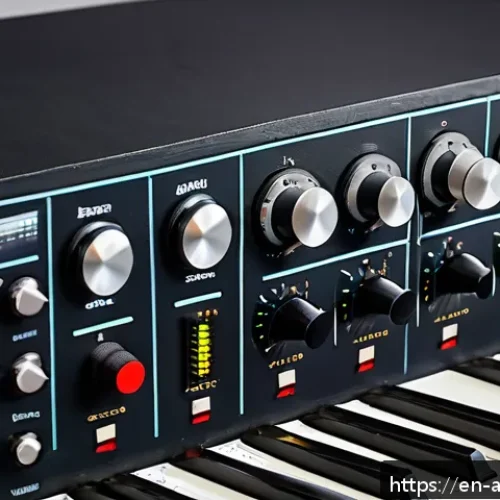
So, what do you actually need to start your analog journey? For playback, a good quality turntable (if you’re into vinyl, which often goes hand-in-hand with tape love), a solid amplifier, and a pair of speakers are your foundation. If you’re focusing on tape, then a well-serviced reel-to-reel deck or a high-quality cassette player is paramount. For recording, you’ll need the tape machine itself, of course, microphones, a mixing console (even a small one), and potentially some outboard gear like preamps or compressors. Don’t forget the tape! New tape formulations are being made today, but vintage stock can also be fantastic if stored properly. Cables, cleaning kits, and demagnetizers are also crucial for maintaining your equipment. It can feel like a lot to take in at first, but start with the basics, learn as you go, and expand your setup gradually. Each addition to your analog oasis will bring you closer to that perfect, rich sound you’re chasing, and you’ll find immense satisfaction in building it piece by piece.

아날로그 테이프 레코딩 관련 이미지 2

The Future is Retro: Innovations in Tape Technology

You might think analog tape is a relic, a technology frozen in time, but nothing could be further from the truth! It’s a truly exciting time because we’re witnessing a fascinating blend of old-school principles with modern innovation. Far from being a dying art, the analog tape industry is actually seeing a resurgence in manufacturing and development. Companies are investing in new formulations of magnetic tape, designed to offer improved performance, greater archival stability, and even higher output levels. This isn’t just about recreating what was; it’s about pushing the boundaries of what analog can achieve. I’ve read about incredible breakthroughs in material science that are making new tapes more resilient and sonically superior to some of their predecessors. This ongoing evolution means that the “golden age” of analog might not just be in the past; we could be living through a new one right now. It’s truly inspiring to see engineers and scientists passionate about refining this classic medium, ensuring its relevance and expanding its capabilities for future generations of artists and audiophiles. The commitment to innovation ensures that analog tape isn’t just surviving, it’s thriving and constantly getting better.

New Tape Formulations and Manufacturing

It’s genuinely amazing that new magnetic tape is still being manufactured today, and not just in small batches! Companies like RMGI and ATR Magnetics are producing high-quality, professional-grade reel-to-reel tape that meets or even exceeds the specifications of some of the legendary tapes from decades past. These modern formulations offer improved consistency, lower noise, and better high-frequency response, making them a joy to work with. I’ve personally tried some of these new tapes, and the results are truly impressive. They’ve managed to maintain that classic analog character while improving on areas like shedding and print-through, which were common issues with older stock. This commitment to new manufacturing means that the medium is sustainable and accessible for new generations of artists and enthusiasts, ensuring that the sound of analog will continue to evolve and inspire for many years to come. It’s a testament to the enduring demand and the dedication of these specialized manufacturers.

Resurgence of Tape Machine Manufacturing and Servicing

Beyond the tape itself, there’s also a growing interest in manufacturing new analog tape machines and, crucially, providing expert servicing for existing ones. While truly brand-new, studio-grade reel-to-reel machines are still a niche market, we’re seeing some exciting developments and prototypes. More importantly, the ecosystem for maintaining vintage machines is flourishing. Skilled technicians who specialize in restoring and servicing classic Studers, Ampexes, and Otari decks are in higher demand than ever. Parts are being manufactured again, and communities dedicated to sharing knowledge and repair tips are vibrant. I’ve even seen small companies offering modifications and upgrades for older machines, enhancing their performance for modern studios. This robust support system is vital for the long-term health of analog recording, ensuring that these incredible pieces of engineering can continue to make music for decades to come. It’s a beautiful cycle of preservation and innovation.

Advertisement

Why Audiophiles are All In: The Ultimate Listening Experience

For dedicated audiophiles, the pursuit of the ultimate listening experience is a lifelong journey, and for an increasing number, that path inevitably leads back to analog tape. It’s more than just a preference; it’s a belief in a fundamentally superior way of reproducing sound, a connection to the original performance that digital, for all its merits, often struggles to replicate. When you sit down with a master tape copy or a meticulously recorded analog album, there’s an immersive quality, a three-dimensional soundstage, and a realism that can send shivers down your spine. I’ve experienced it myself – a well-engineered analog recording on a high-end system doesn’t just play music; it transports you into the recording space. You hear the air around the instruments, the subtle nuances of performance, and a coherence that feels utterly natural. It’s not about perfect measurements on a graph; it’s about the emotional impact, the sheer enjoyment, and the ability of the music to truly move you. This isn’t just about sound quality; it’s about the soul of the music, perfectly preserved and presented in a way that truly connects with the deepest parts of your being.

Master Tape Copies: The Holy Grail of Sound

If you really want to understand why audiophiles go gaga for analog, you need to experience a master tape copy. These are copies made directly from the original studio master tapes, often running at high speeds like 15 or 30 inches per second (ips) on open-reel formats. Playing one of these on a perfectly calibrated machine is, in my honest opinion, the closest you can get to being in the studio with the artists. The dynamic range, the clarity, the sheer amount of information preserved is astounding. I remember hearing a master tape copy of a classic jazz album, and it wasn’t just the music; it was the atmosphere, the space, the feeling of the musicians breathing. It was revelatory. These aren’t cheap, by any means, but for the discerning listener, they represent the pinnacle of audio reproduction, an uncompromised experience that showcases the full potential of analog tape. It’s a truly luxurious and immersive way to experience music, offering a level of fidelity that often surpasses even the highest-resolution digital formats.

Connecting with the Source: A Deeper Musical Immersion

Ultimately, the draw of analog tape for audiophiles, and frankly for anyone who truly loves music, boils down to a deeper connection with the source. When you’re listening to music recorded and played back on tape, there’s a directness, a purity that feels less processed, less abstracted. It’s about feeling closer to the original performance, to the decisions made by the artists and engineers in the studio. This tangible link fosters a more profound engagement with the music, allowing you to appreciate the artistry on a more intimate level. It’s a reminder that music is not just data; it’s emotion, intention, and human expression. In an increasingly digital and often sterile world, the warmth and authenticity of analog tape offer a welcome refuge, a way to truly immerse ourselves in the beauty and complexity of sound. It’s an experience that nourishes the soul and deepens our appreciation for the timeless art of music, truly bringing it to life in a way that feels utterly natural and heartfelt.

Wrapping Things Up

Well, as we wrap up this deep dive into the enchanting world of analog tape, I hope you’ve felt that spark of understanding for why it continues to captivate so many of us. It’s more than just a format; it’s a tangible connection to the music, offering a warmth and depth that truly touches the soul. Personally, I find it to be an incredibly rewarding journey, constantly reminding me of the profound artistry behind every sound. Embrace the imperfections, cherish the process, and let the undeniable charm of analog elevate your listening experience to something truly special.

Advertisement

Handy Analog Tips & Tricks

1. Always calibrate your tape machine before critical listening or recording sessions. It ensures optimal sound quality and extends the life of your tapes, giving you the best possible sonic experience every time.

2. Properly store your tapes vertically in cool, dry conditions, away from strong magnetic fields, to prevent print-through, shedding, and other forms of degradation, preserving your precious recordings for decades to come.

3. When buying vintage gear, always ask for a demonstration or photos of it working. A little extra research upfront can save you a lot of headaches and ensure you’re getting a worthwhile investment.

4. Regularly clean your tape heads, pinch rollers, and guides with appropriate cleaning solutions. This simple maintenance step is crucial for preventing audio dropouts, maintaining pristine sound reproduction, and protecting your tapes.

5. Don’t shy away from modern tape formulations! Companies are producing excellent new tapes that combine classic character with improved performance, greater durability, and enhanced longevity, offering the best of both worlds.

Key Takeaways

At its core, analog tape offers a distinct warmth, harmonic richness, and a unique, ‘human’ feel that digital often can’t replicate, creating an emotional and immersive listening experience. It encourages a deliberate, hands-on creative workflow that many artists find inspiring, fostering a deeper connection to the music-making process. Despite its historical roots, ongoing innovations in tape and machine manufacturing, coupled with a passionate global community, ensure its continued relevance and growth in the modern audio landscape. For audiophiles and music lovers alike, it presents an unparalleled opportunity for a deeply connecting listening experience, proving that sometimes, the ‘old ways’ truly are the most soulful and enduring.

Frequently Asked Questions (FAQ) 📖

Q: So, what’s the real buzz about analog tape’s sound quality compared to today’s crisp digital recordings? Is it just a nostalgic thing, or is there genuinely a sonic advantage?

A: Oh, absolutely, it’s so much more than just nostalgia! When we talk about the sonic difference between analog tape and digital, we’re really diving into two fundamentally different ways of capturing sound, and honestly, each has its own unique charm.
Digital recording, in its essence, takes snapshots of sound waves – like a super-fast series of still photos. It’s incredibly precise, clean, and can reproduce sound with amazing clarity and detail.
But sometimes, in striving for that perfect precision, digital can feel a little… well, sterile to some ears. Analog tape, on the other hand, captures sound as a continuous wave, embedding the magnetic particles on the tape with the actual nuances of the audio signal.
What happens during this process is magical: you get a natural saturation and compression that adds a gorgeous warmth, a subtle harmonic richness, and a certain “glue” that just makes everything sound more cohesive and organic.
I remember the first time I really listened critically to a track recorded directly to tape versus its digital counterpart; it was like the digital version was a perfect blueprint, but the tape version breathed.
It had a soul, a depth, and an indescribable texture that just wrapped around you. It’s not about one being “better” than the other in an objective sense, but rather about the distinct character and emotional impact that analog tape inherently brings to the music.

Q: With all the modern recording tech we have, why are artists and producers intentionally going back to something as seemingly ‘old school’ as analog tape? Is it practical for today’s music creation?

A: That’s a fantastic question, and it really gets to the heart of this analog revival! You’d think in an age of limitless digital tracks and plugins, people would embrace convenience above all else.
But what I’ve seen firsthand, and what so many artists tell me, is that choosing analog tape is a deliberate artistic decision, not a step backward. It’s absolutely practical for modern music creation, but it changes the approach.
For one, the limitations of tape – the finite number of tracks, the commitment to takes, the physical editing – can actually spark incredible creativity.
It forces artists to be more intentional, to perform better, and to really nail a take because endless “undo” buttons aren’t an option. Then there’s the sound itself, which we just touched upon; that unmistakable warmth and unique harmonic distortion is something many artists want as part of their sonic signature.
It’s like choosing a vintage guitar amp over a pristine digital model for its specific tone and feel. From a production standpoint, many engineers find that instruments recorded to tape just sit better in a mix, requiring less post-processing.
Plus, there’s a tactile, almost ritualistic aspect to working with tape – threading the reels, punching in and out – that provides a profoundly satisfying, hands-on experience in a world often dominated by screens.
It adds a tangible element to the creative process that many find invaluable.

Q: I’m really intrigued by this, but I have no idea where to even start! How can a regular music lover like myself experience the true magic of analog tape, or even dip my toes into this world without breaking the bank?

A: I totally get that feeling – it can seem a bit daunting from the outside, but trust me, experiencing the magic of analog tape is more accessible than you might think!
First, the easiest way to start is by actively seeking out music that was recorded and mixed using analog tape. Many audiophile labels and even mainstream artists will proudly state their recording methods.
Look for remastered vinyl records where the mastering chain was kept analog as much as possible, or even high-resolution digital transfers directly from the master tapes.
You’ll often hear a significant difference in depth and presence. If you want to get a bit more hands-on, consider attending local audiophile shows or even reaching out to a nearby recording studio.
Many studios that utilize tape love to share their passion, and you might get a chance to see and hear a reel-to-reel machine in action. For those looking to “dip their toes” at home without investing in a full tape deck setup (which, let’s be honest, can be a serious commitment!), you could explore high-quality tape emulation plugins for digital audio workstations.
While they won’t perfectly replicate the full analog experience, they can give you a taste of that warmth and saturation on your own tracks. But honestly, for the purest experience, find a friend with a good turntable and a record known for its analog roots, close your eyes, and just listen.
It’s a journey, not a destination, and discovering those subtle sonic nuances is part of the fun!

Advertisement