Unlock Analog Brilliance Your Camera Manual Demystified

webmaster

아날로그 카메라 매뉴얼 - **Prompt 1: Intent Study of a Vintage Camera Manual**
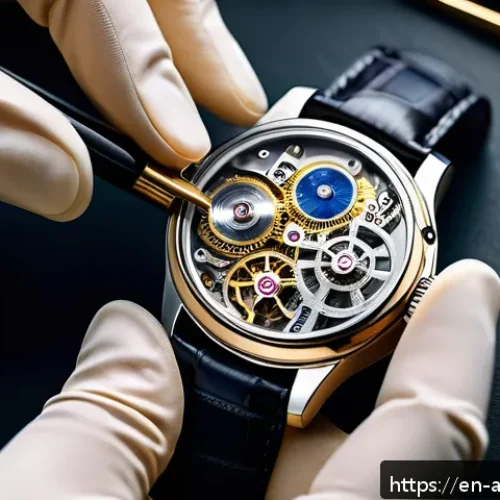
    A close-up shot of a person's hands, neatl...

Have you felt that familiar tug lately, the one pulling you back to the tangible, the authentic? It’s no secret that analog photography is having a massive moment, and frankly, I’m absolutely loving it!

There’s just something incredibly satisfying about slowing down, understanding each setting, and truly *making* an image rather than just taking one. But let’s be real, those beautiful vintage cameras often come with their own mysteries, especially if you’re stepping away from the digital world for the first time.

Navigating those intricate dials and levers can feel like learning a new language, and that’s exactly where your camera’s manual becomes your best friend and guide.

Let’s unlock those secrets together and get you shooting film like a pro.

Unlocking Your Camera’s True Potential

아날로그 카메라 매뉴얼 - **Prompt 1: Intent Study of a Vintage Camera Manual**
    A close-up shot of a person's hands, neatl...

Let’s be honest, when you first get your hands on a beautiful vintage camera, the instinct is often to just load some film and start clicking. I totally get it – the excitement is palpable!

But trust me, taking a moment to truly understand what your camera is capable of, right from its very own manual, is a game-changer. It’s not just about learning how to operate it; it’s about discovering the unique quirks and hidden gems that make *your* camera special.

I remember when I first picked up an old Pentax K1000, I thought I knew film cameras. Oh boy, was I wrong! Diving into that yellowed manual revealed nuances about its metering system and lens compatibility that instantly elevated my shots from decent to genuinely striking.

It’s like finding the secret sauce to your grandmother’s famous recipe – you think you know it, but the little details make all the difference. This isn’t just theory; it’s practical knowledge that saves you wasted film and frustrating moments, turning potential setbacks into triumphs.

Understanding these foundational elements early on sets you up for a lifetime of rewarding analog photography, helping you push creative boundaries you didn’t even know existed.

Navigating the Initial Setup and Controls

Every analog camera, despite some universal principles, has its own unique layout and operating procedures. Before you even think about winding that first roll of film, spend some quality time with the manual to grasp the basic controls.

Where’s the film door release? How do you correctly load the film without exposing it? What about the film advance lever and rewind crank?

These might seem trivial, but a misstep here can ruin an entire roll. I once had a friend who spent a whole afternoon shooting, only to realize the film wasn’t properly engaged and hadn’t advanced at all!

The manual clearly illustrates these steps, often with diagrams, saving you from such heartbreaking errors.

Understanding Your Camera’s Unique Features

Beyond the basics, each camera model often boasts specific features that differentiate it. Maybe it’s a unique multiple exposure mechanism, a built-in spot meter, or a peculiar shutter release lock.

The manual is the ultimate guide to these often-overlooked functionalities. For instance, some older cameras have a depth-of-field preview lever that, without the manual, you might never discover.

These features, once understood, can dramatically expand your creative toolkit and help you capture images that truly stand out.

Deciphering the Dial and Lever Language

Walking through the different dials and levers on an analog camera can feel a bit like learning a new language. There’s no immediate digital readout telling you what everything does, and that’s part of the charm, but it can also be intimidating.

This is precisely where your camera’s manual becomes your personal Rosetta Stone. It breaks down the purpose of each intricate component, from the shutter speed dial to the aperture ring, and explains how they interact to form your image.

I vividly recall the confusion staring at an exposure compensation dial on a classic Leica for the first time. I’d seen them on digital cameras, but the manual for the Leica gave me such a profound understanding of *why* and *when* to use it effectively in varying light conditions, which wasn’t just about ‘fixing’ a picture, but intentionally shaping it.

It’s about empowering you to make informed decisions rather than just guessing. This deep dive into the controls isn’t just for advanced users; it’s foundational for anyone who wants to move beyond auto mode (if your analog camera even has one!) and truly *master* their photographic craft.

Mastering Shutter Speed and Aperture

These are the twin pillars of exposure, and the manual details how your specific camera’s shutter speed dial and aperture ring work. Understanding the range of speeds available (e.g., 1/1000s for freezing action vs.

1/30s for motion blur) and how different aperture settings (e.g., f/2.8 for shallow depth of field vs. f/16 for everything in focus) impact your image is crucial.

The manual will explain if your camera uses a coupled or uncoupled light meter, and how to best use these settings in conjunction with it.

The Role of the ISO/ASA Dial

Film speed, or ISO/ASA, is set directly on the film roll itself, but many cameras have a dial that lets you set this value on the camera body. This dial usually communicates with the camera’s light meter (if it has one) to ensure accurate readings for the specific film you’re using.

The manual explains where to find this dial and how to properly set it, which is essential for consistent exposure and avoiding incorrectly exposed negatives.

Advertisement

The Secret to Perfect Exposure: Beyond the Light Meter

Oh, the elusive “perfect exposure”! It’s what every photographer, digital or analog, strives for. With analog, it feels even more critical because there’s no instant preview screen to check your work.

While your camera’s built-in light meter (if it has one) is a fantastic starting point, relying solely on it can sometimes lead you astray, especially in tricky lighting situations.

This is where truly understanding your camera’s metering patterns and how to interpret them, often detailed in the manual, becomes your superpower. I remember shooting a snowy landscape once, trusting my camera’s center-weighted meter entirely.

When the scans came back, the snow was a dull grey – underexposed! The manual explained how my camera’s meter could be fooled by bright scenes, and how to compensate.

That knowledge shifted my approach from a reactive one to a proactive one, where I began to *think* about the light rather than just measuring it. It’s an empowering transformation that comes directly from those pages you might initially dismiss as boring.

Understanding Your Camera’s Metering System

Most analog cameras feature a built-in light meter, often using a center-weighted or average metering pattern. Your manual will meticulously describe how your specific meter works, what its limitations are, and how to interpret its readings.

It might explain how to use the “match needle” system or LED indicators to achieve proper exposure. Knowing these nuances helps you anticipate situations where the meter might be inaccurate, such as backlighting or scenes with extreme contrast.

Exposure Compensation and Bracketing

Sometimes, the meter’s recommendation isn’t what you want, or you’re unsure if it’s correct. This is where exposure compensation comes in. The manual will show you how to use this feature (if available) to intentionally over or underexpose by a certain amount (e.g., +1 EV for brighter results, -1 EV for darker).

It might also introduce the concept of bracketing, where you take multiple shots at different exposures, ensuring you capture at least one perfectly exposed image.

Caring for Your Classic: Maintenance and Longevity

Owning an analog camera isn’t just about shooting; it’s also about stewardship. These beautiful machines are often decades old, and treating them with respect and performing basic maintenance can ensure they continue to capture memories for many more years to come.

Your camera’s manual often contains a wealth of forgotten wisdom regarding care, cleaning, and storage. I once inherited a camera that had been sitting unused for years, and a quick glance at its manual outlined the correct method for cleaning the lens without damaging its delicate coatings – a crucial detail often overlooked.

It’s not just about keeping it looking pretty; it’s about maintaining its mechanical and optical integrity. Thinking of your camera as a delicate instrument that requires regular attention, rather than just a sturdy tool, will make a massive difference in its performance and lifespan, truly giving you a companion for your photographic journey.

Basic Cleaning and Storage Tips

The manual typically outlines recommended practices for cleaning your camera’s lens, mirror, and body. It will advise on using proper cleaning solutions and cloths to avoid scratching delicate surfaces or damaging coatings.

Furthermore, it often provides guidance on ideal storage conditions, such as keeping the camera in a cool, dry place, perhaps with a desiccant pack, to prevent mold and mildew growth which can be detrimental to both optics and mechanics.

Identifying Common Issues and Solutions

While the manual won’t turn you into a camera repair expert, it often has a troubleshooting section that addresses common operational issues. Is the shutter sticking?

Is the film advance lever jammed? These sections can sometimes provide simple solutions to problems that might otherwise send you spiraling into panic or an expensive repair shop visit.

Knowing these common fixes can save you time and money, and build your confidence in handling minor camera hiccups.

Component Common Function Manual Insights
Shutter Speed Dial Controls exposure time and motion blur. Specific ranges, “B” mode for long exposures, flash sync speed.
Aperture Ring Controls depth of field and light entering lens. Full stops, half stops, optimal sharpness aperture range.
Film Advance Lever Moves unexposed film into position after a shot. Correct winding technique, double exposure prevention.
Rewind Crank Rewinds exposed film back into its canister. Proper tensioning, knowing when film is fully rewound.
Focusing Ring Adjusts lens for sharp subject focus. Infinity focus, minimum focusing distance, depth of field scale.
Advertisement

Exploring Creative Possibilities and Accessories

아날로그 카메라 매뉴얼 - **Prompt 2: Photographer Mastering Analog Controls in an Urban Setting**
    A dynamic, medium shot ...

When you first start with analog, the sheer act of getting a correctly exposed, in-focus image can feel like a monumental achievement. But once you’ve got the basics down, that little manual often holds the keys to unlocking a whole new world of creative expression.

It’s not just about operating the camera; it’s about pushing its boundaries. I remember reading through the manual for an old Hasselblad and discovering its compatibility with different viewfinders and film backs, which instantly opened up possibilities for square format compositions and experimenting with various film types without changing cameras.

It transformed my approach from simply capturing scenes to actively crafting them. These aren’t just technical specifications; they’re invitations to experiment, to break free from conventional shooting, and to really make the camera an extension of your artistic vision.

Don’t let those pages go unread – they might just spark your next great photographic adventure!

Compatible Lenses and Filters

Your camera’s manual will often detail the types of lenses and filters that are compatible with your specific model. This information is invaluable when you’re looking to expand your kit, ensuring you invest in accessories that will actually work.

It might explain mount types (e.g., M42, Nikon F-mount) and the benefits of different focal lengths or filter effects (e.g., UV, polarizer, color filters for black and white film).

This knowledge helps you tailor your equipment to your creative goals.

Advanced Shooting Techniques

Many manuals, especially for more advanced cameras, include sections on specialized shooting techniques. This could range from specific instructions for using a self-timer effectively, to guidelines for multiple exposures, or even dedicated sections on flash photography.

Understanding these features from the manual provides a solid foundation for trying new things and adding more complexity and artistry to your film photography.

Troubleshooting Common Analog Woes

Let’s face it, no matter how much you love analog, things can sometimes go wrong. Film can get stuck, light leaks appear, or your shutter might start acting peculiar.

It’s an inevitable part of the journey, but it doesn’t have to be a source of constant frustration. This is where your camera’s manual truly shines as a first-responder guide.

Before you panic and assume your beloved camera is broken beyond repair, a quick check of the troubleshooting section can often provide surprisingly simple solutions.

I distinctly recall a moment when my film advance lever felt suspiciously loose, and I thought my camera was toast. A quick flip through the manual revealed a common issue related to incorrect film loading, a simple fix that saved me a potential repair bill and a lot of anxiety.

These sections are written by the very engineers who designed the camera, making them the ultimate authority on its quirks.

Identifying Light Leaks and Film Issues

Light leaks can be a film photographer’s nightmare, manifesting as unsightly streaks or fogging on your negatives. Your manual might offer insights into common areas where light leaks occur (e.g., worn foam seals, faulty film door) and provide preliminary steps for inspection.

Similarly, it might address other film-related issues like improper winding, leader exposure, or film flatness problems, helping you diagnose why your film isn’t turning out as expected.

Mechanical Sticking and Malfunctions

While serious mechanical issues require professional repair, many minor annoyances can be addressed with information from the manual. It could explain how to gently coax a sticky shutter blade back into action (if safe to do so), or how to clear a jammed film advance mechanism.

These sections are invaluable for basic maintenance and understanding what’s normal wear-and-tear versus a critical malfunction, empowering you to handle minor issues yourself.

Advertisement

The Joy of the Analog Workflow

Embracing analog photography isn’t just about the gear; it’s profoundly about the process. It’s a deliberate, thoughtful workflow that stands in stark contrast to the instant gratification of digital.

And surprisingly, your camera’s manual often subtly guides you into this mindset, even if it doesn’t explicitly say so. By forcing you to understand each step, from film loading to exposure settings, it inherently slows you down and encourages a more mindful approach to image-making.

I’ve found that the ritual of checking my manual for a specific setting before a shoot, or simply reviewing the camera’s capabilities, adds a layer of intention to my photography that I rarely experience with digital.

It transforms each shot into a considered act, rather than just another click. This deliberate pace, fostered by truly engaging with your equipment’s blueprint, enhances not just the outcome but the entire journey of creating an image, making every frame feel more significant and personally meaningful.

Cultivating a Mindful Shooting Approach

The deliberate nature of analog photography, partly enforced by the need to understand your camera’s specific operations from its manual, naturally leads to a more mindful shooting approach.

Without instant feedback, each shot becomes a commitment. The manual encourages you to pre-visualize, to carefully compose, and to consciously set your exposure.

This emphasis on intention over volume is a profound joy of the analog workflow, making every successful image feel like a true achievement.

The Anticipation and Reward of Development

Finally, the manual often sets the stage for the thrilling conclusion of the analog workflow: film development and scanning/printing. While it won’t detail the chemical process, understanding your camera’s role in creating a perfect negative through proper exposure, as guided by the manual, makes the anticipation of seeing your results even sweeter.

The manual implicitly reminds you that the camera is merely the first step in a chain of events that leads to a tangible, physical photograph – a reward that feels deeply satisfying.

글을 마치며

After all this talk about manuals, I sincerely hope you’re feeling less intimidated and way more excited to really dig into your camera’s story. For me, it’s never just been about the dry technical specs; it’s about discovering the unique personality and history of each vintage piece. Every scratched-up cover and yellowed page of a manual is an invitation to connect with the past and truly understand the ingenious engineering behind these beautiful machines. This deeper dive doesn’t just make you a better photographer; it makes you a more appreciative one, transforming a simple tool into a cherished companion on your creative journey. So, next time you pick up that manual, don’t see it as a chore, but as the very first step towards a richer, more rewarding analog experience. Trust me, it’s truly a treasure map to photographic mastery, just waiting for you to unfold its secrets and embark on an incredible adventure.

Advertisement

알아두면 쓸모 있는 정보

1. Keep a digital copy handy: Even if you’re lucky enough to have the physical manual, having a PDF version on your phone or tablet is an absolute game-changer. You can quickly search for specific terms or diagrams when you’re out in the field and need a quick refresher on a particular setting or troubleshooting a minor issue. It’s saved my bacon more times than I can count when I’ve been halfway through a roll and needed to confirm a specific film loading technique for a quirky camera model, preventing a potentially ruined roll of film.

2. Don’t be afraid to experiment (after learning the rules): The manual gives you the foundational knowledge and the “rules” of your camera, but photography, at its heart, is an art form. Once you truly understand *how* your camera works and its inherent limitations, feel completely free to break those “rules” and experiment wildly. Try pushing or pulling film, using unconventional lenses with adapters, or shooting in challenging light conditions. The manual is your trusty compass; your creativity is your thrilling, uncharted map.

3. Join online communities and forums: There’s an incredibly vibrant and welcoming community of analog photographers out there, and they are an invaluable resource! Websites like Reddit’s r/analogcommunity, specific camera brand forums, or Facebook groups dedicated to film photography are fantastic places to connect. People share invaluable tips, help troubleshoot tricky problems, and sometimes even uncover custom modifications or hidden gems of knowledge not explicitly covered in your original manual. I’ve personally learned so much from fellow enthusiasts sharing their real-world experiences and unique perspectives.

4. Consider a handheld light meter or app: While your camera’s built-in light meter is usually a good starting point, a dedicated handheld light meter or a reliable light meter app on your smartphone can offer significantly more precise readings, especially in tricky lighting situations like expansive bright snow or deep, contrasty shadows. This extra tool gives you an unparalleled level of control and helps you fine-tune your exposures for those critically important shots, virtually guaranteeing your film is perfectly exposed every single time.

5. Practice makes perfect (and builds intuition): Reading the manual is an essential first step, but *doing* is truly where profound understanding and mastery come from. Load film, shoot consistently, and pay close attention to how your chosen settings impact your final results. Over time, you’ll naturally develop an intuitive feel for your camera and an innate sense of how light behaves, allowing you to make quick, confident photographic decisions even without a single glance at the manual. It’s very much like learning to ride a bike – you read the instructions, but the real, unforgettable learning happens by pedaling!

중요 사항 정리

Understanding your analog camera’s manual is much more than just a dry, technical exercise; it’s a foundational step towards truly mastering your craft and deepening your appreciation for these incredible, timeless machines. By immersing yourself in its details, you effectively unlock a world of creative potential, ensure your cherished equipment’s longevity through proper care, and equip yourself to confidently troubleshoot common issues that inevitably arise. Ultimately, this transforms your journey from merely taking pictures to thoughtfully and intentionally creating lasting images, making every single click a more informed, profound, and profoundly rewarding experience. This mindful approach, lovingly guided by the wisdom meticulously laid out within those pages, is precisely what elevates your analog photography from a casual hobby to a genuine, lifelong passion.

Frequently Asked Questions (FAQ) 📖

Q: Why is everyone suddenly obsessed with film photography again, when digital is so much easier?

A: Oh, I totally get why you’d ask that! It seems like everywhere you look these days, someone’s rocking a vintage camera, right? From what I’ve experienced and observed, it’s not just a fleeting trend; it’s a genuine craving for something more authentic and tactile in our increasingly digital lives.
For many of us, including myself, film offers a refreshing slowdown. We’re so used to instant gratification with our phones and digital cameras – snap, review, delete, repeat.
But with film, every shot feels deliberate, almost a ritual. You can’t just erase a “bad” picture; you have to consider your composition, light, and settings more thoughtfully.
This intentionality, I’ve found, really enhances the creative process and makes the final image feel incredibly rewarding. Then there’s the aesthetic, which is just undeniably unique.
Film has this incredible warmth, natural grain, and beautiful color rendition that digital often tries to mimic with filters but rarely achieves with the same organic feel.
Think of those rich skin tones from Kodak Portra or the vibrant hues of Fujifilm Superia – they just hit different. Plus, for Gen Z and millennials who grew up in a purely digital world, film offers a novel way to experience photography, connecting them to a physical process and a bit of nostalgia they might not have otherwise.
It’s about the journey as much as the destination, and that slow, meditative process can be a wonderful escape from the constant buzz of modern life. It makes each image you finally hold in your hands feel like a little piece of art you truly made.

Q: I’m coming from a digital background, and honestly, these old film cameras feel like a different planet. What are the biggest hurdles I should prepare for?

A: Welcome to the analog adventure! It’s completely normal to feel a bit overwhelmed when you first transition from digital to film. I remember feeling like I’d forgotten everything I knew about photography the first time I picked up a fully manual vintage camera.
One of the biggest shifts is moving away from instant feedback. No LCD screen means no immediate review of your exposure or focus. This pushes you to really understand the exposure triangle – aperture, shutter speed, and ISO – and how they interact, rather than relying on automatic modes or post-processing fixes.
It’s a steep learning curve, but incredibly empowering once it clicks. Another hurdle is often manual focus. Many vintage cameras lack the lightning-fast autofocus we’re accustomed to, so you’ll be trusting your eyes and technique a lot more.
It takes practice, patience, and perhaps some squinting, but nailing that sharp focus manually is incredibly satisfying. Also, remember those limited frames on a roll of film?
Unlike digital where storage is practically limitless, you’re usually working with 24 or 36 exposures. This scarcity forces a more deliberate approach, making you think critically about each shot, which can be a challenge but also a huge driver for improving your eye and composition.
And finally, there’s the cost and time of film and development. It’s an investment, both financially and in patience, waiting to see your results. But from my experience, overcoming these hurdles makes you a much more thoughtful and skilled photographer overall!

Q: My vintage camera manual is a total mystery, filled with jargon and diagrams that make my head spin! What’s the best way to actually understand it and start shooting?

A: Oh, trust me, you are not alone there! I’ve stared at my fair share of confusing vintage manuals, feeling like I needed a decoder ring just to get through the first few pages.
But here’s my trick: don’t try to read it cover-to-cover like a novel. That’s a recipe for frustration! Instead, approach it like a reference guide, with your camera right next to you.
Start with the absolute essentials. Focus on finding out how to load the film, set the ISO (often called ASA on older cameras, and make sure it matches your film!), adjust the aperture, and change the shutter speed.
These are your foundational tools. Many older cameras have mechanical dials and rings for these, and physically manipulating them while looking at the manual will help cement the understanding.
Don’t worry about every single obscure button or feature right away. I’ve found it super helpful to break it down into bite-sized chunks. Maybe dedicate one session to just understanding ISO, another to aperture, and so on.
As you learn each function, practice it on your camera. If your camera has a built-in light meter (some don’t!), figure out how to use it. If not, consider downloading a light meter app for your phone – they are incredibly accurate and a lifesaver for beginners.
There are also tons of fantastic online resources, forums, and YouTube videos where fellow film enthusiasts explain specific camera models or tricky concepts in plain English.
And honestly, don’t be afraid to just load a cheap roll of film, go out, and experiment! The best way to truly understand your camera and its manual is through hands-on practice, making mistakes, and learning from them.
You’ll be deciphering those secrets in no time!

Advertisement