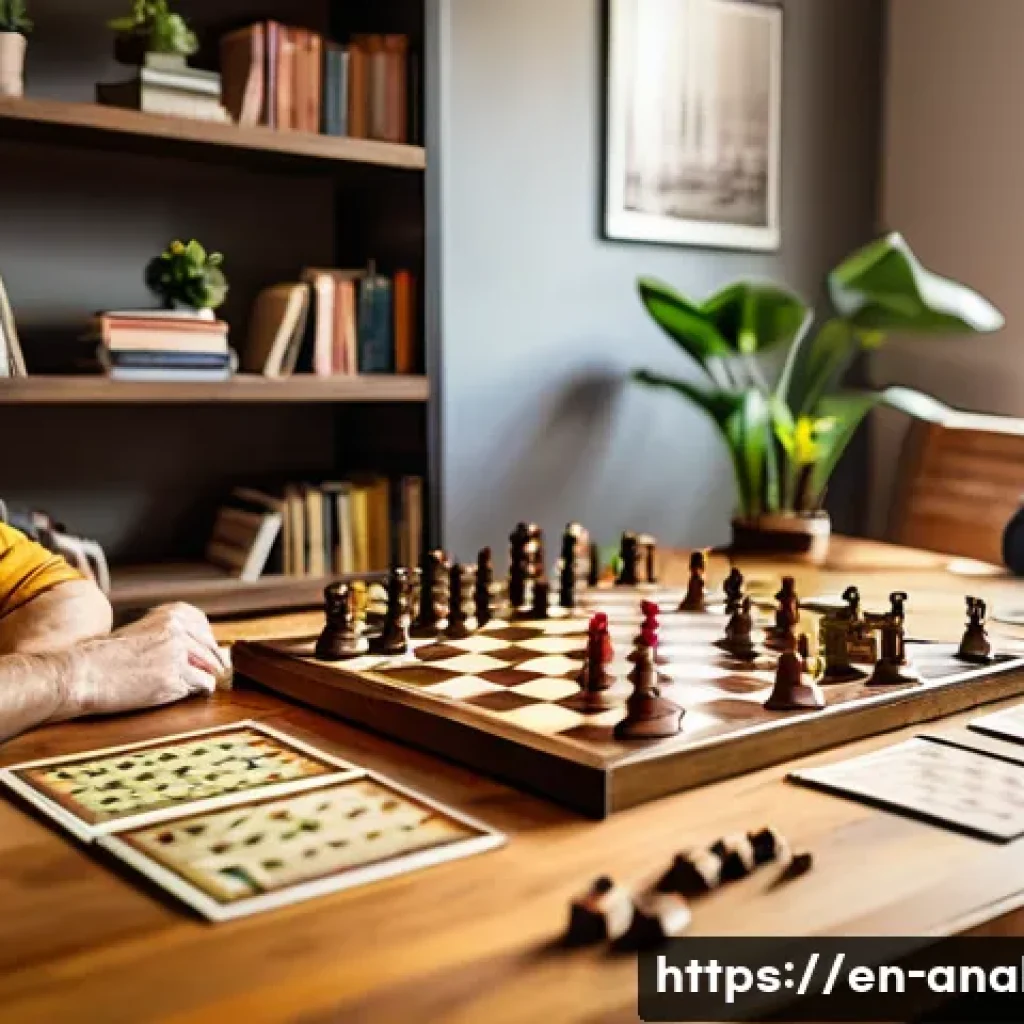
Mastering board game strategy can transform a casual game night into an exhilarating mental challenge. Whether you’re navigating complex moves in chess or balancing resource management in Settlers of Catan, understanding key tactics can give you a winning edge.
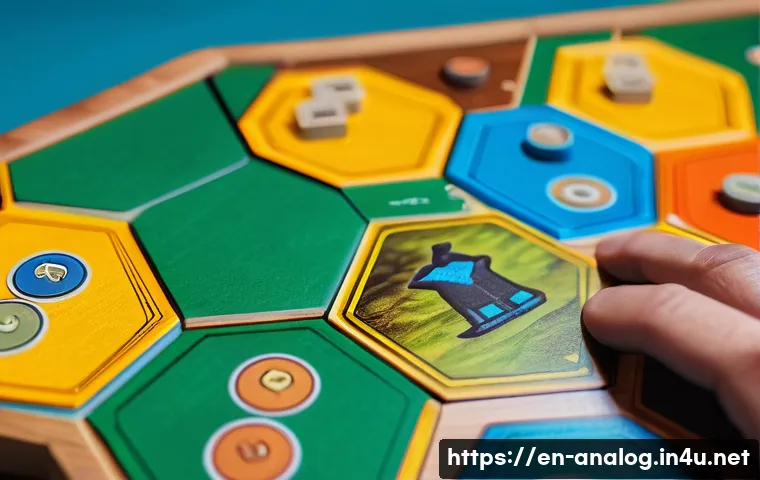
It’s not just about luck; strategic thinking sharpens your decision-making and keeps your opponents on their toes. Over time, I’ve found that diving deep into game mechanics and anticipating others’ moves makes each session more rewarding.
If you want to elevate your gameplay and truly dominate the board, the insights ahead will guide you through proven strategies and clever tips. Let’s explore these winning tactics in detail!
Unlocking the Power of Positional Awareness
Reading the Board Like a Pro
Developing a keen sense of positional awareness can totally change how you approach any board game. When I first started playing strategic games, I often focused solely on my immediate moves, neglecting the bigger picture.
Over time, I realized that scanning the entire board for potential threats and opportunities is crucial. For example, in chess, it’s not just about capturing a piece but controlling key squares that limit your opponent’s options.
Similarly, in games like Risk or Carcassonne, positioning your pieces or tiles to influence future turns often determines the outcome more than single moves.
This panoramic view helps you anticipate threats before they become problems and seize openings your opponents might overlook.
Balancing Offense and Defense
Striking the right balance between aggressive moves and solid defense is an art. If you push too hard without securing your position, you leave yourself vulnerable to counterattacks.
On the other hand, being overly cautious might let your opponents slowly take control. Personally, I like to start with a slightly defensive stance, gauging my opponent’s tendencies before committing to riskier plays.
This way, I can adapt quickly based on how the game evolves. For instance, in Settlers of Catan, securing resource-rich areas early on while keeping an eye on opponents’ expansions helps me build a strong foundation without overextending.
Anticipating Opponents’ Plans
One of the most satisfying aspects of board gaming is predicting what your opponent will do next and staying one step ahead. I’ve noticed that players who consistently win tend to think beyond their own moves, imagining the entire flow of the game several turns ahead.
This involves recognizing patterns in your opponents’ playstyles and adjusting your strategy accordingly. For example, if someone tends to hoard cards in a game like Ticket to Ride, you might block critical routes to slow them down.
This predictive mindset not only improves your gameplay but also keeps the experience dynamic and mentally engaging.
Crafting Resourceful Game Plans
Maximizing Resource Efficiency
Resource management is at the heart of many strategy games, and mastering it can give you a huge edge. Early on, I used to focus on accumulating as many resources as possible without a clear plan, which often left me stuck later in the game.
Now, I prioritize acquiring resources that align closely with my intended strategy. For example, in Catan, I aim for a balanced mix of brick and wood early to build roads, while securing wheat and ore for settlements and cities later.
This methodical approach helps me maintain flexibility and avoid bottlenecks that can stall progress.
Timing Your Investments
Knowing when to invest your resources or hold back is a skill that separates good players from great ones. I’ve found that rushing to build or trade can sometimes backfire if the timing isn’t right.
For instance, in games like Agricola or Terraforming Mars, waiting for the perfect moment to play a card or upgrade can exponentially increase your advantage.
It’s about patience and understanding the flow of the game. Sometimes, saving up for a big move rather than multiple smaller ones can catch your opponents off guard and shift momentum in your favor.
Adapting Strategies on the Fly
No game ever unfolds exactly as planned, and the ability to pivot when circumstances change is invaluable. I remember one intense game of Pandemic where my carefully laid plan collapsed due to unexpected outbreaks.
Instead of panicking, I quickly reassessed the board and shifted focus to containment and cooperation with teammates. This adaptability allowed us to pull off a win despite the setbacks.
In solo or competitive games alike, staying flexible and revising your strategy based on new information can keep you in control and ready for surprises.
Mastering Psychological Play and Bluffing
Reading Opponent Behavior
Board games aren’t just about the moves on the board; they’re also a mental duel between players. One of the things I enjoy most is trying to read my opponents’ body language, expressions, and decision patterns to gauge their intentions.
It’s fascinating how subtle cues, like hesitation or overconfidence, can reveal hidden strategies. For example, in games like Diplomacy or Coup, where bluffing and deception are central, noticing these tells can guide you to make better calls and counterbluffs.
Using Misdirection to Your Advantage
Bluffing isn’t just for poker; it plays a huge role in many board games. I’ve learned that planting false hints or feigning weakness can mislead your opponents into making poor decisions.
This tactic works especially well in games where resource allocation or hidden roles are involved. For instance, in The Resistance, acting overly confident or uncertain at strategic moments can influence others’ suspicions and voting.
But be careful—overdoing it can backfire if your opponents catch on.
Building Trust and Alliances
In multiplayer games, forming alliances can be a powerful strategy, but it requires careful social navigation. Trust is a delicate commodity, and I’ve found that maintaining open communication while subtly advancing my own goals often leads to the best outcomes.
Whether it’s negotiating trades in Catan or coordinating moves in Risk, alliances can tilt the balance significantly. However, it’s wise to stay prepared for sudden betrayals and keep your own fallback plans ready.
Leveraging Opening Moves for Long-Term Success
Establishing a Strong Foundation
The opening phase of any board game sets the tone for what follows, and I can’t stress enough how much it influences your chances of winning. During my early gaming days, I underestimated the importance of a solid start, often scrambling to catch up later.
Now, I focus on positioning and resource acquisition in the first few turns to ensure momentum. For example, in chess, controlling the center with pawns early opens up possibilities for your pieces, while in games like 7 Wonders, drafting the right cards early shapes your entire strategy.

Setting Traps and Creating Pressure
Early moves aren’t just about defense; they can also be used to create pressure and force your opponents into uncomfortable positions. I enjoy setting subtle traps that lure opponents into making mistakes.
In Ticket to Ride, for example, claiming a critical route early can block others’ plans and force them into longer, riskier paths. This proactive approach keeps your opponents reactive and can disrupt their strategies before they fully develop.
Evaluating Risk vs. Reward
Opening moves often involve calculated risks, and weighing these can be tricky. From my experience, it’s important to evaluate the potential payoff against the likelihood of failure.
Taking a bold move might yield a strong advantage, but if it leaves you exposed, it could cost you dearly. I usually try to identify “safe bets” that provide steady benefits while keeping risk manageable, gradually escalating risk only when the situation demands it.
This measured approach reduces costly blunders early on.
Optimizing Endgame Tactics for Victory
Recognizing Winning Conditions
Knowing exactly what you need to clinch the win is essential as the game nears its end. I’ve noticed many players get caught up in minor skirmishes or distractions, losing sight of the main objective.
Whether it’s reaching a certain point threshold, controlling specific territories, or completing secret missions, keeping your eye on these targets helps you prioritize moves effectively.
In games like Azul, focusing on completing high-value patterns rather than random placements can make all the difference.
Executing Precision Moves
Endgame scenarios demand careful, precise moves rather than broad strategies. I’ve found that slow, deliberate planning and avoiding impulsive decisions often pay off.
For example, in chess, a single misstep in the endgame can cost you the match, so I tend to double-check every possible consequence before moving. This mindset applies to many games—precision, patience, and careful calculation can turn a close game into a clear win.
Managing Time and Pressure
As the clock winds down or the board fills up, pressure can mount, causing mistakes. I like to stay calm and focused, treating each move as an opportunity rather than a gamble.
Practicing under timed conditions has helped me improve my composure and decision speed. In timed games like Blokus or competitive Scrabble, managing your mental stamina and avoiding rushed moves can greatly improve your chances.
Staying cool under pressure is often the secret weapon in tight endgames.
Comparing Common Strategic Approaches Across Popular Games
Understanding Aggressive vs. Defensive Styles
Different games and players favor various approaches, and knowing when to shift between aggressive and defensive styles can keep you unpredictable. Aggressive play might involve rapid expansion or frequent attacks, while defensive play focuses on consolidation and protection.
I often switch styles mid-game depending on the board state and opponent behavior, which keeps others guessing and adapts to the evolving challenge.
Capitalizing on Opportunistic Play
Sometimes the best strategy is to seize unexpected opportunities rather than sticking rigidly to a plan. I’ve learned to stay flexible and capitalize on opponents’ mistakes or lucky breaks.
This opportunism can turn the tide, especially in games like Monopoly or Risk, where sudden trades or battles can open new pathways to victory.
Building Synergies Between Moves
A well-crafted strategy is like a chain reaction—each move supporting the next. I try to create synergies by combining actions that amplify each other’s effects.
For example, in Terraforming Mars, playing cards that boost each other’s benefits creates exponential growth. This approach requires thinking several steps ahead and recognizing how different elements of the game interact.
| Strategic Focus | Example Games | Key Benefits | Common Pitfalls |
|---|---|---|---|
| Positional Awareness | Chess, Carcassonne | Better board control, anticipation | Overlooking long-term threats |
| Resource Management | Settlers of Catan, Agricola | Efficient growth, flexibility | Poor timing, resource bottlenecks |
| Psychological Play | Diplomacy, The Resistance | Deception, influence | Overbluffing, loss of trust |
| Opening Moves | 7 Wonders, Ticket to Ride | Strong foundation, early pressure | Rushed moves, exposure |
| Endgame Tactics | Chess, Azul | Precision, calm under pressure | Impulsive errors, loss of focus |
| Strategic Styles | Risk, Monopoly | Flexibility, unpredictability | Sticking to one style rigidly |
In Conclusion
Mastering board game strategies goes beyond just knowing the rules—it’s about developing awareness, managing resources wisely, and staying psychologically sharp. From opening moves to endgame tactics, every decision shapes your path to victory. With practice and patience, you can elevate your gameplay and enjoy deeper, more rewarding experiences.
Useful Tips to Remember
1. Always scan the entire board to anticipate threats and spot opportunities before making your move.
2. Balance offense and defense carefully to maintain control without exposing yourself unnecessarily.
3. Observe your opponents’ habits closely to predict their strategies and adapt accordingly.
4. Manage your resources with clear goals in mind, avoiding waste and bottlenecks.
5. Stay flexible—be ready to pivot your plans when unexpected changes arise during the game.
Key Takeaways for Better Gameplay
Develop a broad view of the game to improve decision-making and anticipate opponents’ moves effectively. Prioritize timing and resource allocation to build a strong foundation and maintain momentum. Use psychological insights to influence gameplay without overcommitting to bluffing. Start with solid opening moves that create pressure and set traps, and finish with precise, calm tactics to secure your win. Lastly, remain adaptable and mix strategic styles to stay unpredictable and capitalize on every opportunity.
Frequently Asked Questions (FAQ) 📖
Q: How can I improve my strategic thinking in board games like chess or Settlers of Catan?
A: Improving strategic thinking starts with understanding the core mechanics of the game you’re playing. For chess, this means learning common opening moves and recognizing patterns in your opponent’s playstyle.
In Settlers of Catan, focusing on resource management and trading smartly can shift the balance in your favor. From my experience, actively anticipating your opponent’s next move and adjusting your strategy on the fly makes a huge difference.
Practice consistently, review your games to spot mistakes, and don’t shy away from studying tutorials or strategy guides—this combination will sharpen your decision-making over time.
Q: Is luck a significant factor in board games, or does strategy outweigh it?
A: While luck can influence some moments—like dice rolls or card draws—strategy usually holds more weight in determining the winner. For example, in games like Settlers of Catan, luck affects initial resource availability, but how you manage and trade those resources is what ultimately leads to victory.
Chess, on the other hand, has no luck factor at all, making pure strategy essential. I’ve noticed that players who rely solely on luck often falter in the long run, whereas those who develop a solid strategic foundation consistently outperform others, regardless of the random elements involved.
Q: What’s the best way to stay focused and not get overwhelmed by complex board game strategies?
A: Staying focused amid complex strategies can be challenging, especially when multiple variables are at play. My go-to approach is breaking down the game into smaller, manageable parts—like concentrating on one phase of the game at a time or focusing on a specific objective rather than trying to control everything at once.
Taking brief pauses during the game to reassess your position and possible moves helps clear your mind. Also, playing with friends who encourage discussion and sharing strategies can make the learning process less stressful and more enjoyable.
Remember, mastering strategy is a gradual journey, so patience and steady practice are key.