Remember that incredible feeling when you unearthed an old Walkman or a vintage stereo from the attic, only to discover it had seen better days? Or perhaps you’re like me, always on the hunt for those forgotten gems at thrift stores, knowing they just need a little love to sing again.
It’s a sentiment I completely understand, because there’s something truly magical about bringing these analog treasures back to life in our increasingly digital world.
We’re not just repairing a device; we’re preserving history, reconnecting with nostalgia, and making a powerful statement against our throwaway culture.
I’ve personally spent countless weekends meticulously coaxing sound back into a dusty old receiver or getting the reels spinning on a classic tape deck.
The satisfaction, I promise you, is absolutely immense when you finally hear that warm, authentic audio or see those familiar lights glow once more. This isn’t just a niche hobby anymore; it’s a booming trend, with more and more people discovering the enduring charm and superior build quality of yesteryear’s electronics.
You might think it’s a daunting task, filled with complex wiring diagrams and obscure components, but trust me, it’s often more accessible and rewarding than you’d imagine.
Let’s explore exactly how you can join this fantastic movement and restore some incredible pieces of the past.
It’s a sentiment I completely understand, because there’s something truly magical about bringing these analog treasures back to life in our increasingly digital world.
Assembling Your Analog Arsenal: Essential Tools for Restoration
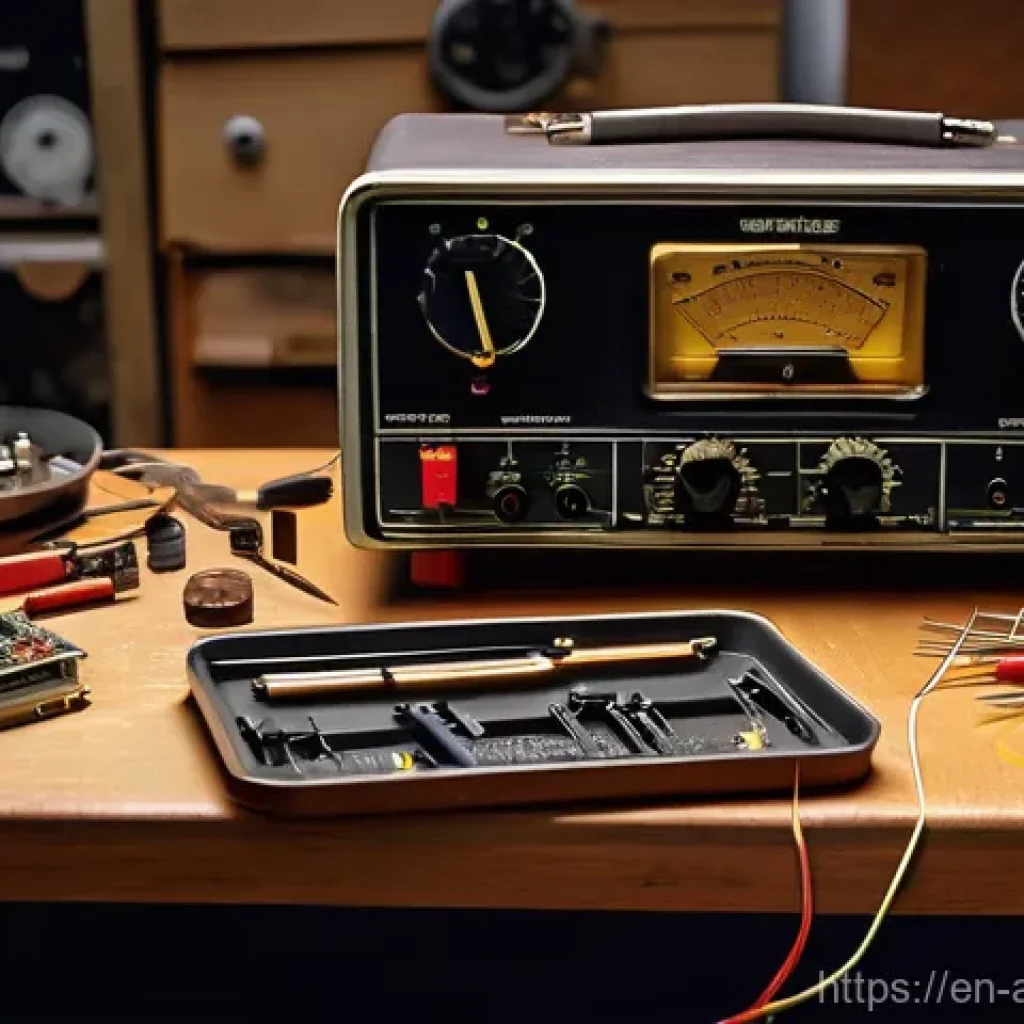
Diving into the world of vintage electronics repair might seem intimidating at first, conjuring images of intricate circuit boards and specialized equipment that costs a fortune. But let me tell you, that’s simply not the case, especially when you’re just starting out. I remember my first project – a beautiful but silent 70s Marantz receiver – and all I really had was a basic screwdriver set and a multimeter my dad lent me. The key isn’t to buy out an electronics store, but to invest in a few fundamental tools that will cover a vast majority of common repairs. Think about a good soldering iron, nothing fancy, just a reliable one with temperature control. It’s absolutely crucial for capacitor replacements and fixing cold solder joints. Then there’s the trusty multimeter, your eyes and ears for diagnosing electrical issues. You’ll be surprised how often a simple continuity check can pinpoint a problem that seemed utterly complex. Beyond that, a set of precision screwdrivers, some small pliers, and a decent pair of wire cutters will get you through most mechanical tasks. Don’t forget safety gear, like safety glasses and proper ventilation for soldering. Building your toolkit is a journey, not a sprint, and you’ll naturally add more specialized items as your confidence and projects grow. It’s about empowering yourself with the right foundation.
Starting Strong: Your First Core Tools
When I advise friends who are curious about this hobby, I always tell them to prioritize. You absolutely need a good quality digital multimeter – it’s invaluable for checking voltage, resistance, and continuity, which are the bread and butter of diagnostics. Next, a soldering iron. For beginners, a 25-40 watt iron with a fine tip is usually perfect for most vintage audio components. Don’t cheap out too much here, as a consistently heated iron makes all the difference in achieving clean solder joints. And while it might sound obvious, a variety of small screwdrivers (Phillips and flathead) and some needle-nose pliers are indispensable for disassembling and reassembling tight spaces. Having a dedicated workstation, even if it’s just a clear spot on your kitchen table, can make a huge difference in staying organized and focused.
Beyond the Basics: Growing Your Workbench
As you gain experience, you’ll naturally find yourself wanting a few more specialized items. For instance, a desoldering pump or braided wick is a game-changer for removing old components cleanly. I can’t tell you how many times a good desoldering tool has saved me from damaging a PCB! An adjustable power supply is another fantastic addition, allowing you to safely test circuits at controlled voltages. And, if you’re getting serious about audio, an oscilloscope can be incredibly helpful for analyzing waveforms, though it’s definitely an advanced tool. Remember, you don’t need these right away; your journey can start with just a few key pieces and expand organically.
Troubleshooting Tales: Deciphering What Ails Your Analog Gear
You’ve got your tools, you’re excited, and now you’re face-to-face with a vintage amplifier that refuses to power on, or a tape deck that spins but makes no sound. This is where the detective work begins, and honestly, for me, it’s one of the most satisfying parts of the whole process. Over the years, I’ve learned that most vintage electronics suffer from a relatively common set of issues, and developing a systematic approach to troubleshooting can save you immense frustration. My usual starting point is always the power supply. Is it getting power? Is the fuse blown? A simple multimeter check can often answer these questions quickly. Then I move to visual inspection – look for bulging capacitors, burnt resistors, or anything that just looks ‘off’. I remember one time, a beautiful old turntable just wouldn’t spin. After hours of head-scratching, it turned out to be a tiny, almost invisible tear in the drive belt. Sometimes, the simplest things are the easiest to overlook. It’s all about patience, observation, and a little logical deduction. Don’t be afraid to take notes as you go; documenting what you’ve checked and what you’ve found is a lifesaver, especially on complex projects. You’d be amazed how a fresh pair of eyes the next day, armed with your notes, can spot something you missed.
The Power Conundrum: Diagnosing Power Issues
When an old piece of gear is completely dead, my first instinct is always the power section. Check the power cord for damage, then the fuse. Fuses are designed to be the weakest link, protecting the rest of the circuit, so a blown fuse is often a symptom, not the root cause, but replacing it is step one. If a new fuse blows immediately, you likely have a short somewhere, which is a whole other level of investigation. I also use my multimeter to check for voltage at various points in the power supply, following the circuit diagram if I have one. Sometimes, simply reflowing solder joints on the power supply board can bring a dead unit back to life – I’ve seen it happen more often than you’d think!
Listening for Clues: Audio-Specific Troubleshooting
For audio equipment, sound-related issues provide their own set of clues. If you have distortion, humming, or no sound at all, the problem could be anywhere from bad input jacks to failing amplifier components. Capacitors are often the culprits here, especially in older units, as they dry out over time, leading to poor filtering and signal degradation. I’ve had fantastic success tracking down hums by methodically replacing electrolytic capacitors in the power supply section. Speaker protection relays can also get sticky or fail, preventing sound from reaching the outputs. It’s a process of elimination, often starting with the most common and easiest-to-test components.
Here’s a quick overview of some common vintage electronics issues and their usual suspects:
| Issue | Common Causes | Typical Fixes |
|---|---|---|
| No Power | Blown fuse, bad power cord, failed power switch, faulty transformer, rectifier issues | Replace fuse, cord, switch; inspect power supply board; test transformer |
| No Sound (Audio) | Bad capacitors, dirty/faulty switches/pots, failing output transistors, sticky speaker relay, cold solder joints, open signal path | Recap (replace capacitors), clean controls, test/replace transistors, clean/replace relay, reflow solder |
| Distortion/Humming | Aging electrolytic capacitors, ground loop, faulty wiring, improper voltage regulation, leaky transistors | Recap power supply, check grounding, inspect wiring, replace problematic components |
| Mechanical Failure (e.g., Turntable not spinning, Tape Deck not playing) | Broken/stretched belts, seized motor, dried lubricants, faulty idler wheels, broken gears | Replace belts/idler wheels, lubricate moving parts, rebuild/replace motor, repair gears |
| Intermittent Operation | Cold solder joints, dirty switches/pots, loose connections, heat-related component failure | Reflow solder, clean controls, secure connections, identify and replace heat-sensitive parts |
Polishing the Past: The Art of Cosmetic Restoration
Once you’ve got your vintage gem singing again, the next step, and one that gives immense satisfaction, is making it look as good as it sounds. Cosmetic restoration isn’t just about aesthetics; it’s about honoring the craftsmanship of the original piece and protecting it for years to come. I’ve salvaged countless units from looking like dusty relics to showroom pieces, and it often starts with nothing more than a gentle touch and the right cleaning agents. Forget harsh chemicals; they can do more harm than good to delicate plastics, wood veneers, and painted surfaces. My go-to arsenal includes isopropyl alcohol (for electronics contacts and stubborn grime), a mild dish soap solution for general cleaning, and some specialized plastic polishes for display panels. For wooden cases, a good quality furniture oil or polish can bring out an incredible luster you didn’t even know was there. The trick is to be patient and work in small sections. I remember spending an entire afternoon meticulously cleaning the tiny crevices of an old receiver’s faceplate, and the transformation was absolutely jaw-dropping. It’s about careful attention to detail, preserving originality where possible, and making that vintage glow truly shine. Sometimes, all a piece needs is a little bit of tender loving care to remind everyone of its former glory.
Gentle Cleansing: Bringing Back the Shine
When it comes to cleaning, think “less is more.” A soft brush and a vacuum cleaner can remove decades of dust from internal components without any liquid. For the exterior, a microfiber cloth dampened with a mild soap solution works wonders on most metal and plastic surfaces. For really stubborn grime on faceplates, isopropyl alcohol (99% pure) on a cotton swab is fantastic for safely removing residue from knobs and buttons without damaging lettering. Always test any cleaning solution on an inconspicuous area first, especially with painted surfaces or delicate plastics. I’ve learned this the hard way!
Restoring Wooden Cases and Metal Finishes
Wooden cases on vintage receivers and turntables often show their age the most. For these, I’ll gently clean them with a wood cleaner, then apply a good quality wood oil or furniture polish. Minor scratches can sometimes be buffed out or minimized with wood repair pens. For brushed aluminum faceplates, a very mild abrasive polish (like those for car paint) can carefully remove light scratches and bring back that factory sheen, but this requires an incredibly light touch. Chrome parts can be polished with chrome cleaner. The goal here isn’t to make it look brand new if that means erasing its history, but to restore its dignified appearance.
The Heart of the Machine: Replacing Key Components
After you’ve diagnosed the problem and given your vintage gear a good clean, you’ll often find yourself needing to replace some internal components. This is where the real magic happens, as you’re literally breathing new life into the device. From my experience, the most common culprits are electrolytic capacitors, which simply dry out and lose their capacitance over time, leading to hums, distorted audio, or complete failure. Replacing these, often called “recapping,” can dramatically improve sound quality and extend the life of your unit. It’s a process I’ve done countless times, and each time, hearing that improved clarity makes all the effort worthwhile. Then there are other mechanical parts: drive belts in cassette decks or turntables that have stretched or turned into gooey messes, and lamps that have burned out. These aren’t usually complex repairs, but they require precision and the right replacement parts. Finding original parts can be a challenge, but thankfully, modern equivalents are often superior and readily available. The feeling of removing a bulging, leaky capacitor and replacing it with a fresh, modern one, knowing you’ve just added another decade or two to your beloved amplifier’s life, is incredibly rewarding. This isn’t just swapping parts; it’s an act of preservation, ensuring these magnificent machines continue to delight us.
The Ubiquitous Capacitor: A Fresh Start for Your Sound
If you’re delving into vintage audio repair, you’ll become very familiar with capacitors. They’re everywhere, and they’re usually the first components to degrade. Learning to identify them (electrolytic, ceramic, film) and understanding their values is fundamental. When I recap a unit, I’m not just replacing; I’m often upgrading with higher quality, longer-lasting components, which means even better performance than when it was new. It’s a meticulous process, desoldering the old and carefully soldering in the new, paying close attention to polarity.
Mechanical Maladies: Belts, Lamps, and Switches
Beyond capacitors, mechanical components are frequent points of failure. Drive belts in turntables, cassette decks, and 8-track players degrade into slack or sticky goo, preventing movement. Swapping these out can be fiddly, especially in tight spaces, but it’s a straightforward repair once you get the hang of it. Indicator lamps and dial lights also burn out, and replacing them with new incandescent bulbs or even modern LEDs (with appropriate resistors) can dramatically brighten up a dark faceplate, giving it that vibrant vintage glow again. Cleaning and lubricating switches and potentiometers (the ‘pots’ that control volume and tone) can also resolve scratchy sounds and intermittent connections. I’ve found that a good contact cleaner like DeoxIT is indispensable for these parts.
Precision Perfected: Calibration and Fine-Tuning Your Restored Gear
Once you’ve replaced components and cleaned everything up, you might think you’re done. But for true audiophiles and enthusiasts, the journey continues with calibration and fine-tuning. This is where you transform a working unit into a truly exceptional one. Many vintage pieces, especially amplifiers and tape decks, require specific adjustments to perform at their peak, just as they did when they left the factory floor. I remember restoring an old Nakamichi cassette deck – it played tapes, but something felt off. After hours of careful adjustment using test tapes and a frequency counter, calibrating the playback head azimuth, bias, and playback levels, the sound quality absolutely soared. It went from good to mind-blowing, revealing details I hadn’t heard before. It’s not always necessary for every piece, but for those that benefit, the difference is night and day. This often involves referring to service manuals, which can be found online, and using specialized test equipment, though some adjustments can be made by ear for less critical parameters. The goal here is to optimize performance, ensuring accurate sound reproduction and proper operation across all functions. It’s the final flourish, the artisan’s touch that separates a mere repair from a true restoration. Trust me, putting in this extra effort will elevate your listening experience to a whole new level.
Setting the Stages: Amplifier Biasing and Offset
For amplifiers, two crucial adjustments are often bias and DC offset. Bias ensures the output transistors operate in their optimal linear range, reducing distortion, while DC offset minimizes DC voltage at the speaker terminals, which protects your speakers and improves sound clarity. These adjustments require a multimeter and careful hands, often with the amplifier powered on and connected to dummy loads. I recall the first time I accurately set the bias on a particularly warm-sounding amplifier; the improvement in depth and definition was immediately noticeable. It’s a delicate balance, but one that is incredibly rewarding to achieve.
The Tape Deck Tango: Azimuth, Bias, and Speed Calibration
Tape decks are notoriously finicky and often require the most extensive calibration. Azimuth (the alignment of the playback head with the tape’s magnetic path), playback level, recording bias, and tape speed all need to be precisely set. This usually involves specialized test tapes and sometimes an oscilloscope. I’ve spent countless hours with a tiny screwdriver, making minuscule adjustments to get that perfect stereo image and frequency response. It can be frustrating, but when you hear a perfectly reproduced tape from a deck you’ve calibrated yourself, it’s pure bliss.
Beyond the Bench: Displaying and Enjoying Your Rescued Relics
So, you’ve poured your heart and soul into bringing a vintage piece back to life. You’ve replaced components, polished the exterior, and meticulously calibrated it. Now what? This is the best part: integrating your restored treasure into your living space and truly enjoying the fruits of your labor! For me, a beautifully restored vintage receiver isn’t just an audio component; it’s a statement piece, a conversation starter, and a link to a bygone era of quality craftsmanship. Don’t hide it away! Showcase it prominently. Many people, myself included, love to pair their vintage audio with modern speakers or integrate an analog setup alongside their digital streaming services. The warmth and depth of sound that vintage gear often provides is a beautiful contrast to the sometimes sterile sound of purely digital systems. I’ve found that placing a restored turntable or receiver on a dedicated stand, perhaps with some mood lighting, truly enhances the experience. It becomes more than just a device; it becomes part of your home’s character, reflecting a curated taste and an appreciation for enduring quality. Share your passion with friends and family, let them hear the difference, and you’ll often inspire others to appreciate these magnificent machines.
Curating Your Analog Corner
Think about how your restored piece fits into your home décor. Vintage electronics often have a beautiful, industrial aesthetic that pairs well with minimalist or even eclectic styles. Consider dedicated shelving or a credenza to house your receiver, turntable, or tape deck. Good cable management is key to keeping things tidy and visually appealing – no one wants to see a spaghetti mess of wires detracting from your beautiful gear! I like to use vintage-inspired accessories, like a classic record storage crate or an old-school desk lamp, to complete the look of my analog corner.
Bridging the Eras: Vintage Meets Modern
One of the coolest things you can do is integrate your vintage gear with modern technology. For example, I often connect a Bluetooth receiver to my vintage amplifier’s auxiliary input, allowing me to stream music wirelessly while still enjoying that warm, analog sound. Or, you can connect your turntable to a modern soundbar or active speakers through a pre-amp if your vintage receiver isn’t quite powerful enough. There are countless ways to blend the old with the new, giving you the best of both worlds – the convenience of modern tech with the unparalleled character of vintage audio.
The Thrill of the Hunt: Finding Your Next Analog Project
Once you’ve experienced the immense satisfaction of restoring one piece, you’ll inevitably find yourself eyeing the next project. Trust me, it’s an addictive hobby! But where do you find these forgotten gems? Over the years, I’ve developed a sixth sense for spotting potential. My absolute favorite hunting grounds are local thrift stores and charity shops. You wouldn’t believe what people donate! I once found a perfectly working, albeit dusty, 1970s Pioneer SX-780 receiver for a steal – it just needed a good clean and some new lights. Flea markets and garage sales are also fantastic sources, especially in more rural areas where vintage electronics might not be as picked over. The key here is to go early and be prepared to haggle a little. Online marketplaces like eBay and local classifieds (think Craigslist or Facebook Marketplace) are also goldmines, but you need to be savvy. Always ask for detailed photos and descriptions, and don’t be afraid to ask specific questions about functionality. I’ve even had success at local electronics repair shops; sometimes they have units deemed “unrepairable” that just need a specific part or a simple fix. The thrill of finding that diamond in the rough, that piece of history waiting for your loving touch, is half the fun of this entire hobby. Happy hunting, and may your next discovery be a truly magnificent one!
Thrifting for Treasures: Your Local Haunts
Don’t underestimate your local Goodwill or Salvation Army! People often clear out attics and basements, and you can stumble upon incredible vintage audio equipment for pennies on the dollar. The trick is to visit frequently and at different times, as inventory changes constantly. I always bring a small flashlight to check for obvious signs of damage or missing parts, and sometimes a cheap earbud/aux cable to quickly test if a unit powers on and makes any sound (if they allow it). Garage sales, particularly estate sales, can also yield fantastic finds, as entire collections are often liquidated.
Online Explorations: Navigating Digital Marketplaces
While local finds are often the best value, online platforms like eBay remain a huge resource. When buying online, focus on listings with clear photos from multiple angles, and thoroughly read the description for any mention of functionality or defects. Don’t be afraid to message sellers with specific questions about the unit’s condition, especially about known common issues for that model. “As-is” listings can be great for parts or advanced repairs if you know what you’re doing, but for your first few projects, look for items described as “working” or “tested,” even if they have cosmetic flaws. Facebook Marketplace is also gaining popularity for local pickups, saving on shipping costs and allowing you to inspect the item in person before buying.
Wrapping Things Up
And there you have it, folks! Our journey through the fascinating world of vintage electronics restoration. I truly hope this guide has demystified the process and ignited that spark of curiosity within you. It’s an incredibly rewarding endeavor, not just for the beautiful sound or aesthetic you reclaim, but for the profound connection you forge with technology from a different era. Every restored piece tells a story, and you become a part of that narrative, a guardian of its legacy. So, grab a screwdriver, a multimeter, and let the adventure begin. You’ll be amazed at what you can achieve and the joy you’ll find in bringing these magnificent relics back to their former glory. It’s more than a hobby; it’s a passion, a statement, and a whole lot of fun!
Handy Tips to Keep in Mind
1. Always prioritize safety! Before you even think about opening up an old piece of gear, unplug it completely. Even after unplugging, some capacitors can hold a dangerous charge, so it’s crucial to know how to safely discharge them. Your well-being is paramount, and a moment of carelessness isn’t worth it.
2. Don’t be afraid to start small. A simple repair like replacing a few burned-out bulbs or meticulously cleaning dusty controls can give you immense confidence for tackling more complex projects down the line. Build your skills gradually, one successful fix at a time, and remember to celebrate every victory, no matter how minor.
3. Service manuals are your absolute best friend. Seriously! Finding the original service manual for your specific model can provide invaluable circuit diagrams, detailed calibration procedures, and precise parts lists. A quick online search often yields fantastic results, sometimes even free downloads from enthusiast communities.
4. Invest in quality components. While it might be tempting to save a few pennies, using good quality capacitors, resistors, and other replacement parts will ensure your restoration truly lasts. It genuinely makes a significant difference in both the performance and long-term reliability of your beloved vintage gear.
5. Document everything! Make it a habit to take photos before disassembly, during every stage of repairs, and after the project is complete. Keep detailed notes of what you did, what parts you replaced, and any measurements you took. This isn’t just for complex projects; it’s a lifesaver if you ever need to revisit a repair or simply want to remember your journey.
What Matters Most
At its core, vintage electronics restoration is about more than just fixing broken things; it’s about connecting with history, preserving exquisite craftsmanship, and experiencing audio (or video) in a wonderfully unique way that modern technology often can’t quite replicate. The entire journey, from the initial “thrill of the hunt” for that forgotten gem to the meticulous cleaning, careful component replacement, and precise final calibration, is deeply satisfying on so many levels. You’ll learn invaluable practical skills, develop incredible patience and an eye for detail, and gain a profound appreciation for the engineering marvels of yesteryear. Remember to always approach each project with a healthy dose of curiosity and a deep respect for the electrical components involved. The unmistakable warmth of analog sound, the tactile joy of physical controls, and the sheer, nostalgic coolness of a glowing vintage faceplate are all waiting for you. So, dive in, get your hands a little dirty, and prepare to be utterly captivated by the magic of bringing these timeless treasures back to vibrant life. It’s an adventure that promises not just restored electronics, but a deeply enriching and unforgettable personal experience.
Frequently Asked Questions (FAQ) 📖
Q: “What’s the absolute best way for a complete beginner, someone like me who’s never even held a soldering iron, to jump into vintage electronics restoration without getting totally overwhelmed?”
A: Oh, I totally get that feeling! When I first started, the idea of opening up up a circuit board felt like trying to decipher an alien language. My absolute go-to strategy for beginners, and one I wish someone had told me sooner, is to start super small and simple.
Don’t dive headfirst into restoring a complex 1970s receiver. Instead, look for something straightforward – maybe a vintage clock radio, an old tabletop fan, or even a classic portable cassette player.
Often, these just need a good cleaning, a new belt, or a capacitor replacement here and there. YouTube tutorials are your best friend here; seriously, the amount of free, step-by-step guidance from experienced restorers is incredible.
I’ve spent countless hours learning from them. Grab a basic toolkit – a decent screwdriver set, some contact cleaner, maybe a basic multimeter, and if you’re brave, a cheap soldering iron.
The real magic happens when you complete that first simple repair. The sense of accomplishment is just exhilarating, and it builds your confidence exponentially for the next, slightly more challenging project.
It’s a journey, not a race, and every small win is a huge step forward.
Q: “Where do you actually find these incredible vintage pieces? I’m picturing dusty attics and flea markets, but are there more reliable spots to unearth some real treasures?”
A: You’re absolutely right to picture those classic spots! Dusty attics and forgotten corners of garage sales are definitely where I’ve stumbled upon some of my most cherished finds.
But if you want to be a bit more strategic, there are a few places I always hit up. Thrift stores, like Goodwill or Salvation Army, are goldmines. You have to go often and be patient, but I’ve snagged amazing record players and amplifiers for mere dollars.
Estate sales are another fantastic avenue – people are often clearing out decades of belongings, and they just want things gone, so you can find some serious bargains.
Don’t overlook online marketplaces either! Sites like eBay, Facebook Marketplace, and even local classifieds can be incredible, especially if you know exactly what you’re looking for.
Just be sure to ask for lots of photos and clear descriptions. And here’s a pro tip: tell your friends and family you’re into restoring vintage electronics.
You’d be surprised how many people have something gathering dust in their basement they’d be thrilled to give away to a good home!
Q: “Is restoring vintage electronics actually worth the time and effort, especially when you can just buy something new and shiny? What’s the real payoff?”
A: Oh, this is a question I get all the time, and it hits right at the heart of why I love this hobby so much! On the surface, it might seem easier to just grab something new.
But let me tell you, the payoff for restoring vintage gear goes way beyond just having a working device. First, there’s the unparalleled build quality.
Modern electronics often feel disposable, but many vintage pieces were engineered to last, with robust components and meticulous craftsmanship that you just don’t see anymore.
Then there’s the sound – that warm, rich, authentic audio from a vintage amplifier or turntable is something truly special that many audiophiles swear by.
But for me, the biggest rewards are personal. It’s the immense satisfaction of troubleshooting a problem and bringing something back to life with your own hands.
It’s preserving a piece of history and contributing to a more sustainable lifestyle by giving something old a second chance. And honestly, the cool factor?
Off the charts! When friends come over and see a beautifully restored vintage stereo playing, it’s always a conversation starter. It’s not just a device; it’s a story, a project, and a statement.
Absolutely worth every single moment, I promise you.